
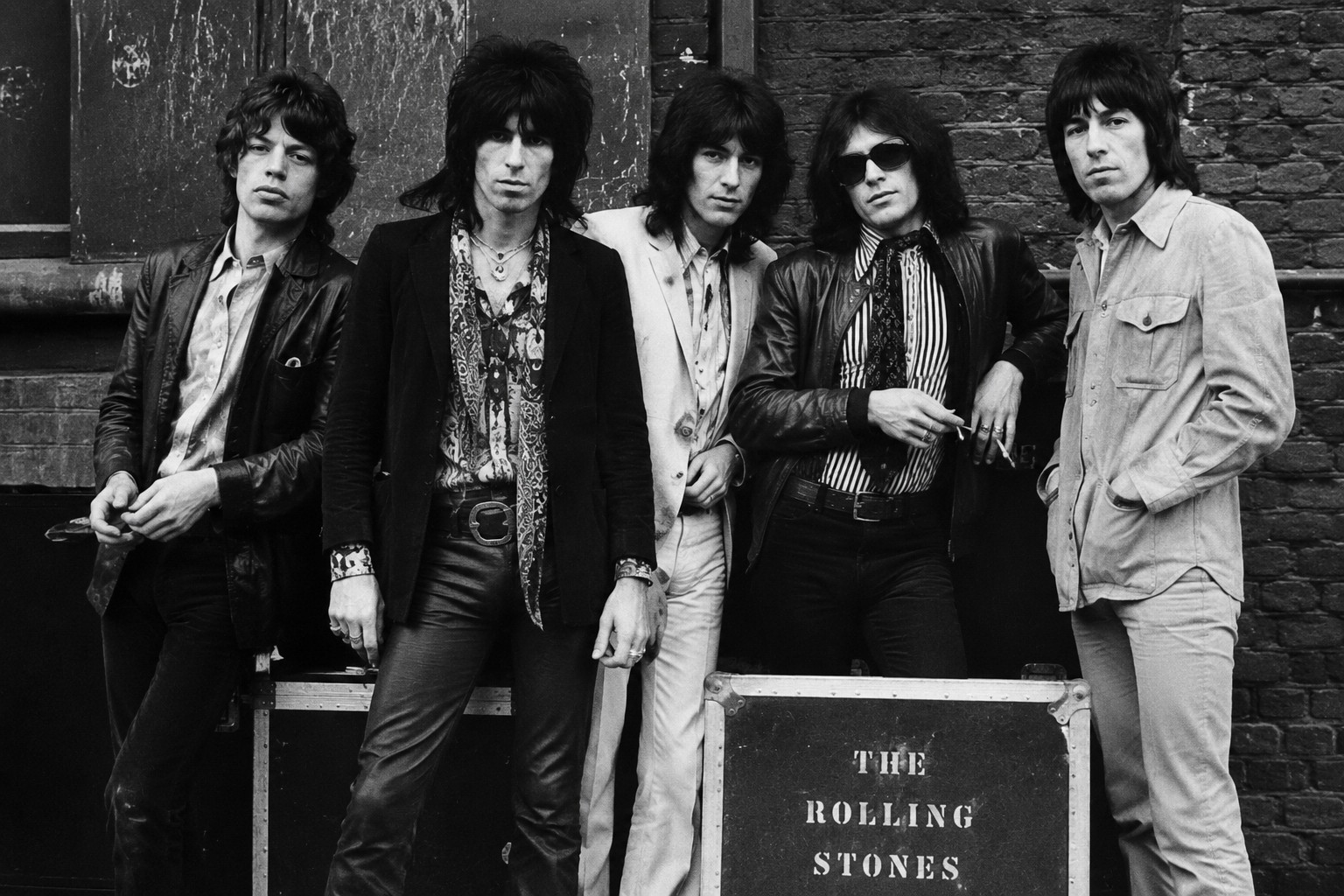
On this day in 1972, British rock group The Rolling Stones released the landmark double album Exile on Main St., a record that would later be widely regarded as one of the most influential albums in rock history. Blending blues, gospel, country, soul and hard rock into a raw and often chaotic soundscape, the album captured both the creative peak and turbulent lifestyle of one of Britain’s most iconic bands.
Recorded largely in the south of France during a period of tax exile from the United Kingdom, Exile on Main St. emerged from an unconventional and fragmented production process. Much of the album was recorded in the basement of Villa Nellcôte, a mansion rented by guitarist Keith Richards on the French Riviera.
The recording sessions became legendary for their unpredictability, late-night atmosphere and loose creative structure. Yet despite the disorder surrounding the production, the album ultimately produced some of the most celebrated songs in the Rolling Stones’ catalogue, including “Tumbling Dice”, “Rocks Off”, “Happy” and “Shine a Light”.

A turning point in rock music
At the time of its release, critical reaction to Exile on Main St. was mixed. Some reviewers viewed the sprawling double album as messy and overly dense compared to the more polished studio records dominating popular music in the early 1970s.
Over time, however, the album underwent a major critical reassessment. Music historians and critics increasingly praised its authenticity, musical depth and genre-blending approach. Today, it is frequently ranked among the greatest albums ever recorded and is often cited as the definitive Rolling Stones release.
The record reflected the band’s deep roots in American blues and rhythm-and-blues traditions while simultaneously helping shape the future direction of rock music. Its rough production style and layered instrumentation later influenced generations of alternative, punk and classic rock artists.
The Stones at their creative peak
By 1972, the Rolling Stones had already established themselves as one of the world’s leading rock bands, competing directly with The Beatles in terms of cultural impact and global popularity during the previous decade.
The lineup behind Exile on Main St. included vocalist Mick Jagger, Keith Richards, drummer Charlie Watts, bassist Bill Wyman and guitarist Mick Taylor.
The album also reflected a period of intense personal and professional pressure for the band, involving financial difficulties, legal concerns and growing excess associated with the global rock lifestyle of the era.
Despite these challenges, the Rolling Stones would continue building one of the longest-lasting careers in modern music history, remaining active performers more than five decades after the album’s release.
A lasting cultural influence
More than fifty years later, Exile on Main St. remains a defining cultural reference point in rock music. Its stripped-down sound, emotional intensity and refusal to conform to commercial expectations helped establish the album as a symbol of artistic freedom and creative endurance.
The record’s influence continues to extend far beyond classic rock audiences, shaping musicians across genres ranging from indie rock and Americana to alternative and blues revival movements.
For many fans and critics alike, Exile on Main St. represents not only the Rolling Stones at their most ambitious, but also one of the clearest examples of how imperfection and spontaneity can produce enduring artistic greatness.
Newshub Editorial in Europe – May 11, 2026

If you have an account with ChatGPT you get deeper explanations,
background and context related to what you are reading.
Open an account:
Open an account
Recent Comments