
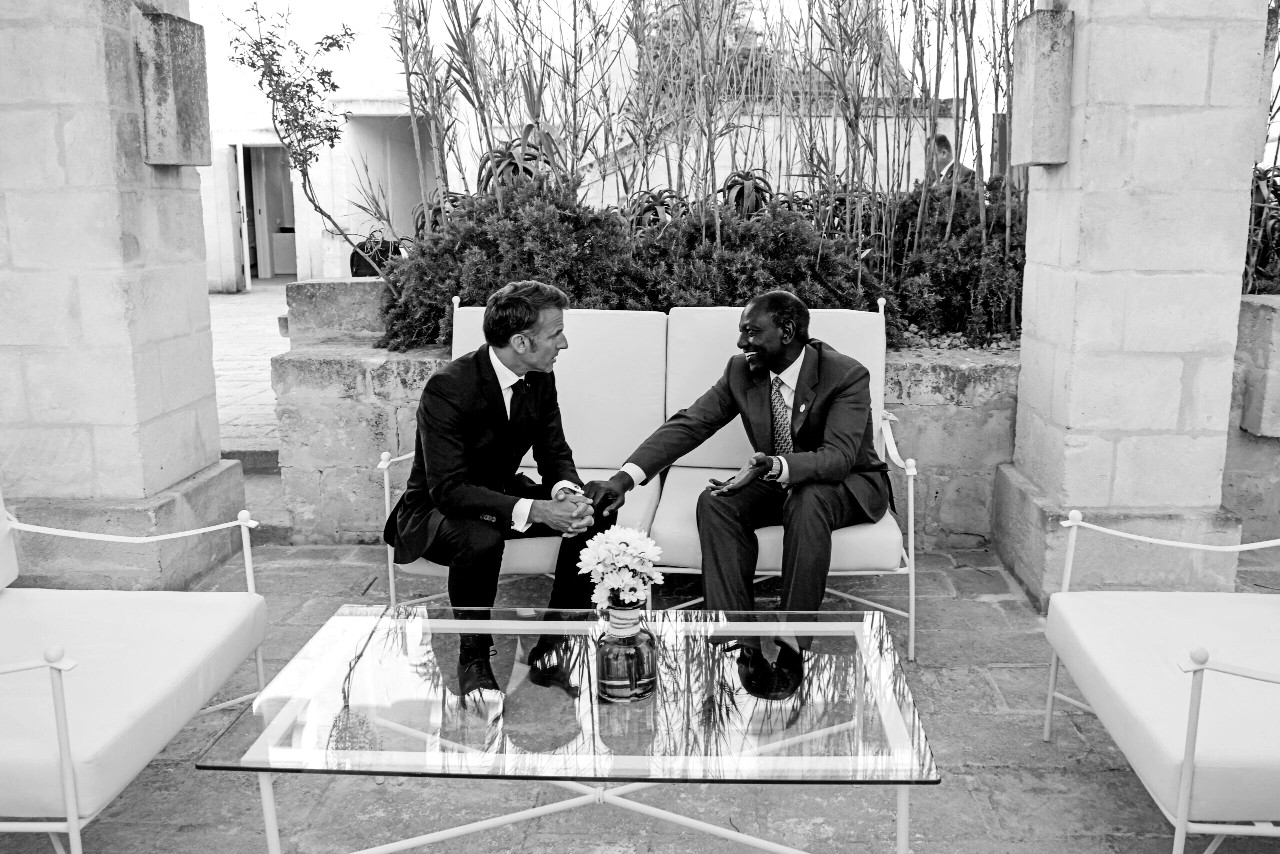
The upcoming Africa-France Summit is being closely watched by governments, investors, and businesses seeking clearer signals about the future relationship between France and the African continent. At a time when geopolitical competition, energy security, and economic transformation are reshaping global partnerships, the summit offers an opportunity to measure whether France and African nations are prepared to deepen investment ties and redefine their economic relationship for a new era.
The relationship between France and many African countries has undergone significant change in recent years. Political tensions, military withdrawals, and growing criticism of France’s historical influence have altered diplomatic dynamics across parts of West and Central Africa.
At the same time, Africa has become increasingly important in global economic competition. The continent’s population growth, urbanisation, natural resources, and expanding digital economy have attracted growing interest from countries including China, Turkey, India, the United Arab Emirates, and the United States.

Against this backdrop, the Africa-France Summit carries both economic and symbolic importance.
Investment and infrastructure at the centre
One of the summit’s key areas will be investment. African governments continue seeking financing and partnerships for infrastructure, manufacturing, renewable energy, logistics, telecommunications, and agriculture.
France remains a major investor in several African economies through banking, energy, retail, transport, and industrial sectors. However, competition has intensified as African countries diversify their international partnerships.
The summit is expected to focus heavily on how French and African businesses can expand cooperation beyond traditional sectors and into technology, fintech, healthcare, green energy, and industrial development.
For many African leaders, the priority is no longer aid dependency but long-term investment that supports employment, local production, and economic sovereignty.
A changing geopolitical environment
The meeting also takes place during a broader geopolitical shift. France’s military influence in parts of Africa has declined sharply in recent years following troop withdrawals and diplomatic disputes in countries including Mali, Burkina Faso, and Niger.
At the same time, African governments are increasingly pursuing more balanced foreign policies, seeking relationships based on economic interests rather than historical alliances.
This has forced France to reconsider how it engages with African partners.
Analysts say the summit could provide insight into whether Paris is prepared to adapt to a more competitive and multipolar environment where African governments expect equal partnerships and greater local benefits from foreign investment.
Business confidence and emerging sectors
Private-sector cooperation is likely to play a central role during the summit discussions. French companies continue viewing Africa as an important long-term growth market, particularly in sectors linked to infrastructure, transport, energy transition, digital payments, and consumer services.
Meanwhile, African entrepreneurs are increasingly demanding better access to financing, technology transfer, and European markets.
Fintech, mobile banking, and renewable energy are expected to receive particular attention as Africa’s digital economy continues expanding rapidly across major urban centres.
The summit may also influence investor confidence by signalling political stability, regulatory cooperation, and future economic priorities between African nations and European partners.
More than diplomacy
Ultimately, the Africa-France Summit is about more than diplomatic symbolism. It reflects a broader question about how Europe and Africa will cooperate in a century increasingly shaped by demographics, energy demand, migration, technology, and economic competition.
For France, the challenge is maintaining relevance in a continent where influence can no longer be assumed. For African nations, the opportunity lies in using international competition to secure better investment terms, stronger infrastructure, and long-term economic growth.
Newshub Editorial in Africa – May 6, 2026

If you have an account with ChatGPT you get deeper explanations,
background and context related to what you are reading.
Open an account:
Open an account
Recent Comments