
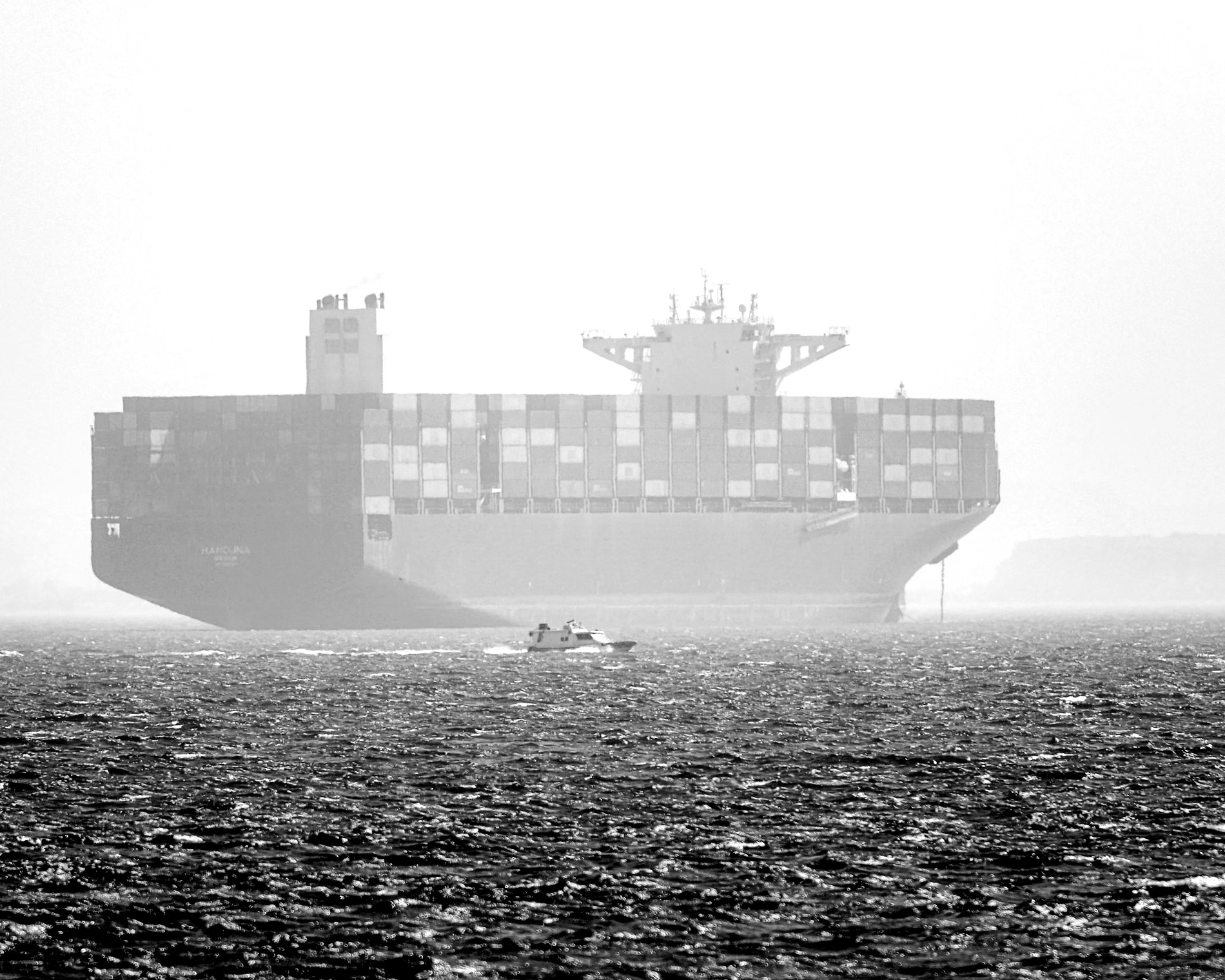
US President Donald Trump has announced a temporary pause to “Project Freedom”, the American military operation designed to guide commercial vessels through the blocked Strait of Hormuz, saying Washington hopes to finalise a broader agreement with Iran. The move comes amid continued tensions in the Gulf, where maritime traffic remains heavily disrupted despite ongoing diplomatic contacts.
Trump said the operation would be suspended “for a short period” while negotiations continue, though he stressed that the wider US blockade against Iranian ports would remain fully in force.
The announcement marks a significant shift only days after the United States launched Project Freedom, an operation involving warships, aircraft, and military escorts aimed at reopening one of the world’s most strategically important shipping routes.

Hormuz remains central to global energy markets
The Strait of Hormuz remains one of the most critical chokepoints in the global economy. Roughly a fifth of the world’s oil supply normally passes through the narrow waterway connecting the Persian Gulf to international shipping lanes.
Since the escalation of tensions between Washington and Tehran earlier this year, Iran has effectively restricted shipping access through military threats, missile deployments, drones, and naval activity. The United States responded with naval operations and a blockade targeting Iranian maritime trade.
Hundreds of commercial vessels remain stranded or delayed in the region, contributing to volatility in oil, shipping, and insurance markets worldwide.
The White House described Project Freedom as a defensive and humanitarian effort designed to help neutral commercial vessels exit the region safely. However, the operation quickly heightened military tensions after exchanges of fire between US and Iranian forces earlier this week.
Diplomatic pressure intensifies
Trump said the pause followed requests from Pakistan and other countries involved in diplomatic efforts aimed at preventing further escalation. The US president also claimed “great progress” had been made toward a possible final agreement with Iranian representatives.
Iran has not formally confirmed any agreement discussions, though indirect communication channels reportedly remain active through regional mediators.
Senior US officials, including Secretary of State Marco Rubio and Defence Secretary Pete Hegseth, have insisted that the ceasefire environment remains fragile and that the United States retains the capability to restart operations if necessary.
Markets and shipping industry remain cautious
Shipping companies and energy markets reacted cautiously to the announcement. Oil traders continue monitoring whether Iran will eventually reopen the strait fully or whether renewed military confrontation could follow.
Analysts noted that even a temporary stabilisation could ease pressure on global fuel prices and maritime insurance costs. However, uncertainty remains high due to the fragile nature of negotiations and the strategic importance of the Gulf region.
The latest developments underline how rapidly geopolitical tensions in the Middle East can impact global trade, inflation, and energy security far beyond the region itself.
Newshub Editorial in North America – May 6, 2026

If you have an account with ChatGPT you get deeper explanations,
background and context related to what you are reading.
Open an account:
Open an account
Recent Comments