
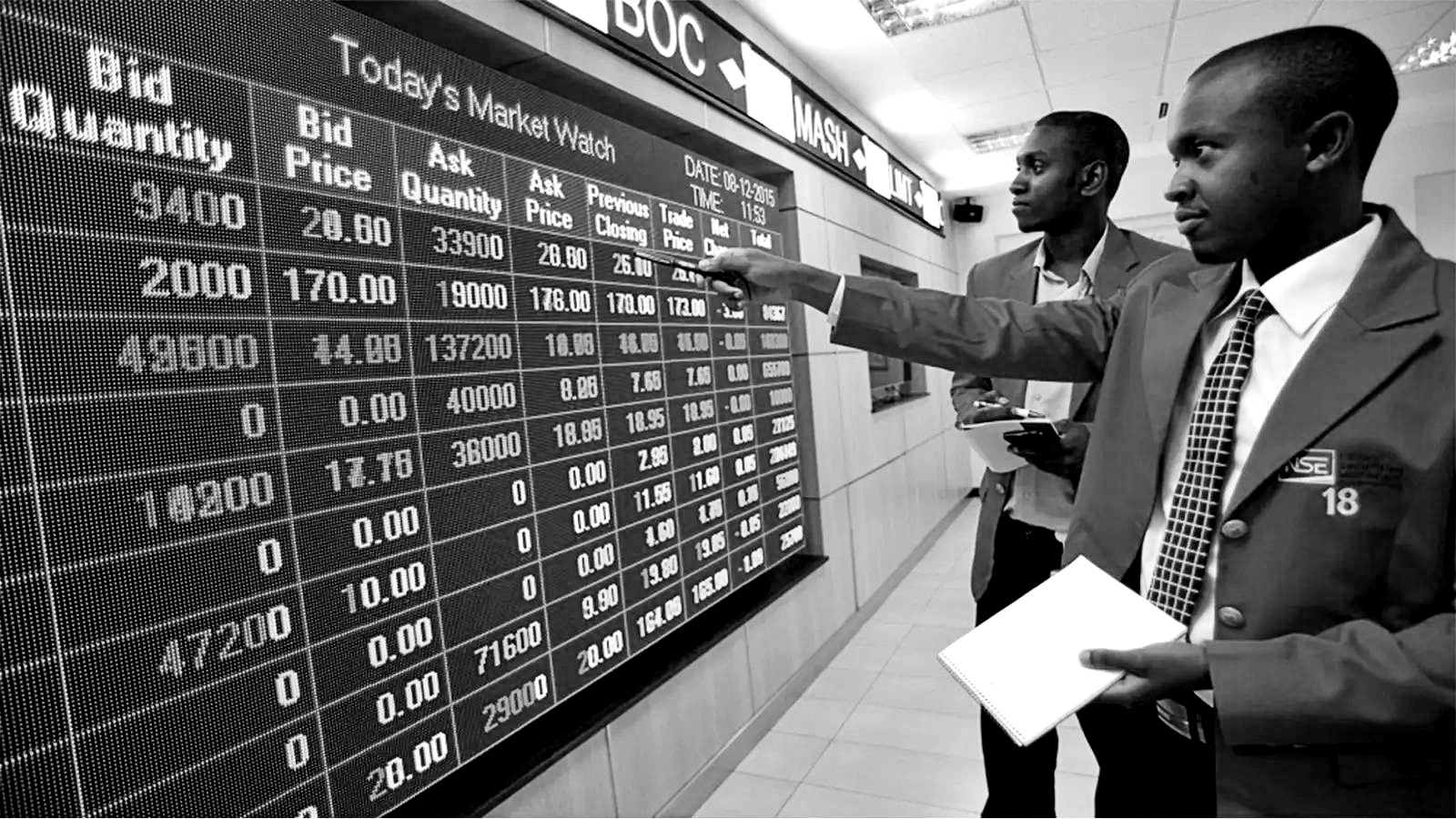
Major African markets opened Monday with cautious optimism as investors across the continent reacted to commodity movements, currency stability, and global economic signals. Banking, mining, telecommunications, and energy-related stocks were among the most actively traded sectors during early activity, while regional exchanges reflected differing economic pressures and growth expectations.
South Africa’s Johannesburg Stock Exchange opened mixed, with mining and resource companies attracting attention following renewed volatility in global commodity markets. Gold and platinum producers remained active as investors monitored international demand, inflation concerns, and currency movements.
Financial stocks in Johannesburg traded cautiously as investors continued evaluating South Africa’s domestic economic challenges, including electricity infrastructure pressures, logistics bottlenecks, and slower consumer growth. However, stronger commodity exports and improving external demand continue providing support for parts of the economy.

The South African rand remained relatively stable during early trading, helping moderate immediate concerns surrounding inflation and imported costs.
Nigeria and Kenya focus on banking and digital growth
Nigeria’s markets opened firmer, supported primarily by banking and telecommunications shares. Investors continue focusing on the country’s long-term demographic growth, expanding digital economy, and financial-sector reforms despite ongoing inflationary pressures and currency volatility.
Fintech and mobile-payment related companies remained central themes in Lagos trading as Nigeria continues strengthening its position as one of Africa’s largest digital finance markets.
Meanwhile, Kenya’s Nairobi Securities Exchange opened with moderate gains as banking, agriculture, and infrastructure-linked stocks attracted early buying interest. Kenya’s growing technology ecosystem and regional logistics role continue supporting investor confidence despite global uncertainty.
East African markets remain heavily influenced by trade flows, infrastructure development, and rising digital adoption across mobile banking and e-commerce platforms.
Egypt monitors economic pressures
Egypt’s stock market opened cautiously as investors assessed inflation conditions, currency management, and broader regional economic risks. Banking and industrial shares remained active, while tourism-related companies continued benefiting from gradually improving visitor activity.
However, rising import costs and external financing pressures continue creating challenges for the Egyptian economy. Investors are closely monitoring government reforms, international lending agreements, and infrastructure spending initiatives.
North African markets remain sensitive to global energy pricing and geopolitical developments affecting regional trade and tourism flows.
Commodities remain critical across the continent
Commodity trends continue playing a major role across African exchanges. Oil, gold, copper, cobalt, and agricultural exports remain key sources of government revenue and foreign exchange for many economies.
Countries linked to mining and energy production benefited from relatively stable global demand expectations during early Monday trading, although investors remain cautious regarding global growth conditions and potential supply-chain disruptions.
At the same time, Africa’s rapidly growing population, expanding smartphone penetration, and increasing urbanisation continue supporting long-term investor interest in financial services, telecommunications, logistics, and infrastructure sectors.
Analysts noted that despite short-term volatility, many African markets continue attracting attention due to strong demographic trends and the continent’s expanding role in global commodity and digital-growth supply chains.
Newshub Editorial in Africa – May 4, 2026

If you have an account with ChatGPT you get deeper explanations,
background and context related to what you are reading.
Open an account:
Open an account
Recent Comments