
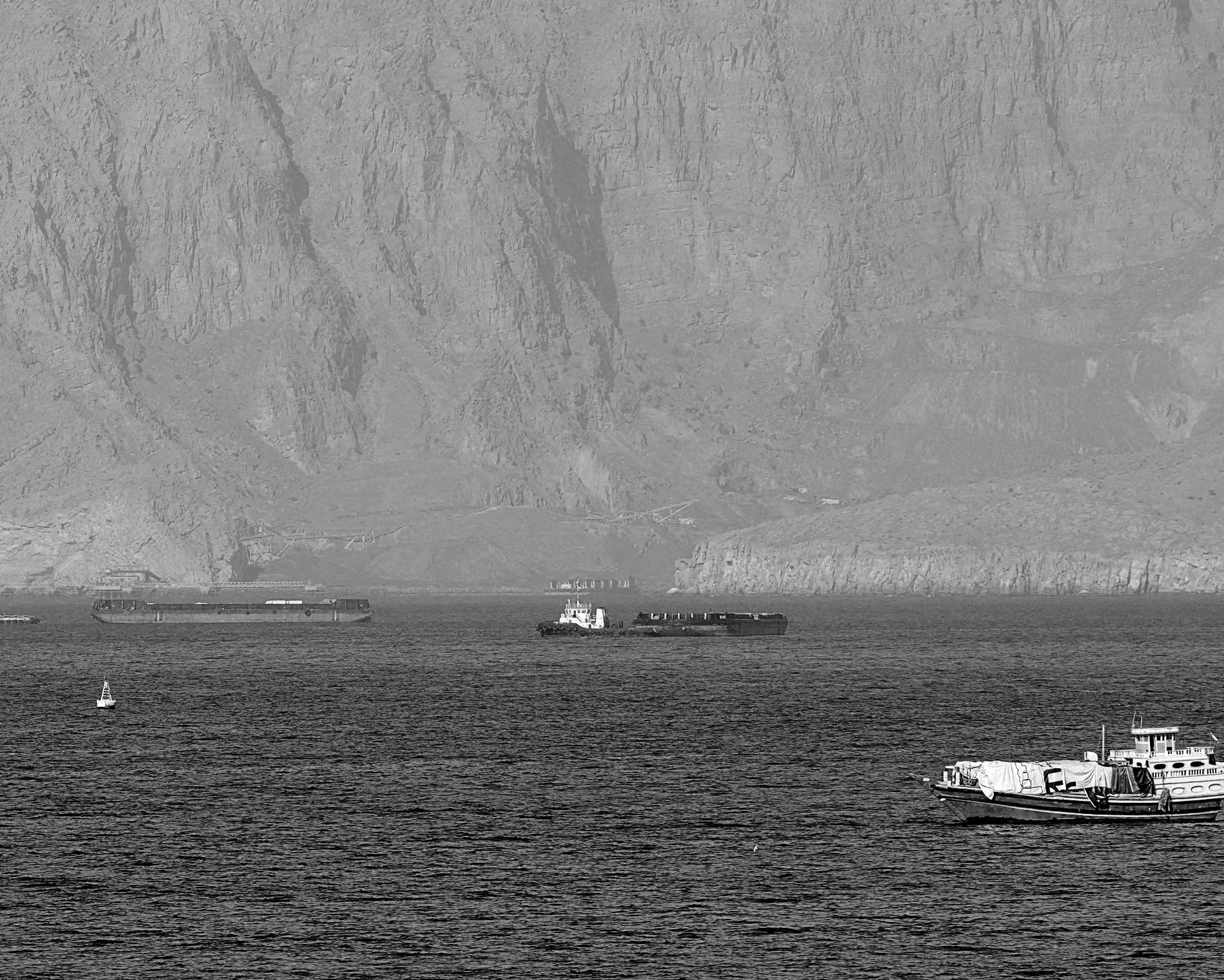
Iran has warned that it will attack American forces entering the Strait of Hormuz after US President Donald Trump announced that the United States would help “guide” stranded commercial ships through the strategically critical waterway. The escalation has sharply increased tensions in the Gulf and renewed fears of wider military confrontation affecting global energy markets and international shipping.
The warning came after Trump unveiled what US officials have described as a maritime support operation aimed at assisting commercial vessels trapped in the Strait of Hormuz following months of conflict and disruption linked to the ongoing Iran crisis.
Iranian military officials responded by stating that any foreign military presence entering the strait without coordination with Tehran would be considered a direct threat. According to statements reported by regional and international media, Iran warned that American naval forces would face a “harsh response” if they attempted to operate inside the strategic corridor.

A critical global energy chokepoint
The Strait of Hormuz remains one of the world’s most important maritime trade routes, with roughly one-fifth of global oil shipments traditionally passing through the narrow waterway connecting the Persian Gulf to international markets. Disruptions in the region have already contributed to higher oil prices, shipping delays, and increased insurance costs for commercial vessels.
Hundreds of ships and thousands of seafarers are reportedly stranded or operating under severe restrictions as tensions continue escalating. Maritime security agencies have raised threat levels in the area following recent projectile attacks against commercial tankers and warnings about possible naval mines.
Trump described the proposed US operation, referred to by officials as “Project Freedom”, as a humanitarian and commercial effort intended to help neutral countries move vessels safely through the waterway. American military support reportedly includes warships, aircraft, drones, and thousands of personnel operating under US Central Command.
Oil markets and shipping industry on alert
Energy markets are closely monitoring developments in the Gulf, as prolonged disruption in Hormuz could significantly affect global oil and liquefied natural gas supplies.
Shipping operators and insurers have already reported sharply increased operational risks in the region. Some vessels have rerouted entirely, while others remain anchored awaiting military guidance or diplomatic clarification regarding safe passage conditions.
Analysts warn that any direct military confrontation between Iranian and American forces inside the Strait of Hormuz could trigger major consequences for global trade, energy prices, and financial markets.
At the same time, diplomatic negotiations remain fragile. Reports indicate that indirect discussions involving sanctions relief, ceasefire conditions, and nuclear issues are continuing through regional intermediaries, although neither side appears willing to compromise publicly.
Regional tensions remain elevated
The latest developments underline how rapidly the Gulf situation continues to evolve. Iran maintains that the security of the Strait of Hormuz falls under its control, while the United States and allied nations argue that freedom of navigation through international waterways must be protected.
With military assets now positioned close to one another in one of the world’s most sensitive maritime corridors, investors, shipping companies, and governments are preparing for continued instability throughout the region.
Newshub Editorial in Middle East – May 4, 2026

If you have an account with ChatGPT you get deeper explanations,
background and context related to what you are reading.
Open an account:
Open an account
Recent Comments