
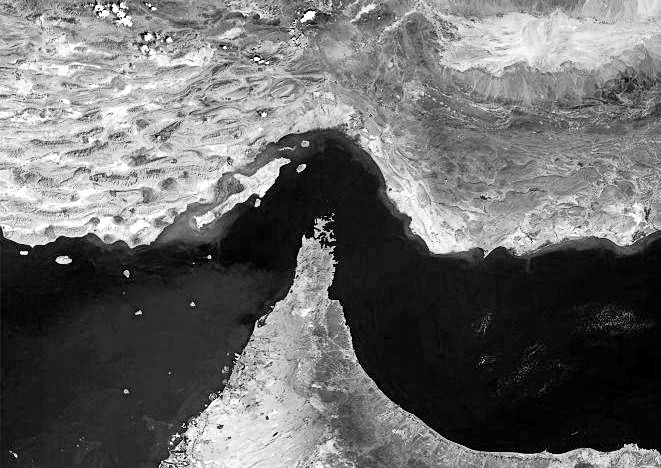
The blockade of the strategically vital Strait of Hormuz has removed an estimated 9 million barrels per day of crude oil supply from the global market, according to a new report from energy analytics firm Vortexa. The disruption is intensifying concerns over energy security, inflation and global economic stability as replacement supplies struggle to compensate for the sudden loss of exports from the Gulf region.
The Strait of Hormuz remains one of the world’s most important energy transit corridors, linking major oil producers in the Gulf to global markets. A significant portion of internationally traded crude oil normally passes through the narrow waterway each day, making any disruption immediately consequential for energy markets worldwide.
According to Vortexa’s analysis, alternative export routes and emergency supply responses have only partially offset the shortfall. While additional crude volumes are being redirected through pipelines and regional terminals, the replacement capacity remains insufficient to fully stabilise global supply.

Strategic reserves helping support exports
The report noted that crude oil exports from the US Gulf Coast have reached record levels in recent weeks. However, analysts emphasised that a substantial portion of this increase has been supported by releases from the United States Strategic Petroleum Reserve, highlighting the extraordinary measures being used to stabilise markets.
The Strategic Petroleum Reserve was designed to provide emergency energy security during severe disruptions, but continued large-scale releases raise questions about how long governments can maintain elevated export flows if tensions persist.
Additional oil volumes are also moving through alternative infrastructure routes that bypass the Strait of Hormuz. These include pipelines connected to Yanbu in Saudi Arabia, Fujairah in the United Arab Emirates and Ceyhan in Turkey. Together, these routes are estimated to restore roughly 3.6 million barrels per day back into the global system.
Nevertheless, this still leaves a substantial supply deficit compared to normal export levels from the Gulf.
Oil prices and inflation fears intensify
Energy traders and economists warn that prolonged disruptions could significantly increase global inflationary pressure. Higher oil prices directly affect transportation, manufacturing, food production and electricity generation, creating ripple effects throughout the global economy.
Several major economies remain particularly exposed due to continued dependence on imported energy. Emerging markets with weaker currencies could face especially severe economic strain as fuel import costs rise.
Shipping insurers and tanker operators have also responded cautiously to the escalating regional tensions, contributing to higher freight costs and further tightening available transport capacity.
Market volatility has increased sharply as investors attempt to assess whether the disruption represents a temporary geopolitical crisis or a longer-term structural shock to energy markets.
Global energy security under renewed pressure
The latest developments have renewed debate over global energy resilience and dependence on critical maritime chokepoints. Analysts note that the situation demonstrates the vulnerability of international supply chains to geopolitical instability in the Middle East.
Governments across Europe, Asia and North America are now closely monitoring reserve levels, shipping conditions and diplomatic developments surrounding the Gulf conflict. Some countries are reportedly considering coordinated strategic stock releases should the disruption continue.
The crisis also places additional pressure on policymakers balancing energy security, inflation control and long-term transition plans toward renewable energy systems.
For now, markets remain highly sensitive to any escalation involving Gulf shipping routes. As long as substantial crude volumes remain blocked from reaching international markets, oil traders expect volatility and upward price pressure to continue dominating the global energy landscape.
Newshub Editorial in Middle East – May 1, 2026

If you have an account with ChatGPT you get deeper explanations,
background and context related to what you are reading.
Open an account:
Open an account
Recent Comments