
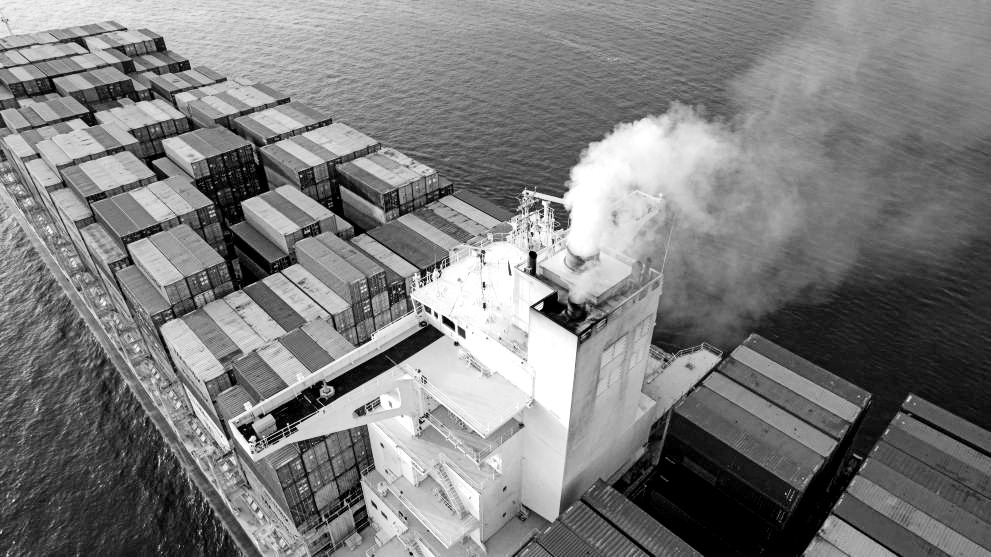
Growing pressure from liquefied natural gas interests is increasingly influencing international negotiations aimed at decarbonising the global shipping industry, according to observers and climate policy analysts monitoring talks at the International Maritime Organization. Critics argue that countries and corporations heavily invested in LNG infrastructure are attempting to slow or reshape climate measures that could threaten long-term gas demand.
The dispute centres around ongoing IMO negotiations focused on reducing greenhouse gas emissions from the global shipping sector, one of the world’s largest sources of transport-related carbon pollution.
Shipping accounts for roughly 3% of global emissions, and pressure has intensified on regulators to establish stricter fuel standards, emissions pricing systems and transition timelines toward low-carbon alternatives.

However, environmental groups and some delegates claim LNG-exporting countries and major gas industry stakeholders are lobbying aggressively to position liquefied natural gas as a long-term “transition fuel” for maritime transport.
Battle over shipping’s energy future
Supporters of LNG argue that the fuel can reduce certain emissions compared to traditional heavy fuel oil and offers a practical short-term pathway while cleaner technologies continue developing.
But critics warn that LNG remains a fossil fuel and may lock the shipping industry into decades of additional carbon dependency. Environmental organisations also point to methane leakage throughout LNG production and transport chains, arguing that the climate benefits may be significantly overstated.
Several observers involved in the negotiations say pressure within IMO discussions appears linked to countries that have invested billions of dollars in LNG export infrastructure and shipping terminals.
These investments have expanded rapidly during recent years as energy producers sought new markets for natural gas amid global transition policies affecting coal and oil demand.
Analysts believe the shipping sector has become strategically important for the gas industry because it represents one of the few remaining large-scale industrial markets capable of supporting future LNG demand growth.
Developing nations caught in the middle
The negotiations also reflect growing divisions between wealthier economies, energy exporters and developing countries dependent on maritime trade.
Some lower-income nations fear that aggressive emissions rules could increase shipping costs and damage export competitiveness, particularly for food, raw materials and manufactured goods.
At the same time, climate-vulnerable island nations and coastal states are pushing for faster action, warning that delays in reducing shipping emissions directly threaten their long-term survival through rising sea levels and extreme weather events.
Several Pacific and Caribbean countries have become increasingly vocal during IMO discussions, calling for stronger emissions targets and global carbon pricing mechanisms for maritime transport.
Environmental campaigners argue that allowing LNG to dominate transition strategies risks delaying investment in genuinely zero-emission alternatives such as green methanol, ammonia and hydrogen-based fuels.
High stakes for global trade and climate policy
The outcome of the IMO negotiations carries major implications not only for shipping companies but also for global trade, energy investment and climate policy.
Shipping remains essential to the world economy, transporting roughly 90% of internationally traded goods. Any major changes to fuel systems or emissions regulations therefore have significant economic consequences.
Industry leaders warn that uncertainty surrounding future rules is already affecting investment decisions involving ships, ports and fuel infrastructure.
Meanwhile, climate advocates argue that continued compromise risks undermining broader international efforts to limit global warming.
As negotiations continue, the debate surrounding LNG’s role in maritime decarbonisation is emerging as one of the most politically sensitive issues within global climate diplomacy.
The battle over shipping fuel may ultimately shape not only the future of maritime transport, but also the direction of the wider global energy transition.
Newshub Editorial in Europe – May 1, 2026

If you have an account with ChatGPT you get deeper explanations,
background and context related to what you are reading.
Open an account:
Open an account
Recent Comments