
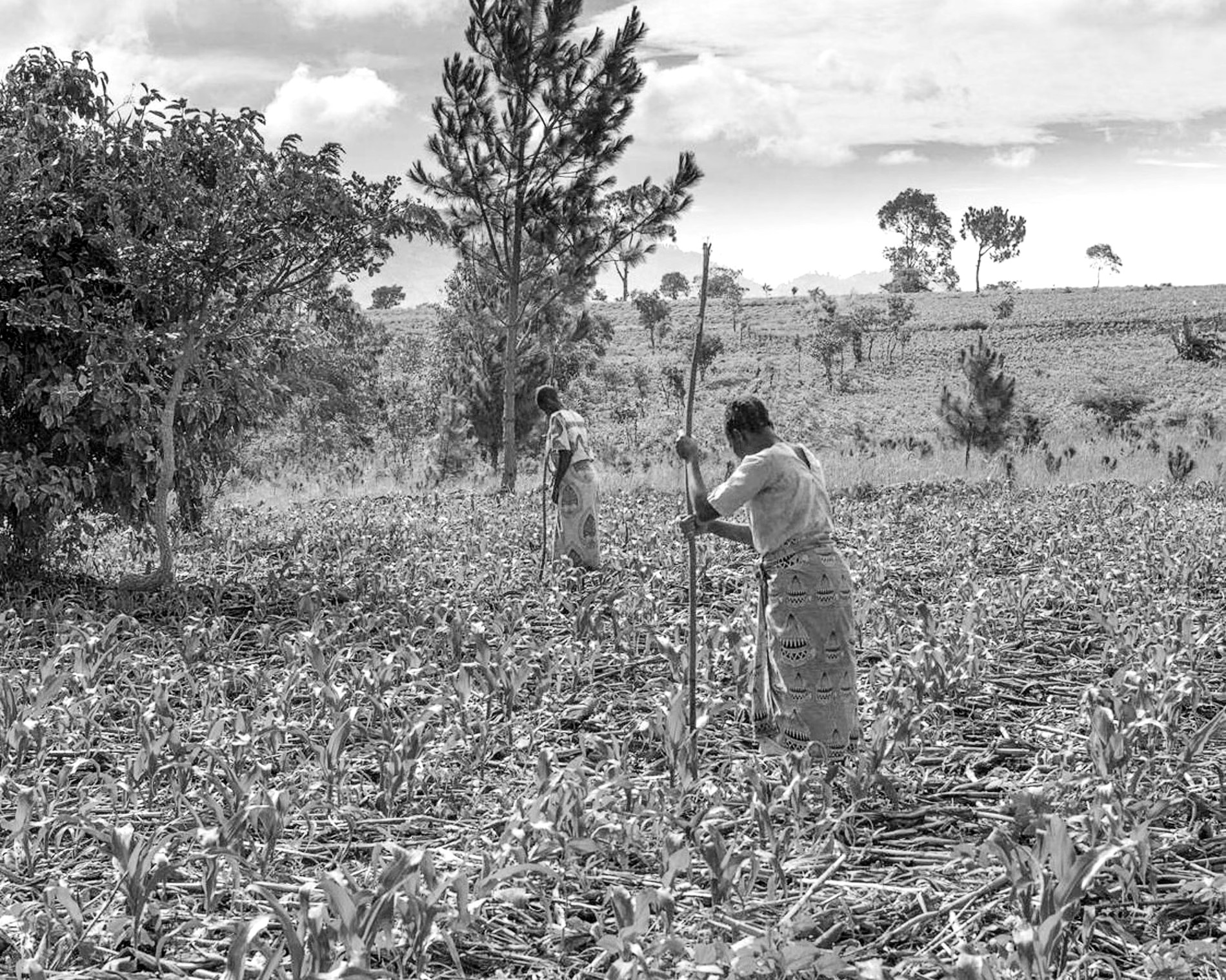
The ongoing conflict involving Iran risks triggering severe food shortages across parts of Africa as global fertiliser markets face mounting disruption, according to the chief executive of fertiliser producer Yara International. The company warned that rising geopolitical tensions could create a global scramble for agricultural supplies, leaving poorer nations unable to compete for essential imports needed to sustain food production.
Yara CEO Svein Tore Holsether said the conflict has intensified pressure on already fragile supply chains, particularly affecting fertiliser exports, energy markets and shipping routes connected to the Middle East. Fertiliser production is heavily dependent on natural gas, and escalating instability in the region has contributed to higher energy prices and increased uncertainty across global agricultural markets.
According to the company, the danger is not limited to temporary price increases. Instead, Yara fears a broader “global auction” scenario in which wealthier nations secure available supplies while lower-income countries — many already facing debt pressure and climate-related agricultural stress — are left unable to afford critical imports.

Africa highly exposed to fertiliser disruptions
Many African economies rely heavily on imported fertiliser to maintain crop yields and food production. Countries across sub-Saharan Africa remain particularly vulnerable due to limited domestic production capacity, weaker currencies and constrained government budgets.
Agricultural experts warn that reduced access to fertiliser could sharply lower harvest volumes for key staples such as maize, wheat and rice. In regions already facing inflation, drought and population growth pressures, even moderate disruptions could significantly worsen food insecurity.
The warning comes as shipping and insurance costs linked to Middle Eastern trade routes continue rising amid fears of broader regional escalation. Fertiliser traders and commodity analysts have also noted growing volatility in ammonia and urea markets, both essential components for agricultural production worldwide.
For many African governments, the situation creates a difficult balancing act between maintaining food subsidies and managing broader economic pressures linked to fuel costs, currency weakness and public debt.
Energy and fertiliser markets increasingly intertwined
The fertiliser sector remains closely linked to global energy markets because natural gas serves as a primary input for nitrogen fertiliser production. Any prolonged instability involving major energy-producing regions risks creating secondary shocks throughout the agricultural economy.
Analysts note that previous geopolitical disruptions — including the Russia-Ukraine war — demonstrated how rapidly fertiliser shortages can spread into food inflation and social instability. During earlier supply disruptions, several African nations experienced significant increases in food import bills and shortages of agricultural inputs.
Yara executives have argued that the international community must avoid repeating those patterns. The company called for coordinated efforts to maintain stable trade flows and ensure poorer countries retain access to agricultural supplies despite intensifying geopolitical competition.
Concerns grow over global inequality in supply access
The warning also highlights broader concerns about unequal access to essential commodities during periods of global crisis. Wealthier nations and large agricultural importers typically possess stronger purchasing power and strategic reserves, while smaller economies often remain dependent on spot-market pricing.
Food security organisations fear that escalating competition for fertiliser and grain supplies could deepen inequality across global agricultural markets. Several aid groups have already warned that rising costs are making humanitarian food assistance increasingly difficult to finance.
As tensions surrounding Iran continue to affect energy and commodity markets, governments and agricultural producers across Africa are closely monitoring supply availability ahead of upcoming planting seasons.
For millions of people dependent on stable crop production, the outcome may directly affect food affordability and economic stability throughout the coming year.
Newshub Editorial in Africa – May 1, 2026

If you have an account with ChatGPT you get deeper explanations,
background and context related to what you are reading.
Open an account:
Open an account
Recent Comments