
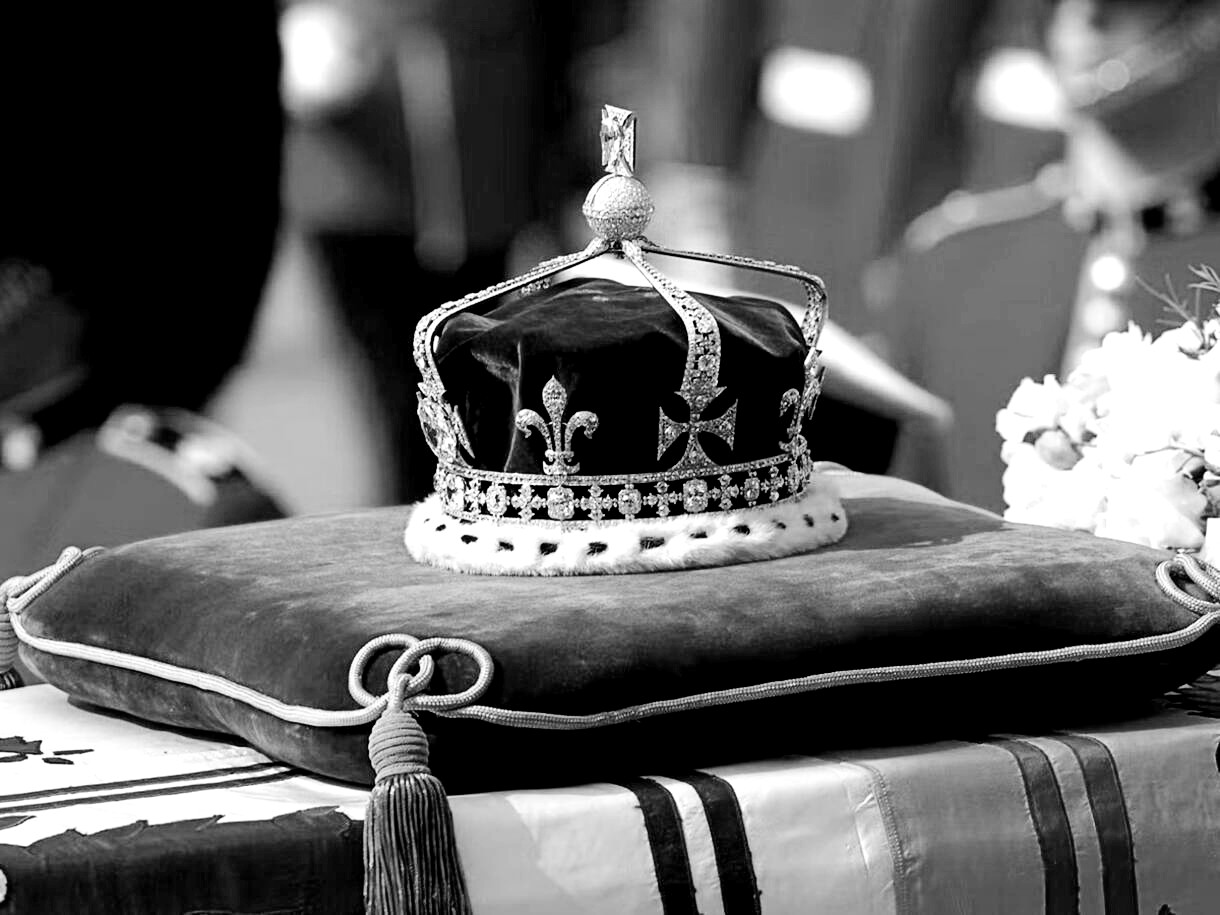
New York City Mayor Zohran Mamdani has said he would encourage King Charles III to return the Koh-i-Noor diamond to India if the two were to meet privately during the British monarch’s visit to the city. The remarks have once again placed the controversial colonial-era jewel at the centre of an international debate over historical ownership, imperial legacy and cultural restitution.
A politically sensitive royal visit
Speaking on Wednesday, Mamdani stated that the issue of the Koh-i-Noor could not be separated from broader discussions surrounding colonial history and historical accountability.
The diamond, one of the most famous gemstones in the world, became part of the British Crown Jewels in the nineteenth century after Britain annexed Punjab in 1849 during the expansion of the British Empire in India.

India has repeatedly requested the return of the Koh-i-Noor over several decades, arguing that the gemstone represents a symbol of colonial extraction and historical injustice. British governments and royal representatives, however, have consistently resisted calls for repatriation.
Mamdani said he would “encourage” King Charles to consider returning the diamond, framing the issue as part of a wider global reassessment of imperial history and cultural ownership.
The Koh-i-Noor remains highly controversial
The Koh-i-Noor, currently set within the Crown Jewels collection, has long been one of the most politically sensitive artefacts associated with Britain’s colonial past.
Beyond India, other countries including Pakistan, Afghanistan and Iran have at various times also laid claim to the diamond due to its complex historical journey through multiple empires and dynasties.
Supporters of restitution campaigns argue that colonial-era acquisitions should be re-evaluated under modern ethical standards, particularly when artefacts were obtained during conquest or unequal political circumstances.
Opponents, meanwhile, argue that returning historically disputed artefacts could create significant legal and diplomatic complications for museums, states and royal collections around the world.
Colonial legacy increasingly debated internationally
The comments from Mamdani reflect a growing willingness among younger political figures and activists to openly challenge longstanding historical narratives connected to empire and monarchy.
Debates surrounding restitution have intensified globally in recent years, with European institutions facing mounting pressure over artefacts acquired during colonial periods.
The British monarchy has increasingly encountered these questions during international visits, especially in former colonial territories and among diaspora communities in Western cities.
King Charles III has previously acknowledged the complexity and sensitivity surrounding Britain’s imperial history, though Buckingham Palace has generally avoided direct engagement with specific restitution demands involving Crown property.
Diplomatic symbolism meets modern politics
The issue illustrates how royal diplomacy now frequently intersects with contemporary political debates over identity, history and justice.
While King Charles’s US visit is officially focused on strengthening cultural and diplomatic ties, discussions surrounding the Koh-i-Noor demonstrate how historical controversies continue to shape public perceptions of monarchy in the modern era.
Analysts say such debates are unlikely to disappear, particularly as global conversations around colonialism, reparations and cultural ownership become increasingly prominent across politics, academia and international diplomacy.
For Britain, the Koh-i-Noor remains more than a jewel. It has become one of the most enduring symbols of the unresolved tensions surrounding the legacy of empire.
Newshub Editorial in North America – 30 April 2026

If you have an account with ChatGPT you get deeper explanations,
background and context related to what you are reading.
Open an account:
Open an account
Recent Comments