
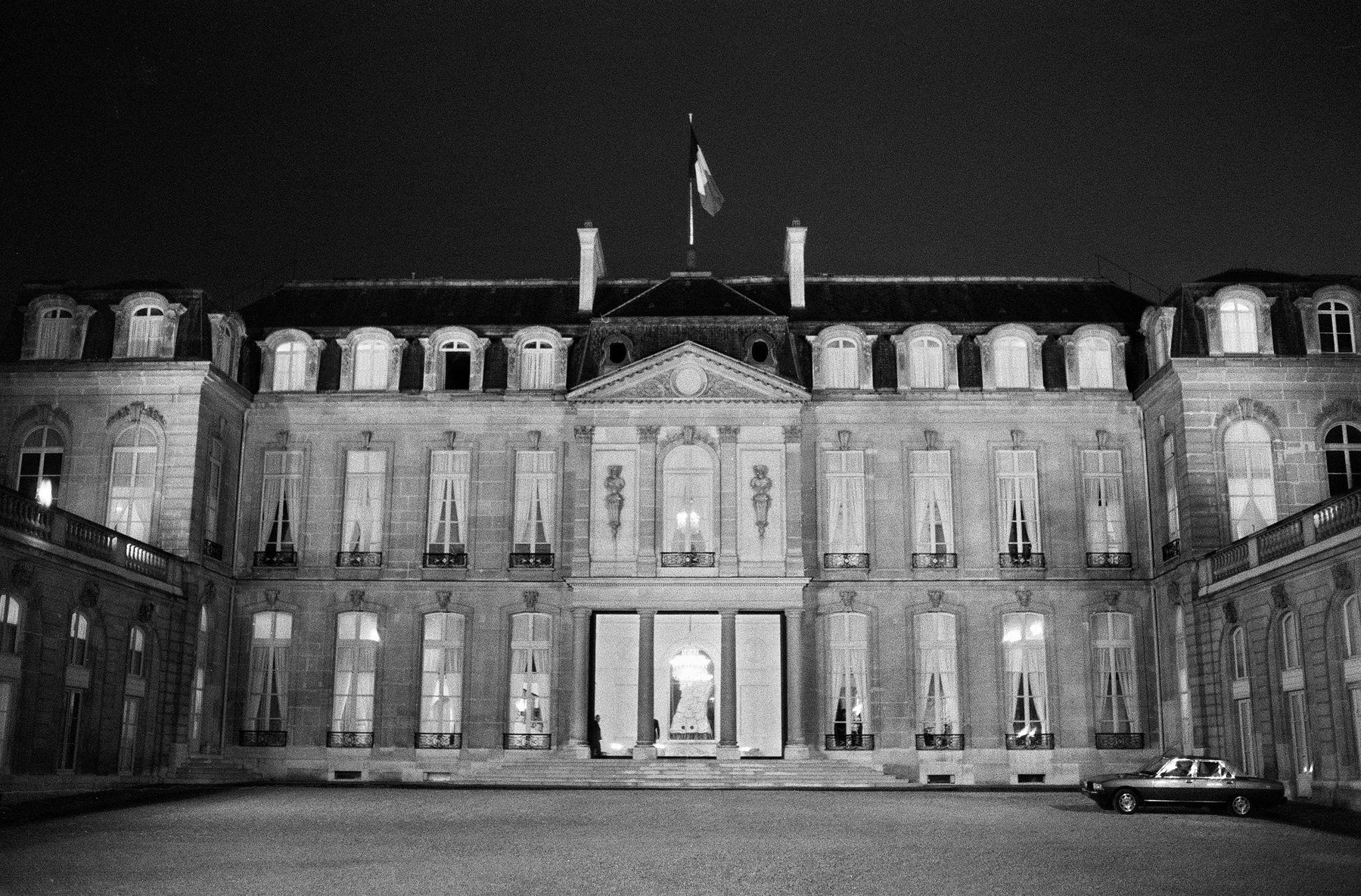
France’s Fifth Republic faced a defining political moment in April 1969 when President Charles de Gaulle resigned following a decisive rejection of his proposed constitutional reforms in a national referendum, marking the end of a dominant era in French politics.
Referendum defeat triggers immediate resignation
The referendum, held on 27 April 1969, sought public approval for a sweeping restructuring of the French Senate and the decentralisation of regional governance. De Gaulle had explicitly tied his presidency to the outcome, stating that he would step down if voters rejected the proposal. When the results showed a clear “No” majority, the president acted swiftly, resigning within hours.
The vote reflected growing public fatigue with de Gaulle’s leadership style, which many critics viewed as increasingly rigid and disconnected from a rapidly changing society. His authority, once unassailable, had been weakened by the social unrest of May 1968 and shifting political dynamics across France.

End of an era for the Fifth Republic
De Gaulle had been the central architect of the Fifth Republic since its establishment in 1958. His presidency was defined by strong executive power, a stabilised political system, and an assertive foreign policy that emphasised French independence, particularly from NATO’s integrated command structure.
His resignation therefore represented more than a personal political defeat—it signalled a transition point for France’s institutional and political identity. The referendum result demonstrated the limits of presidential authority when confronted with direct democratic mechanisms.
Political consequences and succession
Following de Gaulle’s departure, Senate President Alain Poher assumed the role of interim head of state, as mandated by the constitution. A presidential election was subsequently called, leading to the victory of Georges Pompidou, a close ally of de Gaulle but a figure seen as more adaptable to contemporary political realities.
The transition maintained continuity within the Gaullist movement while allowing for a recalibration of governance in response to voter sentiment.
Legacy and long-term impact
Despite the abrupt end to his presidency, de Gaulle’s influence on modern France remains substantial. His constitutional framework continues to underpin the Fifth Republic, and his vision of a strong, centralised executive has shaped French political practice for decades.
The 1969 resignation is often interpreted as a reaffirmation of democratic accountability, underscoring that even the most dominant political figures remain subject to the will of the electorate. It also highlighted the strategic risks of plebiscitary leadership, where political survival becomes directly tied to referendum outcomes.
In retrospect, the episode stands as a pivotal moment in European political history, illustrating both the durability and the adaptability of democratic institutions under pressure.
Newshub Editorial in Europe – April 28, 2026

If you have an account with ChatGPT you get deeper explanations,
background and context related to what you are reading.
Open an account:
Open an account
Recent Comments