
Indigenous leaders have warned that the global transition to clean energy must not become a new justification for exploiting protected territories, arguing that climate solutions should not come at the expense of forests, biodiversity or communities already defending some of the world’s most important ecosystems.
Warning from Colombia conference
The message was delivered at a global conference in Santa Marta, Colombia, focused on accelerating the phase-out of fossil fuels. More than 50 countries, subnational governments and civil society groups attended the meeting, which aimed to build momentum for climate action outside slower formal UN negotiations.
Indigenous representatives told delegates that renewable energy expansion, while necessary, must be governed by stronger safeguards. Their concern is that the rising demand for minerals, land and infrastructure linked to solar, wind, batteries and electric vehicles could reproduce the same extractive model that has long damaged Indigenous territories.

Clean energy needs clean governance
The central argument is not against renewable energy, but against poorly managed development. Leaders said climate policies must respect land rights, free and informed consent, and the protection of ecosystems that already store carbon and sustain local communities.
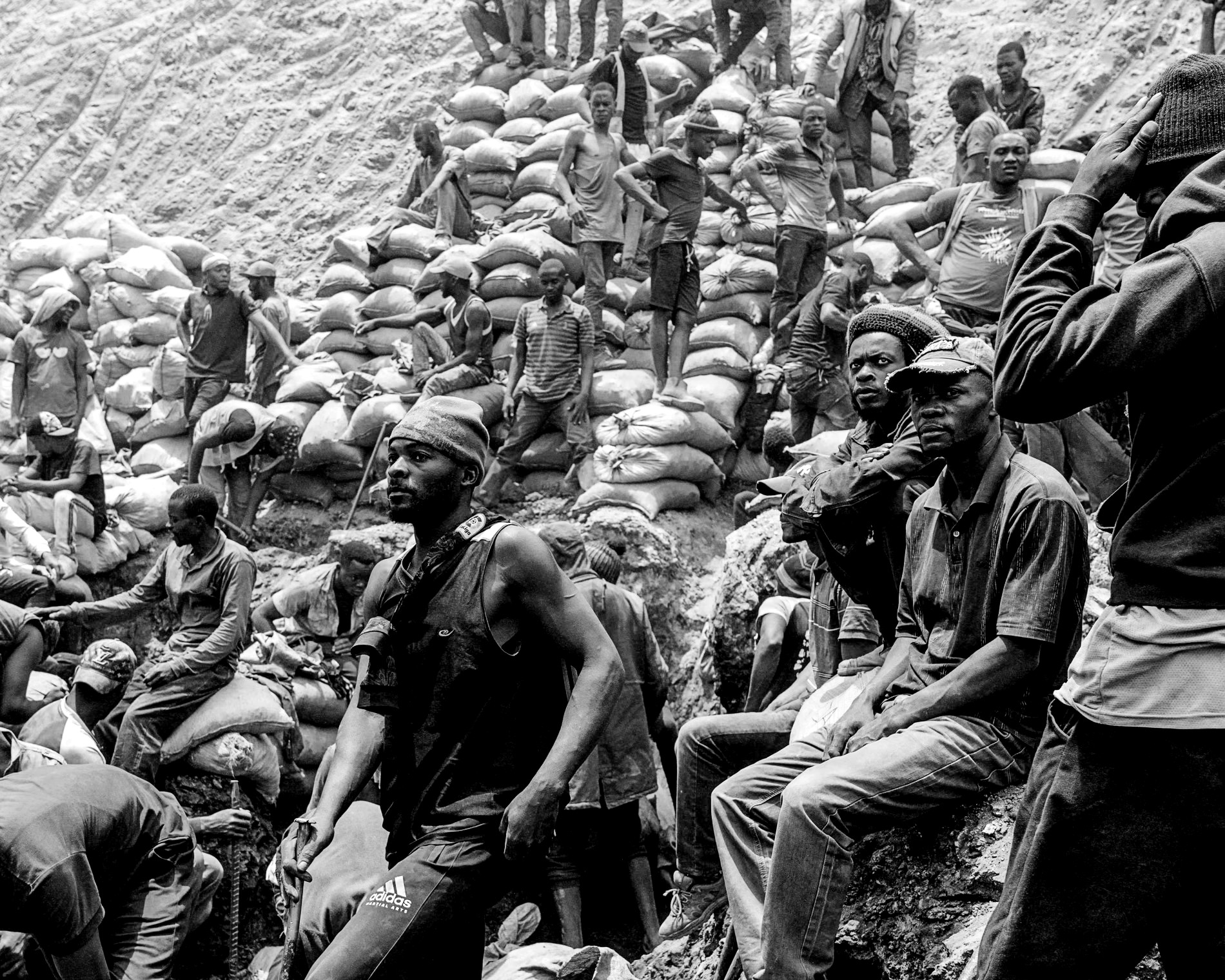
Critical minerals such as lithium, nickel, copper and cobalt are essential to many clean technologies, but mining projects can bring deforestation, water stress, displacement and social conflict. Indigenous leaders warned that branding a project as “green” does not automatically make it just, sustainable or acceptable.
A wider test for climate policy
The debate highlights a growing tension in the energy transition. Governments are seeking faster deployment of renewables as oil prices, geopolitical instability and climate pressure intensify. At the same time, the infrastructure required for that transition can place new pressure on land, water and communities.
For investors and policymakers, the message is increasingly clear: the credibility of clean energy projects will depend not only on emissions reductions, but also on human rights, environmental due diligence and transparent benefit-sharing. Projects that ignore these issues risk legal disputes, delays, reputational damage and local resistance.
Indigenous stewardship as climate protection
Indigenous territories are often among the best-protected natural environments, with communities playing a critical role in preserving forests, rivers and biodiversity. Leaders at the conference argued that these communities should be treated as partners in climate policy, not obstacles to industrial development.
That requires a different model of progress, where economic development is measured alongside ecological protection and community resilience. The energy transition can still deliver lower emissions, energy security and new investment, but only if it avoids replacing fossil-fuel extraction with a new wave of land exploitation.
The warning from Santa Marta is therefore both practical and moral. A cleaner energy system must also be a fairer one. Without stronger safeguards, the transition risks losing legitimacy among the very communities whose lands and knowledge are central to protecting the planet.
Newshub Editorial in South America – April 28, 2026

If you have an account with ChatGPT you get deeper explanations,
background and context related to what you are reading.
Open an account:
Open an account
Recent Comments