
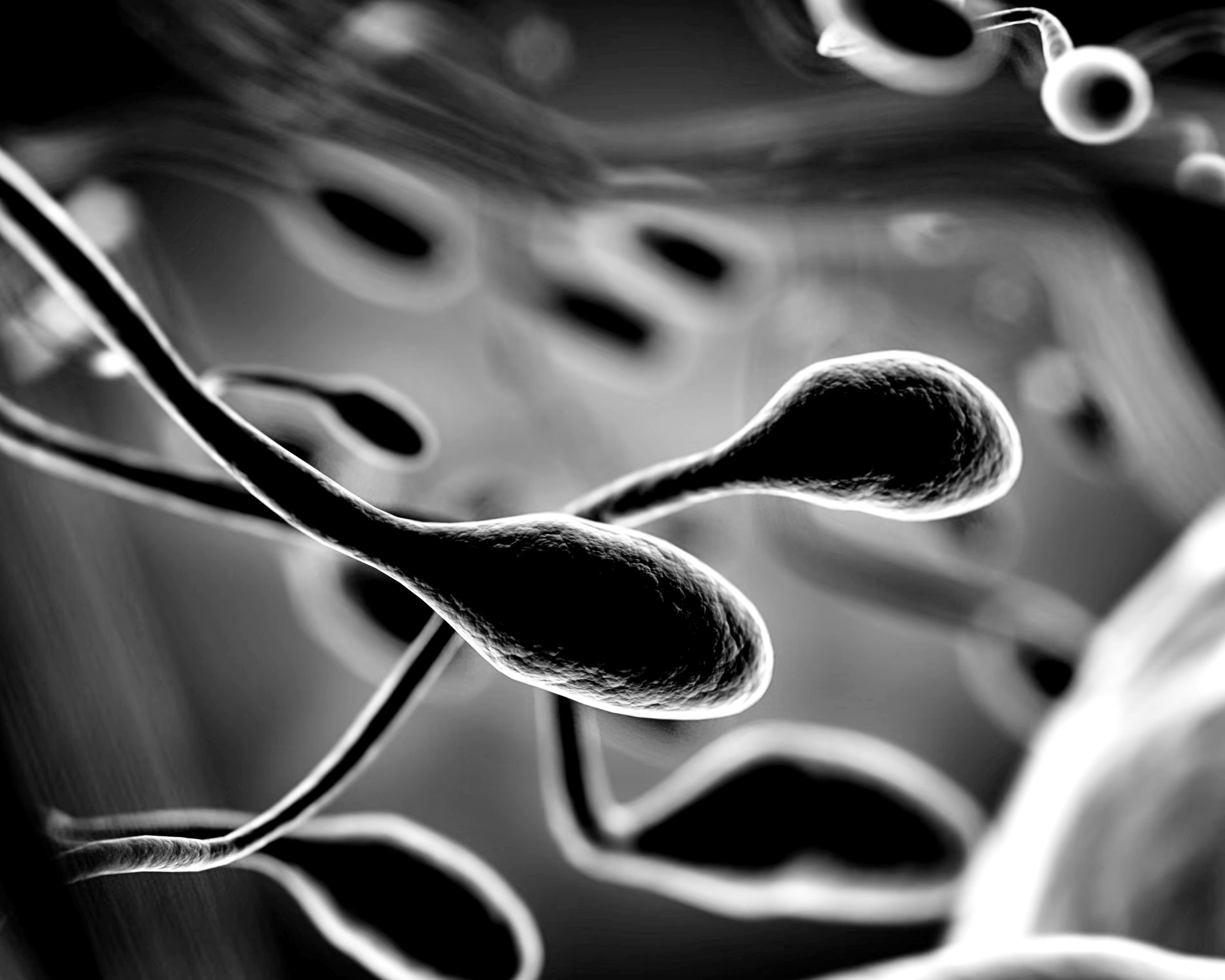
A growing body of research suggests that the combined impact of environmental toxins and climate-related stress is contributing to declining fertility across multiple species, raising fresh concerns about long-term ecosystem stability and human reproductive health.
Dual pressures on reproductive systems
Scientists analysing global data have identified a pattern in which exposure to chemical pollutants—such as pesticides, industrial compounds and microplastics—interacts with rising temperatures and environmental stressors to impair reproductive function.
Rather than acting independently, these factors appear to compound one another, amplifying biological disruption in ways that are more severe than previously understood. Researchers describe the effect as “alarming”, particularly given the scale and persistence of these exposures.

Evidence across species and ecosystems
The findings draw on studies spanning wildlife, marine organisms and human populations, indicating that reduced fertility is not confined to a single group. In many cases, declining reproductive rates have been linked to endocrine disruption caused by toxins, combined with heat stress and habitat degradation driven by climate change.
Species already under environmental pressure appear especially vulnerable, with some populations showing measurable declines in reproductive success over relatively short timeframes.
Implications for human health
While much of the data comes from ecological studies, the implications for human fertility are increasingly under scrutiny. Exposure to pollutants has long been associated with hormonal imbalances, and rising global temperatures are now being examined as an additional risk factor.
The interaction between these elements may affect reproductive health outcomes, including sperm quality, egg viability and overall fertility rates, although researchers emphasise that further longitudinal studies are needed to fully quantify the impact.
Climate change as a force multiplier
The research highlights climate change as a force multiplier that exacerbates existing environmental risks. Higher temperatures can accelerate chemical reactions, increase pollutant toxicity and intensify physiological stress in organisms.
This creates a feedback loop in which environmental degradation and biological harm reinforce one another, complicating efforts to isolate and address individual causes.
Policy and regulatory challenges
The findings present a challenge for policymakers, as traditional regulatory approaches often address pollutants and climate risks separately. Experts argue that more integrated frameworks are needed to account for cumulative exposure and combined effects.
Mitigation strategies may include stricter controls on harmful chemicals, improved environmental monitoring and accelerated efforts to reduce greenhouse gas emissions.
A warning for long-term sustainability
Researchers caution that declining fertility across species could have cascading effects on biodiversity, food systems and economic stability. The issue underscores the interconnected nature of environmental and biological systems, where multiple stressors can converge with significant consequences.
As scientific understanding evolves, the study adds urgency to calls for coordinated global action, highlighting the need to address both pollution and climate change as part of a unified strategy.
Newshub Editorial in Europe – April 27, 2026

If you have an account with ChatGPT you get deeper explanations,
background and context related to what you are reading.
Open an account:
Open an account
Recent Comments