
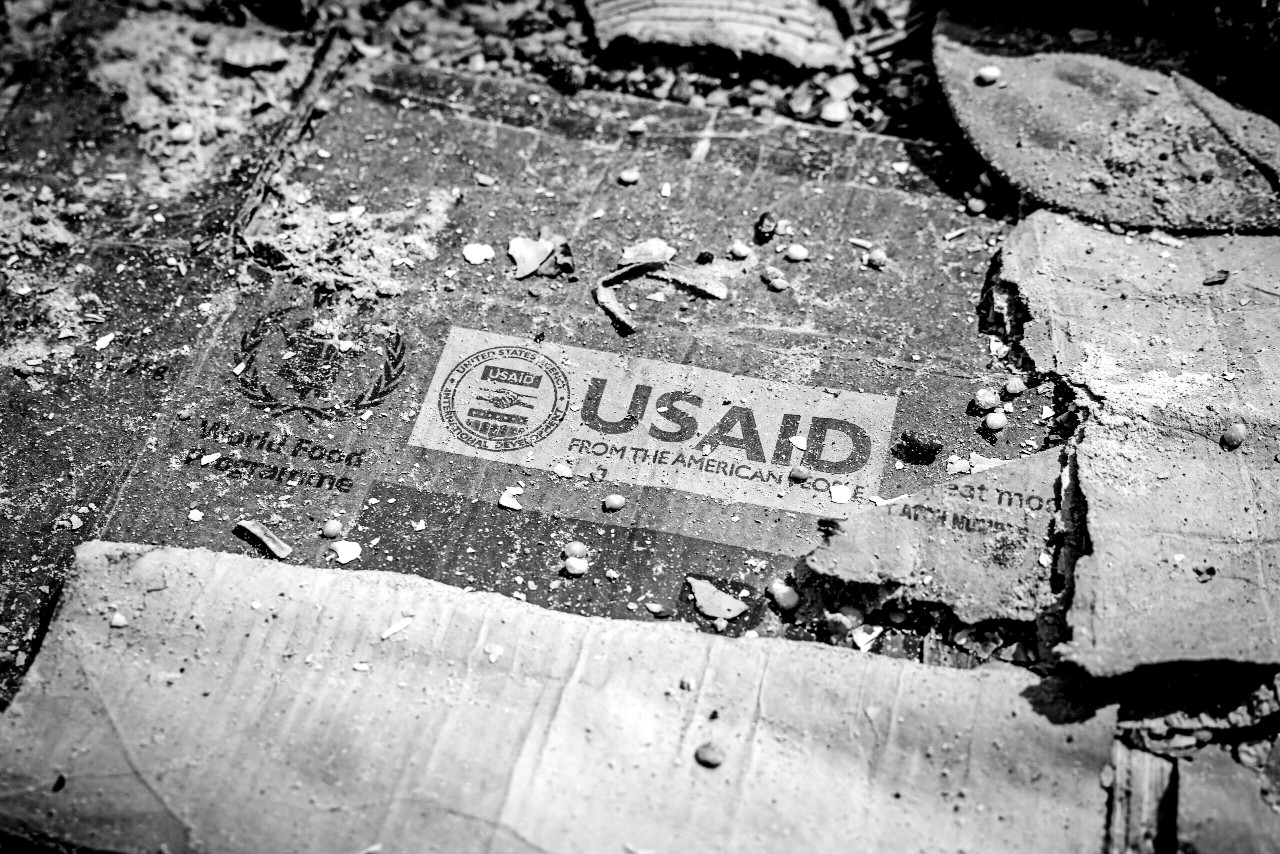
New figures from the OECD show a steep contraction in official development assistance, with total aid flows dropping by nearly a quarter in a single year and contributions from the United States falling by 56.9%.
A significant reversal in aid trends
The data marks a notable reversal after years in which development assistance had generally trended upwards, particularly during periods of global crisis. The scale of the decline has raised concerns among policymakers and humanitarian organisations, given the continued need for funding across low- and middle-income countries.
The reduction reflects shifting budget priorities among donor nations, as domestic fiscal pressures and geopolitical considerations increasingly influence spending decisions.

US cuts drive overall decline
The sharp fall in US contributions has been a major factor behind the global drop. As one of the largest providers of development aid, changes in US funding levels have a disproportionate impact on overall figures.
The reduction is likely to affect a wide range of programmes, including health, education, infrastructure and humanitarian assistance, particularly in regions heavily reliant on external support.
Broader donor retrenchment
While the US accounts for a large share of the decline, other donor countries have also scaled back contributions or slowed increases. This broader retrenchment reflects tighter fiscal conditions, rising debt levels and competing domestic priorities in many advanced economies.
As a result, the gap between development financing needs and available resources is widening, placing additional strain on recipient countries.
Implications for emerging markets
Lower aid flows could have significant consequences for emerging and developing economies, particularly those facing structural challenges or recovering from external shocks. Reduced funding may limit governments’ ability to invest in critical infrastructure, social services and climate adaptation measures.
In some cases, countries may be forced to turn to alternative financing sources, including private capital or multilateral lending, which may come with higher costs or stricter conditions.
Geopolitical and strategic considerations
The decline in development assistance also carries geopolitical implications. Aid has long been used as a tool of soft power, supporting diplomatic relationships and influence in strategic regions.
A reduction in funding from traditional donors could create space for other actors to expand their presence, potentially reshaping global development dynamics.
Outlook remains uncertain
The OECD data highlights growing uncertainty around the future of international development financing. While some donor countries may adjust policies in response to emerging needs, the overall trajectory suggests a more constrained environment in the near term.
For recipient nations, adapting to reduced external support will be a key challenge, underscoring the importance of domestic resource mobilisation and sustainable economic strategies.
Newshub Editorial in Europe – April 27, 2026

If you have an account with ChatGPT you get deeper explanations,
background and context related to what you are reading.
Open an account:
Open an account
Recent Comments