
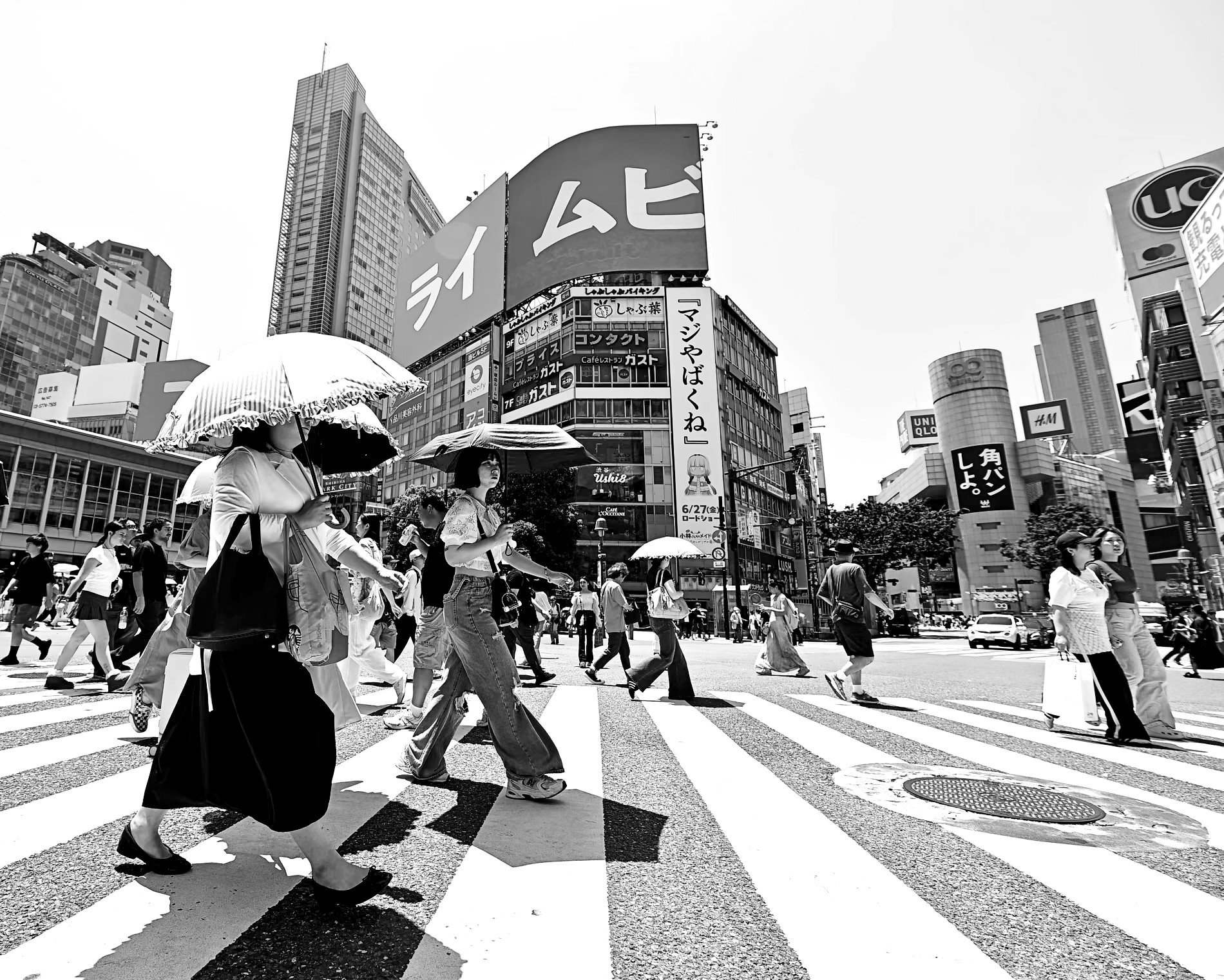
Officials in Tokyo are encouraging public sector employees to swap formal office attire for shorts and lighter clothing in an effort to reduce electricity consumption and cope with rising temperatures, as energy costs surge amid the ongoing conflict linked to Iran. The initiative reflects growing concern over power supply constraints as summer approaches.
A modern extension of ‘Cool Biz’
The policy builds on Japan’s long-running “Cool Biz” campaign, originally introduced in 2005 to reduce reliance on air conditioning by promoting lighter workplace attire. The updated approach goes further than previous iterations, explicitly permitting shorts alongside polo shirts, T-shirts and sneakers.
Officials hope that encouraging more relaxed dress codes will allow offices to operate at higher indoor temperatures, thereby lowering electricity demand during peak summer months.

Energy concerns linked to global tensions
The move comes against a backdrop of rising energy costs and supply risks driven by geopolitical instability in the Middle East. Japan remains heavily dependent on imported energy, with a significant share of its oil passing through critical shipping routes such as the Strait of Hormuz.
As tensions disrupt global energy markets, authorities are increasingly focused on demand-side measures, including behavioural changes and efficiency initiatives, to mitigate potential shortages.
Heat and climate pressures intensify
In addition to geopolitical factors, climate conditions are playing a major role. Japan has experienced record-breaking summer temperatures in recent years, with extreme heat becoming more frequent. Authorities have even introduced new classifications for dangerously high temperatures, reflecting the growing severity of heatwaves.
The combination of climate stress and energy constraints has accelerated the push for adaptive workplace practices, with clothing emerging as a simple but effective lever.
Changing workplace culture
The shift also signals a broader transformation in Japan’s traditionally formal corporate culture. While earlier versions of “Cool Biz” encouraged employees to remove jackets and ties, allowing shorts represents a more visible departure from long-standing norms.
Initial reactions from workers suggest cautious acceptance, with some noting improved comfort and productivity. The policy may also pave the way for further flexibility, including remote work and adjusted working hours during extreme heat periods.
Balancing efficiency and practicality
While the measure is unlikely to solve energy challenges on its own, it forms part of a wider strategy to reduce consumption without disrupting economic activity. Similar initiatives are being considered or implemented across Asia, where governments are exploring ways to manage energy demand amid rising costs.
Tokyo’s approach highlights how even small behavioural adjustments can contribute to broader efficiency goals, particularly in highly urbanised economies facing both environmental and geopolitical pressures.
Newshub Editorial in Asia – April 26, 2026

If you have an account with ChatGPT you get deeper explanations,
background and context related to what you are reading.
Open an account:
Open an accountOfficials hope more casual attire for public servants will save electricity during Iran war as summer heat approaches
Recent Comments