
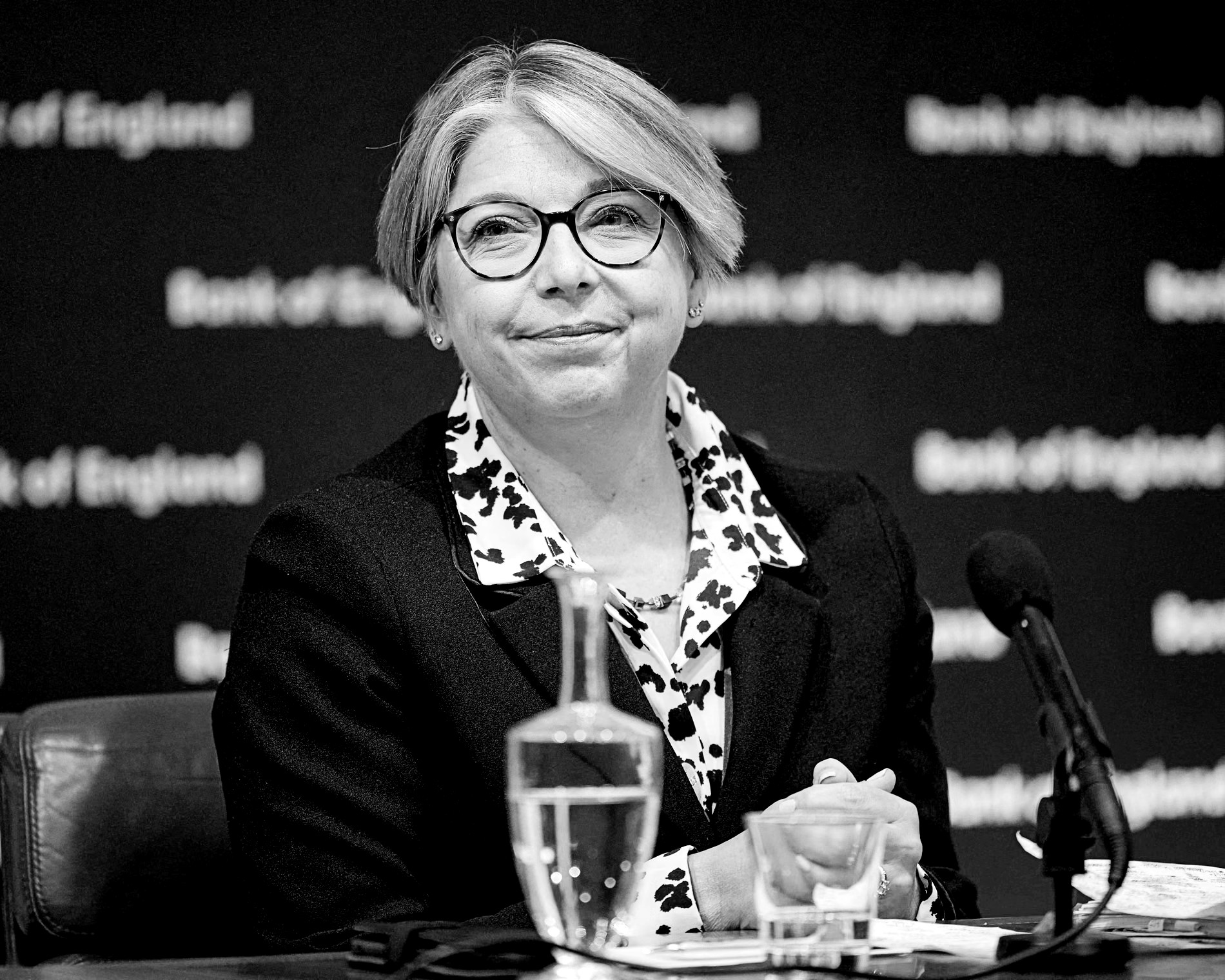
Global stock markets are likely to face a downward adjustment, according to Sarah Breeden, who cautioned that elevated valuations and growing risks in key sectors could trigger a broad reassessment by investors. Her comments highlight mounting concern among policymakers that current market conditions may not be sustainable.
Warning signals from the central bank
Breeden, deputy governor at the Bank of England, indicated that financial markets are increasingly exposed to vulnerabilities, particularly in areas such as private credit and high-growth technology stocks. She emphasised that a period of “adjustment” is likely as investors begin to price in these risks more accurately.
Her remarks reflect a broader unease among central banks that prolonged periods of low interest rates and abundant liquidity have inflated asset prices beyond fundamental value. As monetary conditions tighten and uncertainties persist, markets may be forced to recalibrate.

AI valuations under scrutiny
One of the central concerns highlighted is the rapid rise in valuations of artificial intelligence-related companies. While the sector has driven significant market gains in recent years, Breeden warned that expectations may have outpaced realistic earnings potential.
This dynamic has been particularly visible in major indices such as the NASDAQ Composite, where technology stocks have played a dominant role in recent rallies. Analysts note that concentrated gains in a small number of high-growth companies can increase systemic risk if sentiment shifts.
Private credit risks emerging
In addition to equity markets, Breeden pointed to the expansion of private credit as another area of concern. The sector has grown rapidly as traditional banks have pulled back from certain types of lending, creating opportunities for non-bank financial institutions.
However, the relative lack of transparency and regulation in private credit markets raises questions about how these assets would perform under stress. A downturn could expose hidden weaknesses, potentially amplifying broader financial instability.
Implications for investors and policymakers
The warning comes at a time when global markets remain sensitive to geopolitical tensions, inflation dynamics and interest rate trajectories. A correction, while potentially disruptive in the short term, could also serve to restore more sustainable valuations.
For investors, the message is clear: risk management and diversification are becoming increasingly critical. High-growth sectors that have driven recent performance may also be the most vulnerable to repricing.
Policymakers, meanwhile, face the challenge of balancing financial stability with economic growth. Monitoring emerging risks in both traditional and alternative financial sectors is likely to remain a priority.
Breeden’s comments do not necessarily signal an imminent crash, but they underscore a growing consensus that current market conditions are fragile and that a period of adjustment may be both necessary and unavoidable.
Newshub Editorial in Europe – April 26, 2026

If you have an account with ChatGPT you get deeper explanations,
background and context related to what you are reading.
Open an account:
Open an account
Recent Comments