
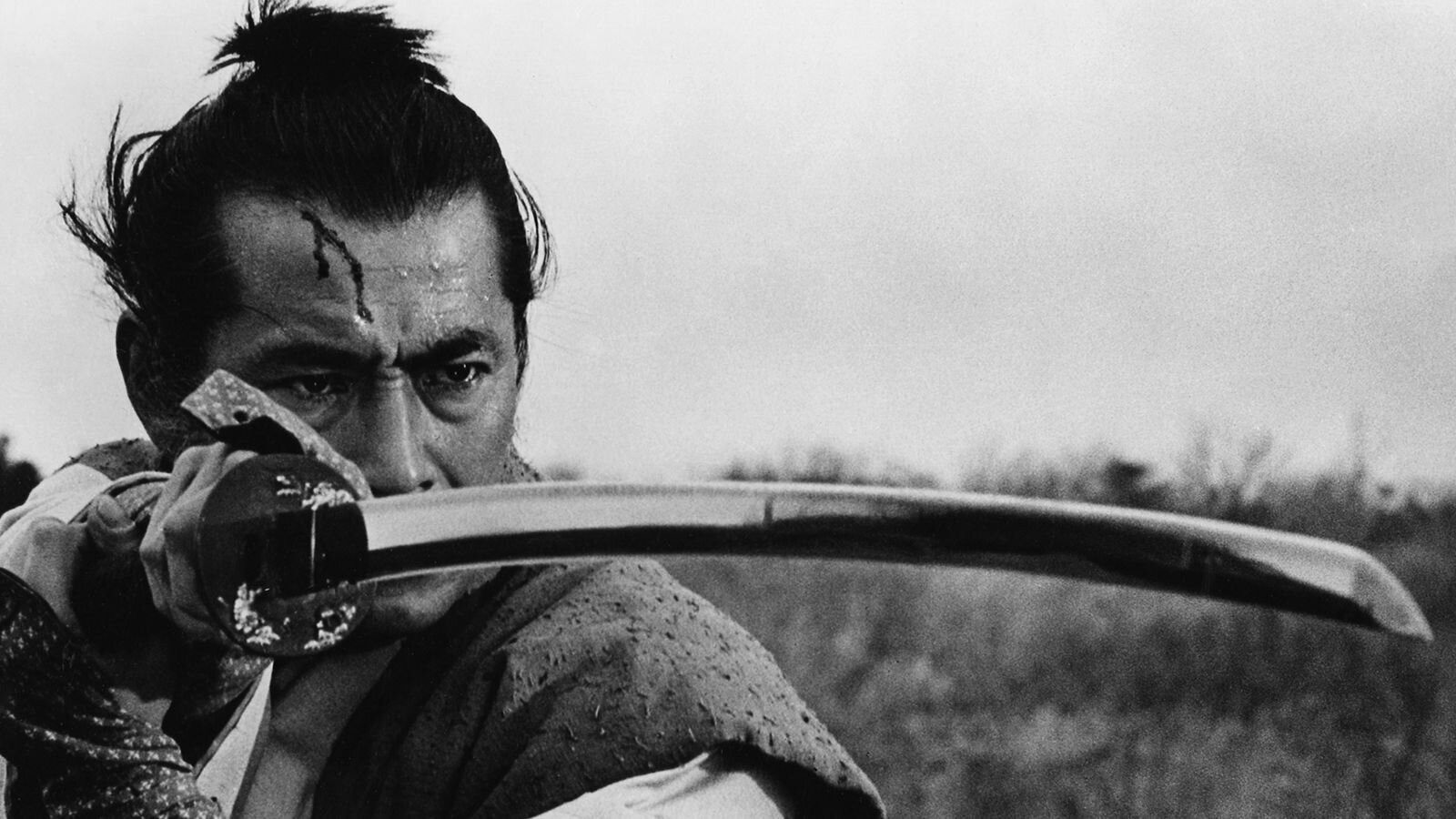
When Akira Kurosawa’s landmark film Seven Samurai was released in Japan, it marked a turning point not only for Japanese cinema but for the global film industry. Premiering in 1954, the epic story of honour, sacrifice and survival quickly established itself as one of the most influential films ever made.
A new standard for storytelling
Set in 16th-century Japan, Seven Samurai follows a group of masterless samurai hired by desperate villagers to defend against bandits. While the premise appears simple, Kurosawa’s execution introduced a level of narrative depth and character development rarely seen at the time. Each samurai is distinct, with motivations and personalities that drive the story forward, creating a layered ensemble rarely matched in cinema.
The film’s structure, divided into careful phases of recruitment, preparation and battle, has since become a blueprint for countless films across genres. From westerns to modern action films, its DNA can be traced in works such as The Magnificent Seven and even contemporary blockbuster franchises.

Technical innovation and cinematic craft
Kurosawa’s direction was revolutionary in both form and function. His use of multiple cameras during action sequences allowed for dynamic editing, capturing movement and emotion with unprecedented clarity. Weather elements such as rain and wind were deliberately integrated into battle scenes, heightening realism and tension.
Equally significant was the film’s pacing. At over three hours long, it defied conventional runtime expectations but maintained engagement through disciplined editing and emotional rhythm. The score by Fumio Hayasaka added further depth, blending traditional Japanese sounds with cinematic orchestration to enhance the narrative’s intensity.
Global impact and lasting legacy
Upon its release, Seven Samurai was met with critical acclaim in Japan and gradually gained international recognition, particularly after being screened at global festivals. Its influence extended beyond film technique, shaping storytelling conventions in Hollywood and beyond.
Directors including George Lucas and Steven Spielberg have cited Kurosawa’s work as formative to their own careers. The concept of assembling a diverse team for a shared mission, now a staple in genres ranging from war films to superhero narratives, can be traced directly to this film.
Cultural significance and enduring relevance
More than seven decades after its release, Seven Samurai remains a cornerstone of film education and criticism. It is frequently ranked among the greatest films ever made and continues to be studied for its narrative architecture, visual language and philosophical themes.
At its core, the film explores timeless questions about duty, class and human resilience. Its portrayal of the uneasy alliance between samurai and farmers reflects broader societal tensions, giving the film a depth that resonates across cultures and generations.
Seven Samurai is not merely a historical milestone; it is a living reference point for what cinema can achieve when artistry and storytelling converge at the highest level.
Newshub Editorial in Asia – April 26, 2026

If you have an account with ChatGPT you get deeper explanations,
background and context related to what you are reading.
Open an account:
Open an account
Recent Comments