
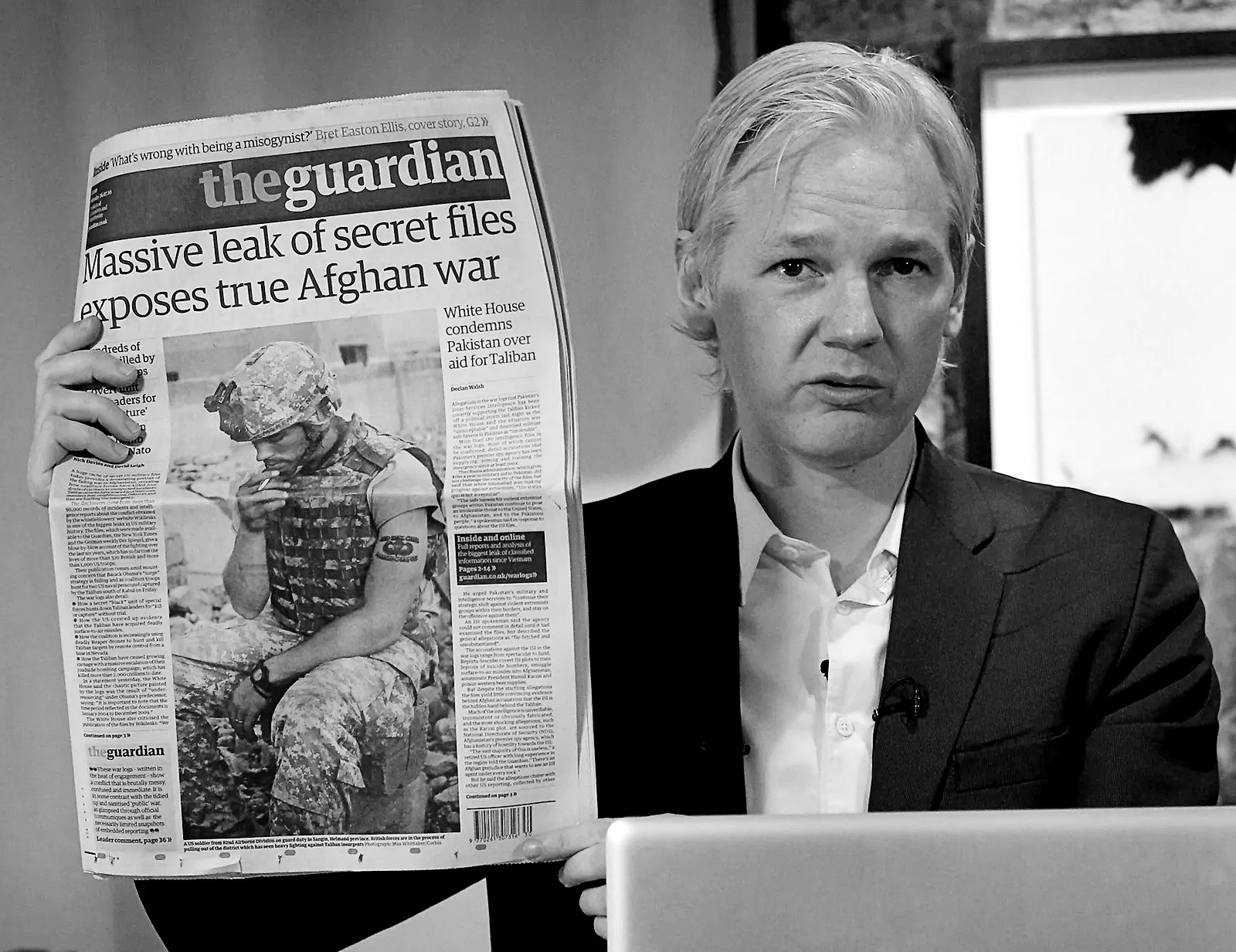
n one of the most consequential disclosures of the digital era, WikiLeaks began releasing a vast archive of classified United States documents in coordination with major international media, fundamentally altering the landscape of investigative journalism and government accountability.
A new model for global disclosures
The releases, which began in 2010, were carried out in collaboration with leading publications including The New York Times, The Guardian, and Der Spiegel. This marked a significant evolution in how sensitive information was handled, combining raw data leaks with professional editorial analysis and verification.
The material consisted of hundreds of thousands of classified files, most notably diplomatic cables and military field reports from Iraq and Afghanistan. The “Cablegate” release provided an unprecedented view into internal U.S. communications, revealing candid assessments of foreign leaders, strategic considerations, and diplomatic priorities.

Debate over transparency and security
The disclosures triggered a global debate that remains unresolved. Advocates argued that the publications strengthened democratic oversight by exposing information that would otherwise remain hidden. Critics, including senior U.S. officials, contended that the leaks posed risks to national security, diplomatic relations, and the safety of individuals referenced in the documents.
At the centre of the controversy was Julian Assange, who maintained that the releases served the public interest by holding governments accountable. Investigations by U.S. authorities later identified Chelsea Manning as the source of the leaked material, leading to a high-profile legal case that further intensified the global spotlight on the issue.
Transformation of investigative journalism
The collaboration introduced a hybrid model that has since influenced modern investigative reporting. Traditional news organisations applied editorial standards, including verification and selective redaction, to large datasets provided by a digital whistleblowing platform. This approach enabled responsible publication while preserving the scale and impact of the leak.
The model demonstrated how journalism could adapt to the digital age, where vast quantities of information can be distributed rapidly across borders. It also paved the way for future multinational investigations that rely on similar frameworks for analysing complex datasets.
Lasting geopolitical and institutional impact
The consequences of the disclosures extended well beyond journalism. Diplomatic relations were strained as governments reacted to the exposure of confidential communications. Some revelations confirmed existing suspicions about global power dynamics, while others introduced new complexities into international relations.
More broadly, the episode highlighted the challenges governments face in maintaining secrecy in an increasingly interconnected world. It also raised enduring questions about the balance between transparency and security, the legal boundaries of whistleblowing, and the evolving responsibilities of the media.
More than a decade on, the WikiLeaks releases continue to influence discussions on press freedom, digital security, and the role of information in shaping global governance.
Newshub Editorial in Europe – April 24, 2026

If you have an account with ChatGPT you get deeper explanations,
background and context related to what you are reading.
Open an account:
Open an account
Recent Comments