
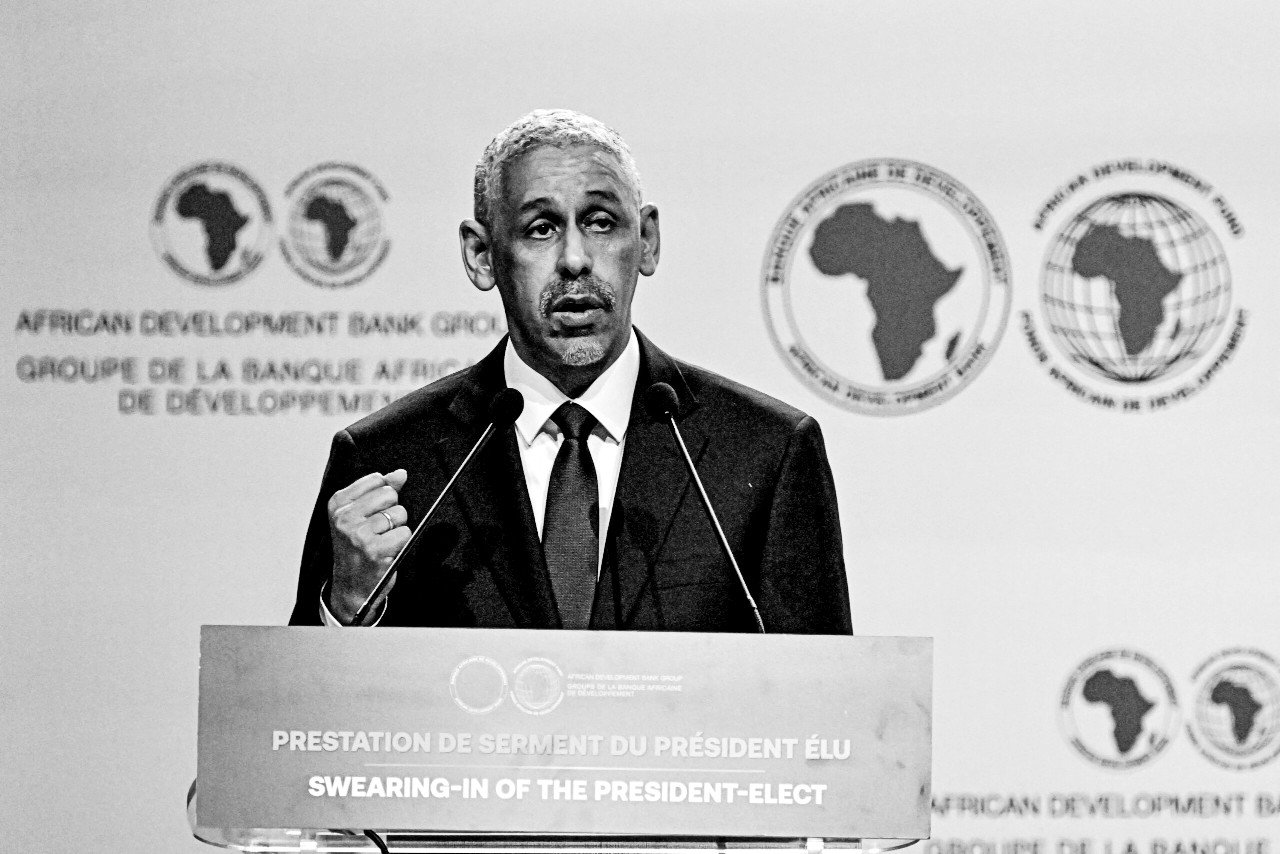
African economies have demonstrated resilience in the face of global headwinds, but deeper structural reforms are urgently needed to unlock sustainable growth, according to a new report from the African Development Bank.
Resilience amid global pressures
The African Development Bank noted that many African countries have weathered recent shocks, including inflationary pressures, supply chain disruptions, and tightening global financial conditions. Despite these challenges, growth has remained relatively stable across several regions, supported by domestic demand and commodity exports.
Structural barriers limit long-term progress
However, the report emphasises that resilience alone is insufficient. Persistent structural constraints—such as limited industrialisation, inadequate infrastructure, and constrained access to finance—continue to hinder the continent’s economic transformation. Without addressing these foundational issues, the AfDB warns that growth may remain uneven and vulnerable to external shocks.

Infrastructure and industrialisation in focus
A central recommendation is increased investment in infrastructure, particularly in energy, transport, and digital connectivity. Reliable power supply and efficient logistics networks are seen as critical enablers for industrial development and regional trade. The report also highlights the need to move up the value chain, shifting from raw material exports to higher-value manufacturing and processing.
Private sector development as a catalyst
The AfDB underscores the importance of strengthening the private sector to drive job creation and innovation. Improving access to financing for small and medium-sized enterprises, alongside regulatory reforms, could accelerate economic diversification. Entrepreneurship, particularly among younger populations, is identified as a key lever for inclusive growth.
Regional integration gains urgency
Greater economic integration across the continent is also highlighted as a priority. Initiatives such as the African Continental Free Trade Area are expected to enhance intra-African trade and reduce dependency on external markets. However, effective implementation remains critical to realising these benefits.
Balancing reform with social inclusion
The report stresses that structural transformation must be inclusive, ensuring that economic gains translate into improved living standards. Investments in education, healthcare, and social protection are essential to building human capital and reducing inequality across the continent.
A turning point for Africa’s growth model
The AfDB’s findings point to a pivotal moment for Africa’s economic trajectory. While resilience has provided a foundation, sustained progress will depend on the ability of governments to implement reforms, attract investment, and build institutions capable of supporting long-term development.
Newshub Editorial in Africa – April 20, 2026

If you have an account with ChatGPT you get deeper explanations,
background and context related to what you are reading.
Open an account:
Open an account
Recent Comments