
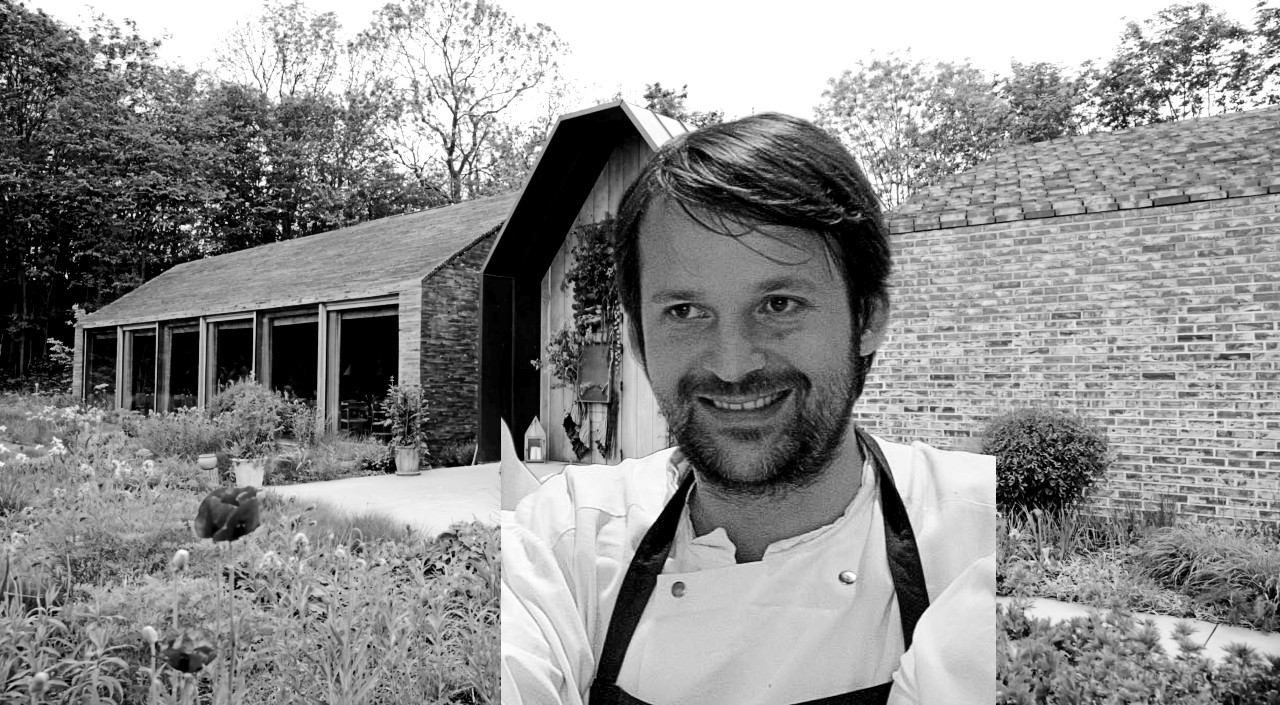
René Redzepi, the visionary Danish chef who transformed Copenhagen’s Noma into one of the most influential restaurants in modern culinary history, has stepped away from the establishment following allegations from former employees describing bullying and violent behaviour in the workplace. The development marks a dramatic turn for a restaurant that helped redefine global fine dining and shaped the international perception of Nordic cuisine.
A restaurant that changed the culinary world
When Noma first opened its doors in Copenhagen in 2003, few could have predicted the scale of its eventual impact. Located in a converted warehouse along the city’s harbour, the restaurant quickly began attracting attention for its radically different approach to fine dining.
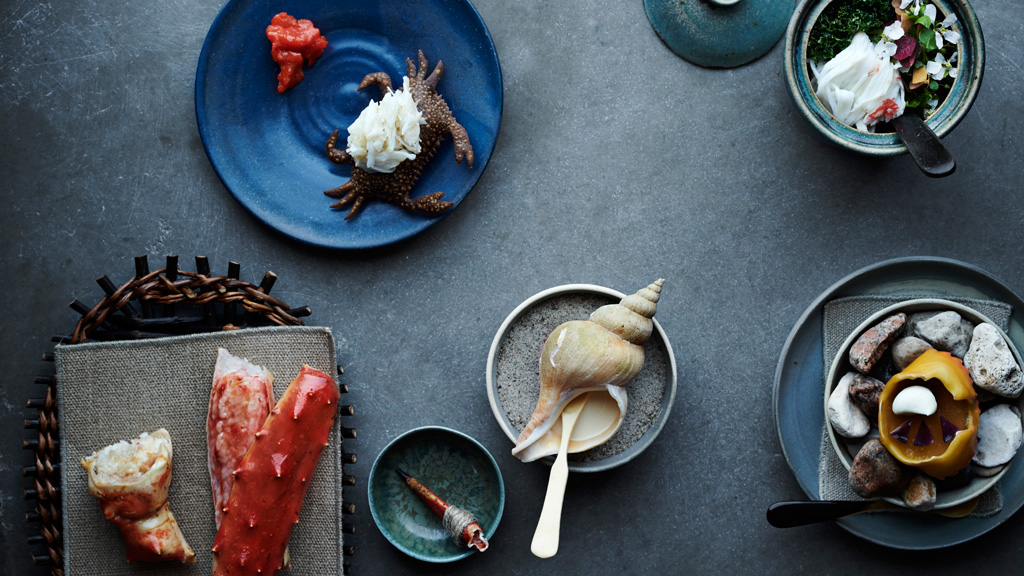
Rather than relying on the traditional French culinary canon that dominated elite restaurants at the time, Redzepi focused on ingredients drawn from the Nordic landscape. Wild herbs, sea buckthorn, fermented grains, moss, berries and seafood harvested from cold northern waters became central components of the restaurant’s philosophy.

This approach evolved into what became known as the New Nordic cuisine movement — a culinary ideology emphasising seasonality, sustainability and local sourcing. Redzepi and his team treated the surrounding environment not just as a supply chain, but as a creative ecosystem.
Within a few years, the restaurant had begun to attract international attention. Food critics described the experience at Noma as revolutionary, and chefs from around the world travelled to Copenhagen to observe the kitchen’s techniques and philosophy.
Global recognition and repeated awards
Noma’s rise accelerated rapidly. In 2010, the restaurant claimed the top spot on the prestigious World’s 50 Best Restaurants list, ending the long dominance of Spanish restaurant El Bulli. The accolade was widely seen as a symbolic shift in global gastronomy.
The restaurant would go on to claim the number-one ranking multiple times, reinforcing its reputation as one of the most innovative kitchens in the world.
At the centre of this transformation stood Redzepi himself — intense, ambitious and relentlessly driven. Born in Copenhagen to a Danish mother and a Macedonian father, Redzepi had trained under several prominent chefs before launching Noma with business partner Claus Meyer.
His vision extended beyond cooking. Redzepi cultivated a culture of experimentation, encouraging chefs to forage in forests, study fermentation techniques and collaborate with scientists and botanists.
The restaurant’s influence spread far beyond Denmark. Concepts pioneered at Noma — such as hyper-local sourcing, fermentation labs and seasonal tasting menus — began appearing in high-end kitchens around the world.

The pressure of perfection
Yet behind the acclaim and global recognition, Noma’s kitchen was also known for its intensity.
Elite restaurant kitchens have long operated under demanding conditions. Long hours, strict hierarchies and extreme attention to detail are common features of the industry, particularly at restaurants competing for international recognition.
Former employees have often described the experience as both transformative and exhausting.
Working at Noma was widely viewed as a career-defining opportunity for young chefs. Many who trained there later opened influential restaurants of their own. But the environment was also characterised by high expectations and relentless standards.
According to several former staff members who have now spoken publicly, those expectations sometimes crossed into behaviour they describe as aggressive or intimidating.
Allegations from former staff emerge
The controversy surrounding Redzepi intensified after former employees began sharing accounts of their experiences in the kitchen. Several individuals described incidents in which they claim the chef engaged in behaviour they characterised as bullying or violent.
Some accounts describe verbal confrontations and moments of physical intimidation during periods of high pressure in service.
These allegations have drawn renewed attention to long-standing debates about working culture within elite kitchens. Critics argue that the pursuit of perfection in fine dining has historically tolerated behaviours that would be unacceptable in most other professional environments.
The emergence of these claims placed Noma — a restaurant often celebrated for its progressive culinary philosophy — at the centre of a broader conversation about leadership, workplace culture and power dynamics in the hospitality industry.
Redzepi steps away
Against this backdrop, Redzepi announced he would step away from the restaurant that defined his career.
The decision represents a significant moment not only for Noma but also for the wider culinary world. Redzepi’s identity has long been intertwined with the restaurant, and his departure signals the end of an era for one of the most influential kitchens of the 21st century.
While details surrounding the transition remain limited, the move appears intended to allow the restaurant to move forward while addressing the controversy that has surrounded its leadership.
Industry observers say the development reflects broader shifts taking place across the restaurant sector, where chefs and restaurateurs are increasingly being held accountable for workplace practices.
A changing restaurant industry
Over the past decade, the global hospitality industry has faced growing scrutiny regarding labour conditions and workplace culture.
Stories from high-profile kitchens around the world have revealed patterns of harsh management styles, unpaid labour and demanding working environments.
At the same time, younger generations of chefs have begun advocating for healthier work structures, including more sustainable schedules, improved pay and more collaborative leadership models.
In this context, the allegations surrounding Redzepi have resonated far beyond Copenhagen.
For many observers, the situation reflects a tension between the traditional image of the authoritarian chef and the emerging expectation that creative leadership must also prioritise employee wellbeing.
Noma’s enduring influence
Despite the controversy, Noma’s influence on global cuisine remains undeniable.
The restaurant helped transform Copenhagen into one of the world’s most exciting food destinations. Visitors from across the globe travel to the Danish capital to experience the city’s thriving culinary scene, much of which was shaped by the success of Noma.
The restaurant also pioneered research into fermentation and ingredient development through its in-house laboratories. These efforts produced new techniques and flavours that have since spread through professional kitchens internationally.
In recent years, Noma also experimented with new formats, including seasonal menus focused on seafood, vegetables and game.
These rotating concepts allowed the restaurant to continue evolving while maintaining its core philosophy of connecting cuisine with the natural rhythms of the Nordic environment.
The future of Noma
Even as Redzepi steps away, the future of Noma remains a topic of intense interest across the food world.
The restaurant has already begun transitioning toward new forms of operation, including a shift toward research, product development and culinary experimentation.
Some industry observers believe that the Noma brand will continue to shape global food culture even if the restaurant itself evolves beyond the traditional fine-dining model.
What remains clear is that Redzepi’s influence on gastronomy will endure. Few chefs have managed to reshape the direction of global cuisine in the way he did during the first decades of the 21st century.
A complex legacy
For supporters, Redzepi remains a pioneering figure who challenged the dominance of classical culinary traditions and helped establish a new global language of food.
For critics, the allegations from former employees raise difficult questions about the culture that developed behind the scenes in one of the world’s most celebrated kitchens.
Both perspectives now form part of the story surrounding Noma and its founder.
As the restaurant industry continues to confront its own traditions and practices, the departure of René Redzepi may come to be seen as a turning point — a moment when the pursuit of culinary excellence collided with changing expectations about leadership, responsibility and workplace culture.
In the coming years, the broader legacy of Noma will likely be judged not only by its revolutionary dishes but also by the lessons learned from the environment in which those creations emerged.
Newshub Editorial in Europe – March 12, 2026
Recent Comments