
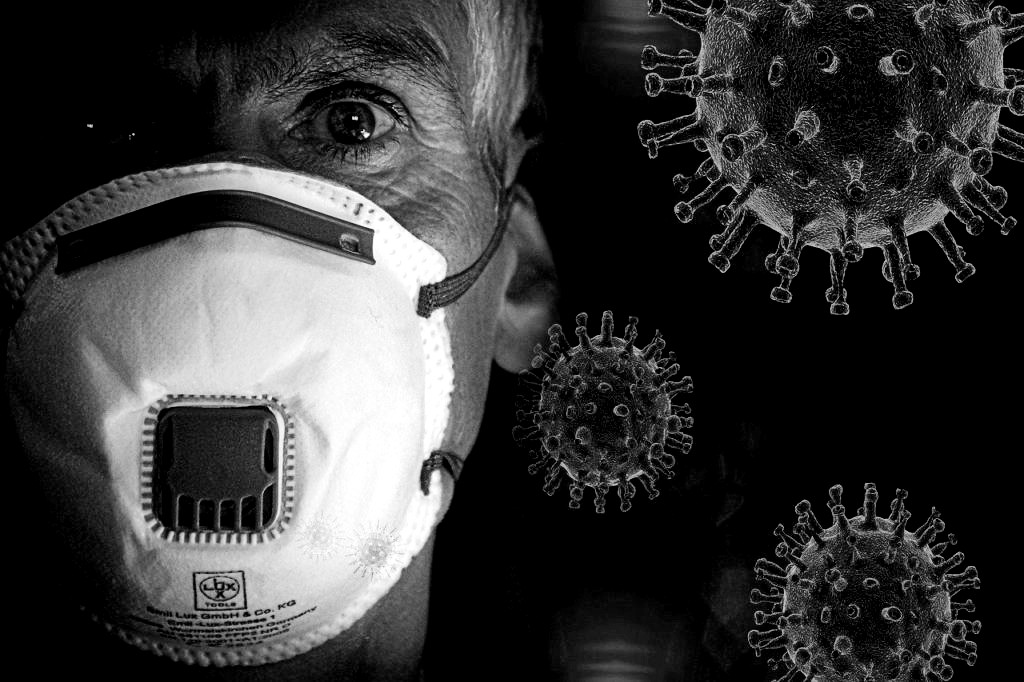
The World Health Organization (WHO) formally declared the COVID-19 outbreak a global pandemic, marking a historic moment in modern public health and signalling that the virus had spread uncontrollably across multiple continents. The announcement underscored the severity of the crisis and prompted governments worldwide to escalate emergency measures aimed at containing the rapidly spreading disease.
A turning point in the global health crisis
On 11 March 2020, WHO Director-General Tedros Adhanom Ghebreyesus announced that the outbreak of the novel coronavirus, SARS-CoV-2, had reached pandemic status. At the time of the declaration, more than 118,000 confirmed cases had been reported across over 110 countries and territories, with more than 4,000 deaths recorded globally.
The term “pandemic” is used when a new disease spreads worldwide and affects a large number of people. WHO officials emphasised that the designation was not made lightly, but reflected both the speed and scale of transmission as well as the alarming levels of inaction observed in some regions.

Tedros stated that the organisation was “deeply concerned both by the alarming levels of spread and severity, and by the alarming levels of inaction,” urging countries to intensify efforts to detect infections, test populations and implement containment strategies.
Governments rush to respond
The declaration accelerated policy responses around the world. Governments introduced travel restrictions, lockdowns, school closures and emergency economic measures to limit the virus’s spread and soften the economic fallout.
Financial markets reacted sharply as uncertainty about the virus’s trajectory grew. Global equities experienced significant volatility, while central banks and finance ministries moved quickly to introduce stimulus programmes aimed at stabilising economies disrupted by restrictions on travel, commerce and daily life.
Healthcare systems also faced unprecedented pressure. Hospitals expanded intensive-care capacity, governments raced to procure medical equipment, and scientific institutions mobilised in an urgent effort to develop vaccines and treatments.
Scientific mobilisation and global cooperation
The pandemic declaration triggered an extraordinary global scientific response. Pharmaceutical companies, research institutes and universities accelerated work on vaccine technologies, diagnostics and antiviral drugs.
Within less than a year, multiple vaccines had been developed and authorised for emergency use—an achievement widely regarded as one of the fastest vaccine development efforts in medical history.
International cooperation became a central theme in pandemic management, although disparities in vaccine access later highlighted structural inequalities between wealthy and developing nations.
Lasting global consequences
The COVID-19 pandemic would go on to reshape societies, economies and political priorities across the world. Beyond the immediate health impact, the crisis accelerated trends such as remote work, digitalisation and the adoption of telemedicine.
It also exposed vulnerabilities in global supply chains and healthcare infrastructure, prompting governments and international organisations to reconsider preparedness strategies for future pandemics.
Years after the declaration, the pandemic continues to influence policy debates on public health resilience, global cooperation and crisis management.
Newshub Editorial in Europe — March 11, 2026

If you have an account with ChatGPT you get deeper explanations,
background and context related to what you are reading.
Open an account:
Open an account
Recent Comments