
• Global
    • Africa
      • Burundi
      • Ghana
      • Gambia
      • Senegal
    • Asia
      • Indonesia
      • Laos
      • Malaysia
      • South Korea
    • Caribbean
      • Central America
    • Climate & energy
      • Climate
      • Carbon
      • Coal
      • Disruptive
      • Gas
      • Nuclear
      • Oil
      • Solar
      • Water
      • Waves
      • Wind
      • Renewable
      • South America
    • Lifestyle
      • Best chefs
      • Cocktail of the week
      • History
      • Influential women
      • Newshub long-read
    • US politics
      • Epstein
    • War
  • Finance
    • Africa finance
    • Australia
    • Asia finance
    • Banking
    • Business of the week
    • Central Banks
    • China
    • Commodities
    • Corporate
    • Europe
    • Investment
    • Japan
    • MSTRpay
    • Neobanking
    • South East Asia
    • UK
    • US
  • Fintech
    • Tech
    • AI
    • Blockchain
  • Press releases
  • NF GPT
Friday, March 6, 2026
  • Login
No Result
View All Result
Newshub Finance
  • Global
    • Africa
      • Burundi
      • Ghana
      • Gambia
      • Senegal
    • Asia
      • Indonesia
      • Laos
      • Malaysia
      • South Korea
    • Caribbean
      • Central America
    • Climate & energy
      • Climate
      • Carbon
      • Coal
      • Disruptive
      • Gas
      • Nuclear
      • Oil
      • Solar
      • Water
      • Waves
      • Wind
      • Renewable
      • South America
    • Lifestyle
      • Best chefs
      • Cocktail of the week
      • History
      • Influential women
      • Newshub long-read
    • US politics
      • Epstein
    • War
  • Finance
    • Africa finance
    • Australia
    • Asia finance
    • Banking
    • Business of the week
    • Central Banks
    • China
    • Commodities
    • Corporate
    • Europe
    • Investment
    • Japan
    • MSTRpay
    • Neobanking
    • South East Asia
    • UK
    • US
  • Fintech
    • Tech
    • AI
    • Blockchain
  • Press releases
  • NF GPT
  • Global
    • Africa
      • Burundi
      • Ghana
      • Gambia
      • Senegal
    • Asia
      • Indonesia
      • Laos
      • Malaysia
      • South Korea
    • Caribbean
      • Central America
    • Climate & energy
      • Climate
      • Carbon
      • Coal
      • Disruptive
      • Gas
      • Nuclear
      • Oil
      • Solar
      • Water
      • Waves
      • Wind
      • Renewable
      • South America
    • Lifestyle
      • Best chefs
      • Cocktail of the week
      • History
      • Influential women
      • Newshub long-read
    • US politics
      • Epstein
    • War
  • Finance
    • Africa finance
    • Australia
    • Asia finance
    • Banking
    • Business of the week
    • Central Banks
    • China
    • Commodities
    • Corporate
    • Europe
    • Investment
    • Japan
    • MSTRpay
    • Neobanking
    • South East Asia
    • UK
    • US
  • Fintech
    • Tech
    • AI
    • Blockchain
  • Press releases
  • NF GPT
No Result
View All Result
Newshub Finance
No Result
View All Result
Download MSTRpay app Download MSTRpay app Download MSTRpay app
ADVERTISEMENT

On this day in 1924: King Tut’s tomb opened

On this day in 1924: King Tut’s tomb opened

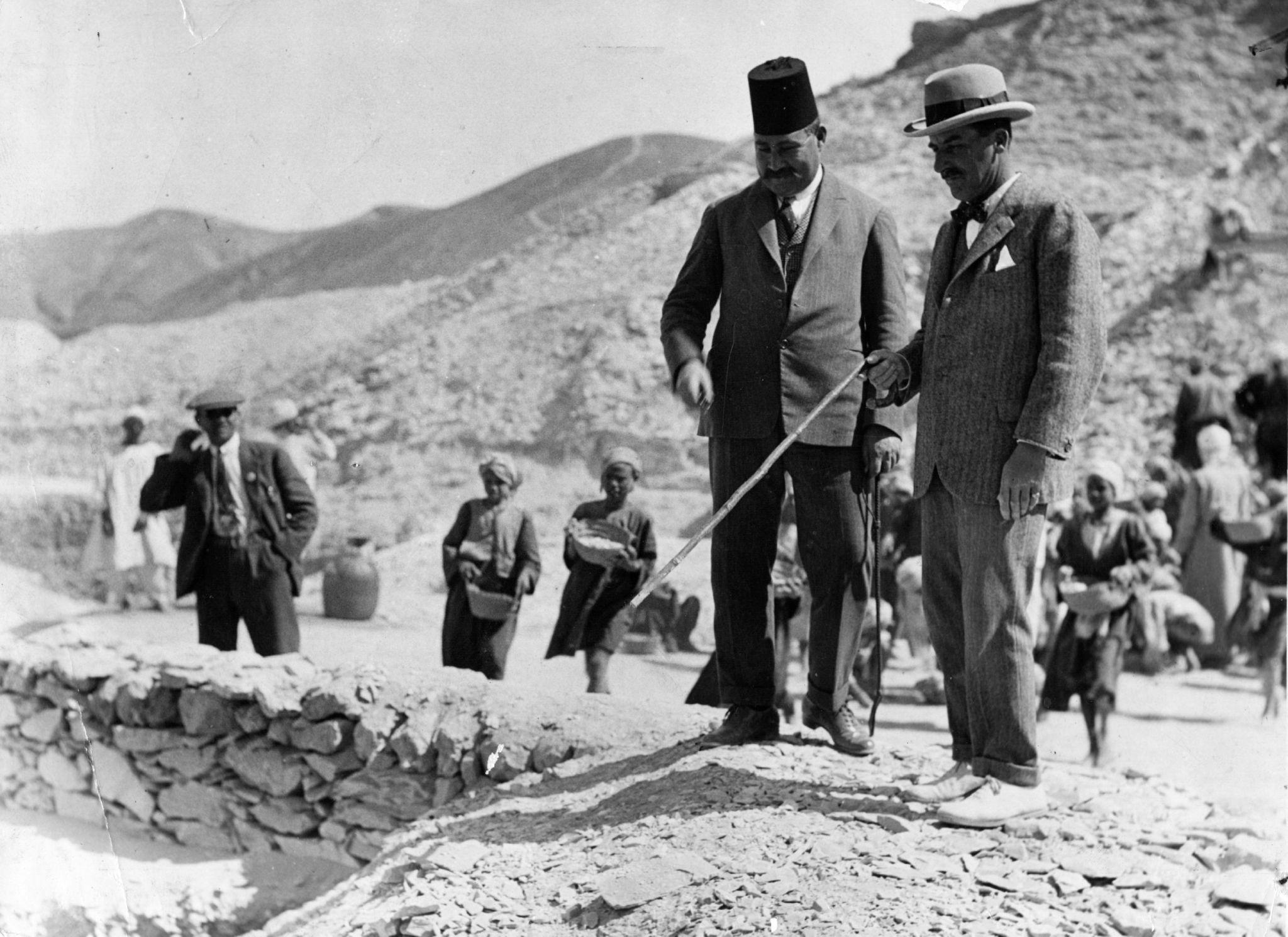
On March 6, 1923, the discovery of the tomb of Tutankhamun reached a new stage of global prominence as news and detailed reports from the excavation in Egypt spread worldwide, turning the find into one of the most celebrated archaeological events in modern history.

The discovery that captivated the world
The tomb of Tutankhamun had first been discovered months earlier in the Valley of the Kings by British archaeologist Howard Carter. Working with financial support from George Herbert, 5th Earl of Carnarvon, Carter had spent years searching the valley for an undiscovered royal burial.

By early 1923 the excavation had entered a critical phase. Archaeologists were carefully documenting the thousands of objects found inside the tomb while the international press followed every development with intense interest.

Download the MSTRpay app Download the MSTRpay app Download the MSTRpay app

On March 6, reports and images from the excavation circulated widely, cementing the discovery as a global cultural sensation.

An unprecedented archaeological treasure
Tutankhamun’s tomb proved extraordinary because it had survived largely intact for more than three millennia. Most royal tombs in Egypt had been looted in antiquity, leaving only fragments of their original contents.

In contrast, the tomb contained more than 5,000 artefacts, including gilded furniture, ceremonial chariots, jewellery, statues and ritual objects. These items offered historians and archaeologists a remarkably detailed view of royal life and burial practices during Egypt’s New Kingdom.

The burial chamber itself contained nested shrines surrounding a quartzite sarcophagus. Within these rested multiple coffins holding the mummy of the young pharaoh, including the now famous golden funerary mask that later became one of the most iconic symbols of ancient Egypt.

The boy king behind the legend
Tutankhamun ruled Egypt around 1332–1323 BCE and is often referred to as the “Boy King” because he ascended the throne as a child. His reign followed the controversial rule of Akhenaten, whose attempt to impose a form of monotheistic worship disrupted traditional Egyptian religion.

Tutankhamun restored the traditional gods and attempted to stabilise the kingdom, but he died at around 18 or 19 years of age. For centuries his name remained relatively obscure compared with other pharaohs.

Ironically, it was the survival of his tomb that transformed him into one of the most famous figures of the ancient world.

A discovery that reshaped Egyptology
The excavation of Tutankhamun’s tomb revolutionised the study of ancient Egypt. For the first time, archaeologists had access to a largely untouched royal burial containing thousands of objects still arranged close to their original positions.

The discovery also ignited worldwide fascination with Egyptian art, culture and history. Exhibitions of Tutankhamun’s treasures would later tour museums across the globe, attracting millions of visitors and inspiring generations of historians and archaeologists.

More than a century later, the discovery continues to influence both academic research and popular culture. The events surrounding the excavation in 1923 remain a defining moment in the history of archaeology.

Newshub Editorial in Africa – March 6, 2026

Ask NF GPT

If you have an account with ChatGPT you get deeper explanations,
background and context related to what you are reading.

Open article chat

Open an account:

Open an account
  • Global
  • Finance
  • Fintech
  • Press releases
  • NF GPT
Legal - Disclosure - Cookies

© 2022-2026
MSTRpay/Newshub Finance

Welcome Back!

Login to your account below

Forgotten Password?

Retrieve your password

Please enter your username or email address to reset your password.

Log In

Add New Playlist

No Result
View All Result
  • Global
    • Africa
      • Burundi
      • Ghana
      • Gambia
      • Senegal
    • Asia
      • Indonesia
      • Laos
      • Malaysia
      • South Korea
    • Caribbean
      • Central America
    • Climate & energy
      • Climate
      • Carbon
      • Coal
      • Disruptive
      • Gas
      • Nuclear
      • Oil
      • Solar
      • Water
      • Waves
      • Wind
      • Renewable
      • South America
    • Lifestyle
      • Best chefs
      • Cocktail of the week
      • History
      • Influential women
      • Newshub long-read
    • US politics
      • Epstein
    • War
  • Finance
    • Africa finance
    • Australia
    • Asia finance
    • Banking
    • Business of the week
    • Central Banks
    • China
    • Commodities
    • Corporate
    • Europe
    • Investment
    • Japan
    • MSTRpay
    • Neobanking
    • South East Asia
    • UK
    • US
  • Fintech
    • Tech
    • AI
    • Blockchain
  • Press releases
  • NF GPT

© 2022-2026
MSTRpay/Newshub Finance