
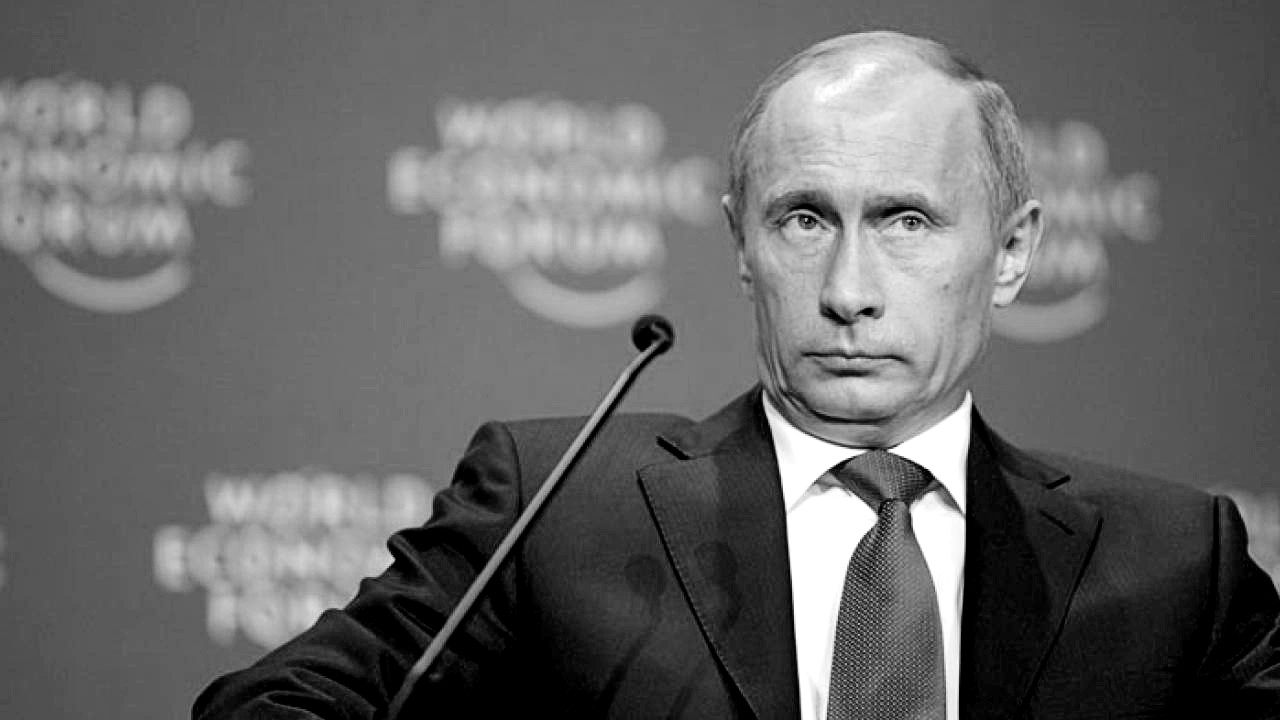
Ukrainian President Volodymyr Zelenskyy has warned that Russia’s full-scale invasion of Ukraine amounts to the beginning of a Third World War, accusing Vladimir Putin of dragging the international community into a global confrontation through sustained military aggression and destabilisation across Europe.
“This is no longer just about Ukraine”
Speaking in recent remarks to international media and allied leaders, Zelenskiy said Moscow’s actions had crossed a historic threshold, arguing that Russia’s campaign is not merely a regional conflict but part of a broader assault on democratic stability and global security.
“This is not only a war against Ukraine,” he said. “It is a war against freedom, against the rules-based world, and against the future security of Europe.” Zelenskiy stressed that Russia’s continued missile strikes on cities, energy infrastructure, and civilian targets demonstrate a deliberate strategy to intimidate neighbouring states and test the resolve of NATO and its partners.

He added that the scale of weapons deployments, cyber operations, disinformation campaigns and economic coercion already reflects the dynamics of a wider world conflict.
Escalation fears as battlefield pressure intensifies
Russia’s invasion of Ukraine, launched in February 2022, has evolved into Europe’s largest land war since 1945. While frontlines continue to shift only marginally, the human cost has mounted sharply, with thousands killed and millions displaced.
Western governments have increased military and financial support for Kyiv, supplying advanced air defence systems, armour and long-range capabilities. At the same time, Moscow has deepened cooperation with non-Western partners and expanded its use of drones and ballistic missiles, raising concerns about further escalation.
Security analysts say Zelenskiy’s language reflects growing anxiety that the conflict is becoming structurally global — involving supply chains, energy markets, food security and geopolitical alliances far beyond Eastern Europe.
A warning to allies — and a call to act
Zelenskiy has repeatedly urged allied nations not to treat the war as a distant crisis. He argues that delays in arms deliveries and political hesitation only embolden the Kremlin, increasing the risk of spillover into neighbouring states.
He also warned that Russia’s tactics — including targeting civilian infrastructure and leveraging energy exports as pressure tools — are already reshaping international norms of warfare.
“If Ukraine falls, others will follow,” Zelenskiy said, calling for faster military assistance, tighter sanctions enforcement, and sustained diplomatic unity.
Putin, for his part, continues to frame the invasion as a defensive operation against Western influence, a narrative rejected by Kyiv and most of the international community.
Global implications continue to deepen
Beyond the battlefield, the war has accelerated global realignments, pushing defence spending higher across Europe and forcing governments to reassess energy dependency and supply resilience. Financial markets have also been affected, with volatility tied to developments in Eastern Europe and fears of wider confrontation.
Zelenskiy’s stark assessment underscores what many policymakers already acknowledge privately: the conflict’s outcome will shape Europe’s security architecture for decades — and may define the trajectory of international relations in the 21st century.
As fighting continues, his message remains clear: the world is already inside a historic crisis, whether it chooses to recognise it or not.
Newshub Editorial in Europe – 23 February 2026

If you have an account with ChatGPT you get deeper explanations,
background and context related to what you are reading.
Open an account:
Open an account
Recent Comments