
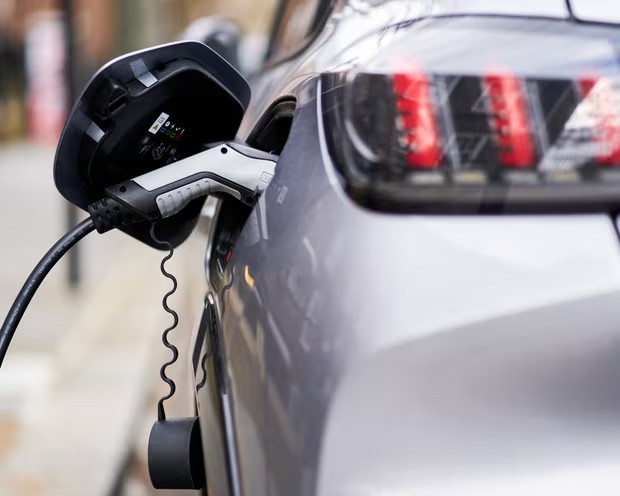
Britain’s carmakers are on track to meet their 2025 electric vehicle sales targets, despite months of heavy lobbying to relax government quotas. New figures show EVs made up just over a fifth of all new cars sold in the UK during the first half of the year, aligning closely with the target set under the government’s Zero Emission Vehicle (ZEV) mandate.
The mandate, which requires 22% of new car sales to be fully electric this year, has become a point of contention for automakers struggling with supply chain pressures, infrastructure concerns and sluggish private demand. But the latest data, buoyed by strong fleet orders and generous regulatory flexibilities, indicates that the target is within reach.
June saw a particularly strong performance, with electric vehicles accounting for approximately 25% of all new registrations. This surge—representing a 40% year-on-year rise—was largely driven by company car purchases and leasing fleets, where tax incentives and cost efficiencies have made EVs more attractive.

Yet behind the positive figures lies a more complex picture. While brands like Tesla, BMW and Kia have helped push the market forward, several mainstream manufacturers remain reliant on loopholes, including credits from future years and the inclusion of plug-in hybrids. Firms like Toyota, JLR and Nissan are using these measures to compensate for slower rollouts of fully electric models.
The government, under pressure from industry groups, has already softened the original ZEV rules. Penalties for non-compliance have been reduced, and the window for credit borrowing has widened. This has allowed the industry some breathing space—although critics argue it undermines long-term climate goals and sends mixed signals to consumers.
Private uptake remains a sticking point. Less than 15% of EVs sold so far this year have gone to individual buyers. High upfront costs, patchy charging infrastructure and anxiety over long-term policy stability continue to deter ordinary motorists from switching. The automotive industry has called for fresh support measures, including grants or VAT relief, to kickstart wider adoption.
The Labour government has indicated that further reforms may come, with Transport Secretary Jonathan Reynolds currently reviewing the framework for 2026. In the meantime, officials are urging manufacturers to ramp up investment in charging networks and accelerate the rollout of affordable electric models.
While the UK’s EV transition remains ahead of schedule on paper, its success depends on more than just hitting quotas. Without deeper public engagement and improved infrastructure, the risk is that progress will stall just as global competition heats up.
REFH – newshub finance
Recent Comments