
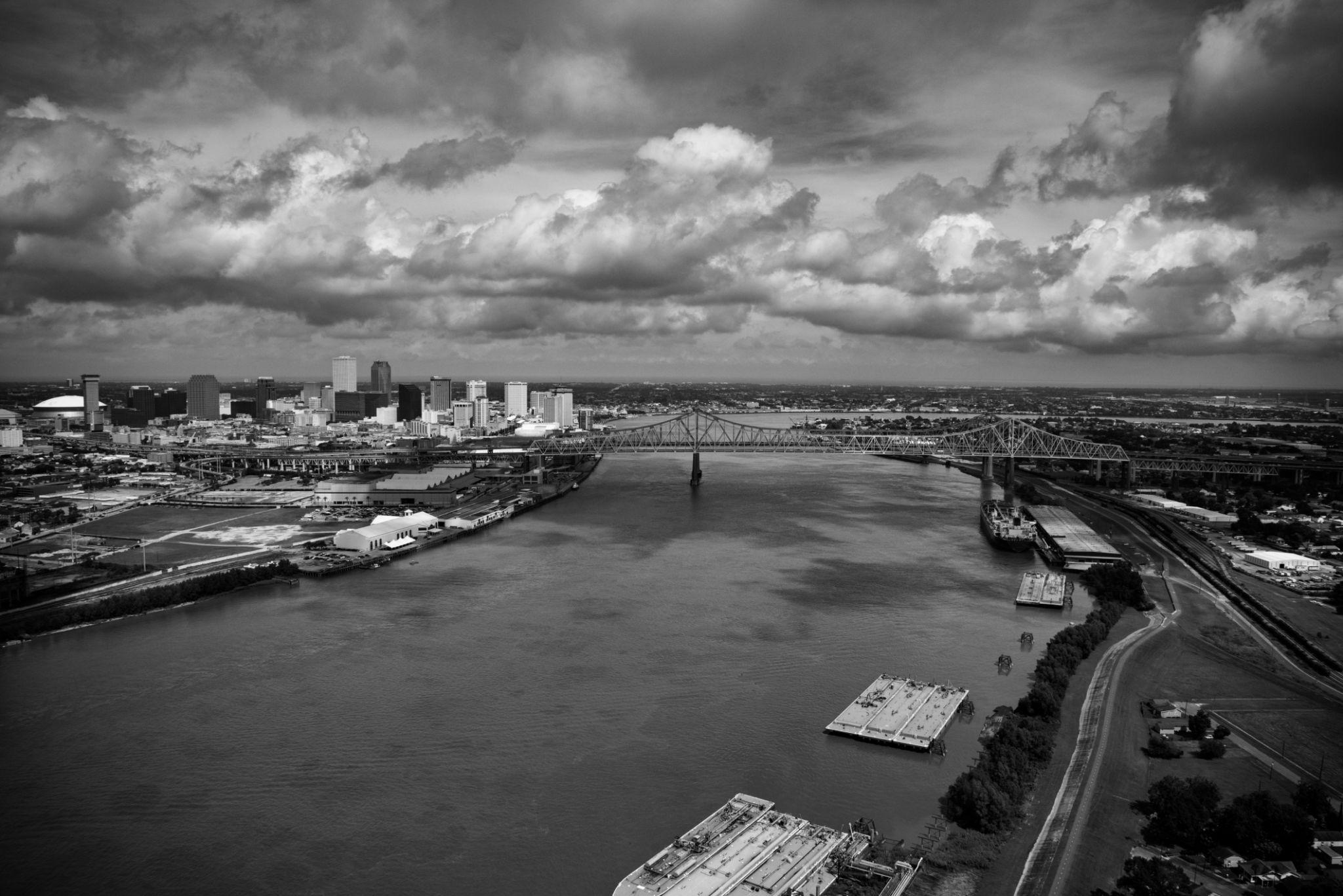
A new scientific study has warned that relocation planning for parts of New Orleans may need to begin immediately as rising sea levels, land subsidence and intensifying climate risks threaten the long-term future of one of America’s most culturally important cities. Researchers concluded that without major intervention, large areas surrounding New Orleans could become increasingly uninhabitable before the end of the century, with parts of the region potentially surrounded by Gulf waters.
Climate pressures intensify along the Gulf Coast
New Orleans has long faced environmental vulnerability due to its low elevation, coastal geography and exposure to hurricanes. Much of the city already sits below sea level and relies heavily on levees, pumps and flood protection systems.
However, scientists behind the latest study warned that climate-driven sea-level rise combined with ongoing land subsidence is accelerating risks faster than many previous projections suggested.

Researchers stated that some areas of coastal Louisiana are losing land at one of the fastest rates in the world. Wetlands that historically acted as natural barriers against storms and flooding continue disappearing due to erosion, industrial development and saltwater intrusion.
The study argued that adaptation measures alone may eventually become insufficient for some neighbourhoods and communities if current trends continue.
Relocation discussions becoming unavoidable
The report described parts of southern Louisiana as approaching a “point of no return” where managed retreat and long-term relocation planning may become unavoidable realities rather than theoretical policy discussions.
Scientists stressed that relocation does not necessarily mean abandoning New Orleans entirely, but rather beginning strategic planning regarding infrastructure, housing and vulnerable coastal populations.
The issue remains politically and socially sensitive because New Orleans is not only an economic centre but also one of the most historically and culturally distinctive cities in the United States.
Known globally for its music, cuisine, architecture and cultural heritage, the city plays a major role in American tourism and Gulf Coast commerce.
Analysts noted that discussions surrounding climate migration are becoming increasingly common in coastal regions worldwide as governments confront the long-term implications of rising seas.
Infrastructure costs continue rising
Federal and state authorities have already invested billions of dollars into flood protection systems following the devastation caused by Hurricane Katrina in 2005.
Those investments significantly improved levee systems and emergency preparedness. However, climate experts warned that stronger storms, heavier rainfall and rising water levels are increasing pressure on even upgraded infrastructure.
Insurance costs across coastal Louisiana have also risen sharply in recent years, creating growing economic pressure for homeowners and businesses.
The report highlighted that repeated flooding events, infrastructure maintenance costs and population displacement may gradually reshape economic activity across the region regardless of whether large-scale relocation officially begins.
Global climate warning grows stronger
The findings surrounding New Orleans reflect broader global concerns regarding coastal cities vulnerable to climate change. Major urban areas across Asia, Europe and North America face similar challenges linked to rising sea levels and extreme weather.
Scientists increasingly warn that climate adaptation strategies must now include long-term migration and land-use planning alongside traditional flood protection projects.
While debate continues regarding timelines and policy responses, researchers behind the study argued that delaying difficult decisions could significantly increase future economic and humanitarian costs.
For New Orleans, the report concluded that the coming decades may determine whether the city can continue adapting in place or whether parts of its population will eventually need to move inland permanently.
Newshub Editorial in North America – May 7, 2026

If you have an account with ChatGPT you get deeper explanations,
background and context related to what you are reading.
Open an account:
Open an account
Recent Comments