
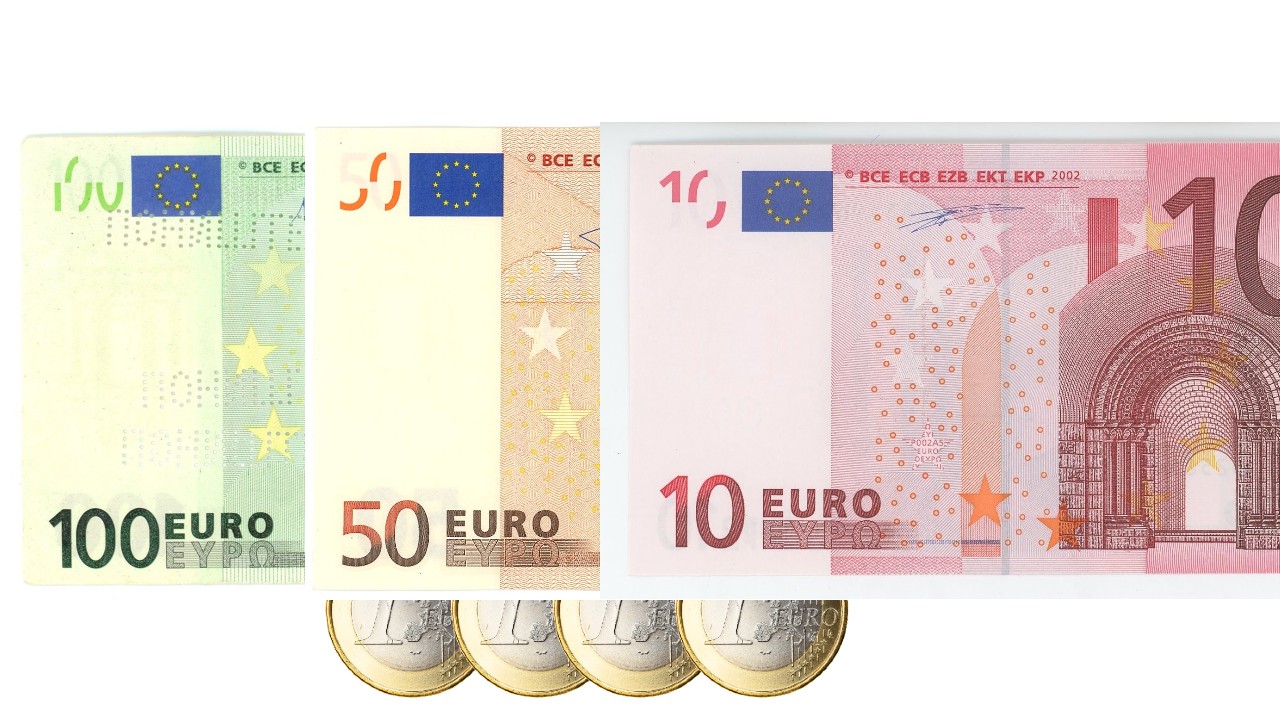
On January 1, 1999, the euro was officially launched as the single currency of the European Union, marking one of the most significant monetary reforms in modern history. While the physical banknotes and coins wouldn’t enter circulation until 2002, the currency began its life in digital form for financial transactions and accounting purposes.
The introduction of the euro was the culmination of decades of economic integration in Europe. Eleven countries initially adopted the new currency: Austria, Belgium, Finland, France, Germany, Ireland, Italy, Luxembourg, Netherlands, Portugal, and Spain. Greece joined two years later, in 2001, after meeting the required economic criteria.
The transition to the euro required extensive preparation and coordination among participating nations. Each country had to meet strict economic convergence criteria, known as the “Maastricht criteria,” which included requirements for inflation rates, government debt levels, and budget deficits. The European Central Bank (ECB) was established in Frankfurt, Germany, to manage the new currency and coordinate monetary policy across the eurozone.


The physical introduction of euro notes and coins on January 1, 2002, represented an unprecedented logistical challenge. Over 15 billion banknotes and 52 billion coins were produced and distributed across the participating countries. The operation required extensive security measures and coordination between national central banks, commercial banks, and retailers.
Citizens of participating countries had to adapt to the new currency, learning new denominations and converting prices from their former national currencies. To ease the transition, many businesses displayed prices in both the euro and the national currency during a dual-circulation period that typically lasted two months.
The euro’s introduction had profound economic and political implications. It eliminated exchange rate risk between participating countries, reduced transaction costs for businesses operating across borders, and created a more integrated European financial market. The single currency also became a powerful symbol of European unity and integration.
However, the euro’s implementation wasn’t without challenges. Critics argued that a single monetary policy for diverse economies could create difficulties, as countries would no longer be able to adjust their currency values or set independent interest rates to address economic challenges. These concerns would later prove prescient during the European debt crisis of 2009.
Despite these challenges, the euro has emerged as one of the world’s major currencies, second only to the U.S. dollar in international importance. The eurozone has since expanded to include 20 member states as of 2024, representing a population of over 340 million people.
newshub
On January 1, 1999, the euro was officially launched as the single currency of the European Union, marking one of the most significant monetary reforms in modern history. While the physical banknotes and coins wouldn't enter circulation until 2002, the currency began its life in digital form for financial transactions and accounting purposes.
Recent Comments