
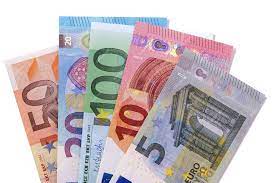
In the early hours of January 1, 2002, a historic event unfolded across 12 European countries, marking a significant step towards economic and political integration—the introduction of the euro as the official currency. The euro, symbolized by €, replaced the national currencies of participating nations, ushering in a new era of financial unity and collaboration.
The introduction of the euro was a culmination of decades of discussions and negotiations among European Union (EU) member states. The primary objectives were to foster economic stability, eliminate exchange rate uncertainties, and enhance the efficiency of cross-border transactions within the Eurozone. The participating countries, ranging from economic powerhouses like Germany and France to smaller nations like Ireland and Finland, embarked on a historic journey to share a common currency.
One of the most visible symbols of this transition was the dual display of prices in both national currencies and euros. Retailers and businesses adjusted to this change, with consumers quickly adapting to the new currency, facilitating a smooth transition. The euro banknotes and coins bore distinct designs reflecting the unity in diversity of the Eurozone, featuring architectural styles from various periods in European history.


The European Central Bank (ECB) played a crucial role in overseeing the monetary policy and ensuring the stability of the euro. With a commitment to maintaining price stability, the ECB emerged as a key institution in the Eurozone’s economic landscape. The euro’s introduction also marked the establishment of the Eurosystem, comprising the ECB and the national central banks of participating countries.
The benefits of the euro extended beyond economic considerations. The single currency fostered a sense of European identity and solidarity, symbolizing a shared destiny for the diverse nations within the Eurozone. It facilitated increased cross-border trade, tourism, and investment, creating a more interconnected and dynamic European economy.
However, the road to the euro was not without challenges. Some countries faced resistance from their populations, concerned about potential drawbacks such as loss of national identity and control over monetary policy. Nevertheless, the successful launch and subsequent stability of the euro showcased the resilience of the Eurozone and its commitment to overcoming obstacles in pursuit of a more integrated Europe.
Two decades since its introduction, the euro has become one of the world’s major reserve currencies, cementing its role in the global economic landscape. The euro’s journey reflects not only economic cooperation but also the broader vision of a united Europe. As the Eurozone continues to evolve, the introduction of the euro in 2002 stands as a testament to the determination of European nations to build a shared future based on common values and aspirations.
newshub
In the early hours of January 1, 2002, a historic event unfolded across 12 European countries, marking a significant step towards economic and political integration—the introduction of the euro as the official currency. The euro, symbolized by €, replaced the national currencies of participating nations, ushering in a new era of financial unity and collaboration.
Recent Comments