
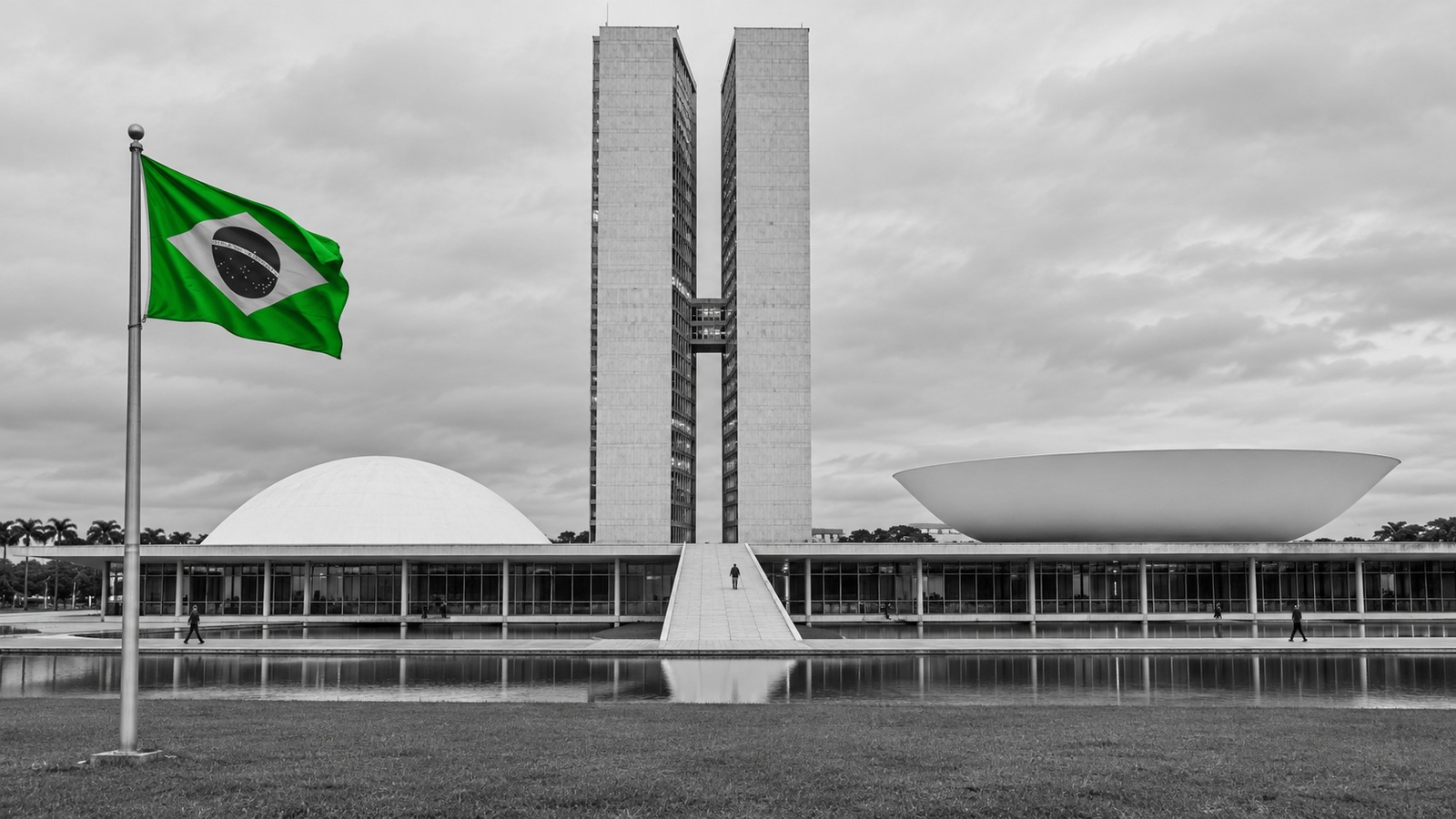
Brazil’s Senate approved a fiscal package on Wednesday that the government estimates could improve public finances by up to 60 billion reais ($10.3 billion) in 2027. The bill now goes to the Chamber of Deputies. The Brazilian real ended the day 1.5% weaker against the US dollar as investors weighed the country’s debt outlook and the prospect of higher US interest rates.
Spending curbs and tax changes
Senators completed voting on the package by 69 votes to two after reaching a compromise on federal transfers to states and municipalities. The government dropped a proposal to retain a larger share of those transfers in the coming years.
The bill would allow the government to freeze additional spending to meet its fiscal goals and apply a 2% cap on annual spending growth after inflation, below the 2.5% ceiling under the current framework. It would also reduce some tax breaks and restrict the use of certain tax credits. President Luiz Inácio Lula da Silva’s economic team sees the measures as central to meeting its 2027 primary surplus target of 0.5% of gross domestic product. That target excludes interest payments on public debt.


Debt concerns weigh on markets
Brazilian shares fell on Wednesday and yields on longer-dated bonds rose. The real has lost about 15% against the dollar since Lula won re-election in late October. Gross public debt has reached 82.9% of GDP, more than 11 percentage points higher than at the start of his current term.
Finance Minister Dario Durigan said the government would announce additional measures soon. He argued that stronger public finances could give the central bank more room to cut borrowing costs. The bank held its benchmark Selic rate at 13.75% earlier this month, pausing a series of cuts. Annual inflation reached 4.63% in October, above the upper end of the central bank’s target range.
Newshub Editorial in South America – 19 November 2026
Brazil’s Senate approved a fiscal package on Wednesday that the government estimates could improve public finances by up to 60 billion reais ($10.3 billion) in 2027. The bill now goes to the Chamber of Deputies. The Brazilian real ended the day 1.5% weaker against the US dollar as investors weighed the country’s debt outlook and the prospect of higher US interest rates.

Recent Comments