
The Midterm Shock, the Market Sell-Off and the Power of AI
An early assessment from the NHX Expert Team
6 November 2026
Our preliminary view
The US midterm election results appear to have been the immediate trigger for the latest technology sell-off. Investors quickly began pricing in the possibility that a changed political balance could bring more scrutiny of AI data-centre construction.


But the election alone does not explain the scale of the fall. Concerns about the cost of AI infrastructure, the financing behind it and the time needed to earn a return were already weighing on technology shares. The election appears to have brought those concerns to the surface.
Our early assessment is that the market is repricing the risks around AI investment. It is not yet showing that the underlying demand for AI has collapsed.
What happened
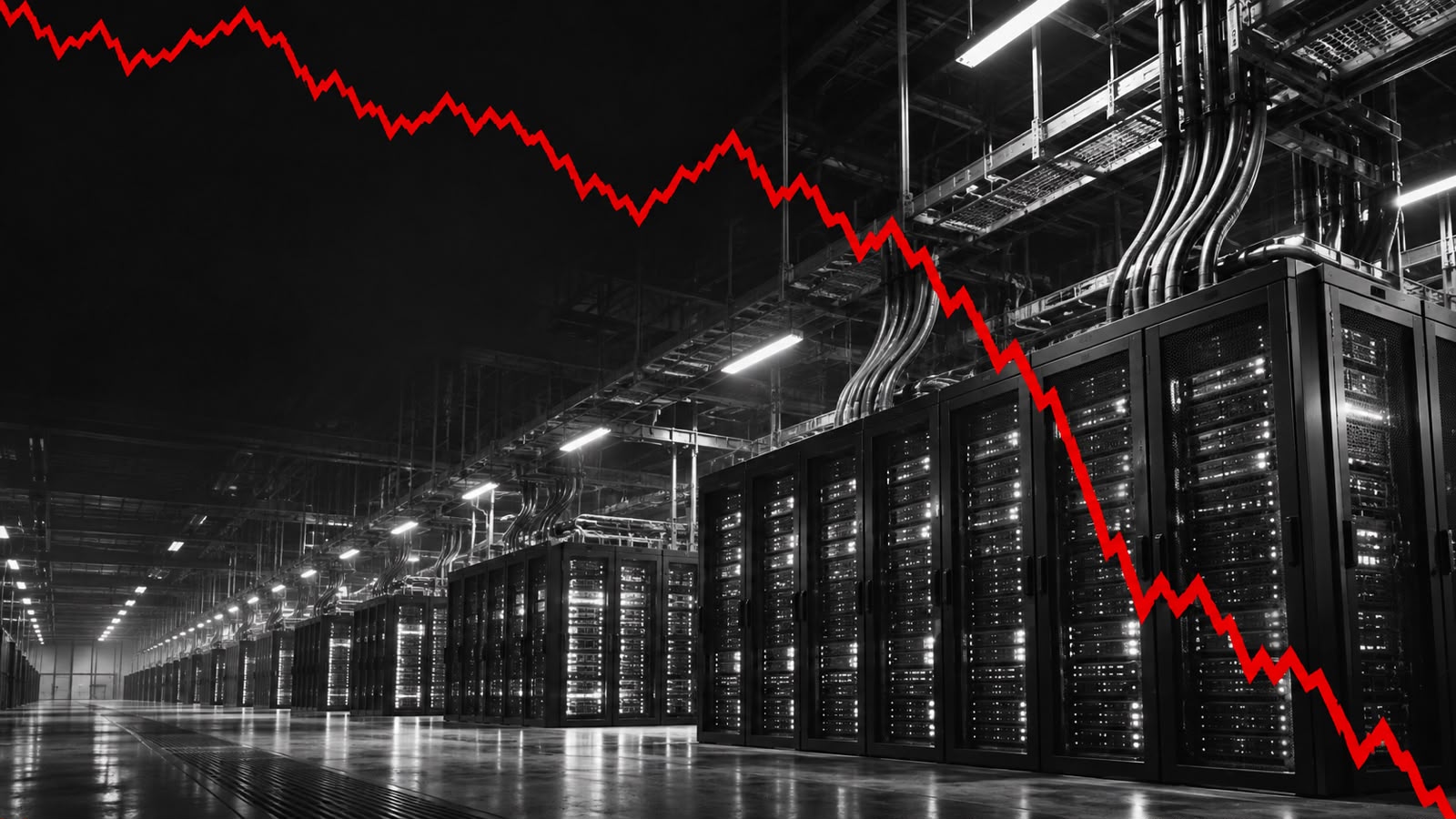
On Thursday, 5 November, the Nasdaq Composite fell 5.5%, the S&P 500 dropped 4.4% and the Dow Jones Industrial Average lost 3.4%. The semiconductor index fell 12.2%. Asian technology markets came under renewed pressure on Friday.
The immediate pressure came from several directions: concerns that a Democrat-controlled Congress could increase scrutiny of AI infrastructure, weak results from Qualcomm, and renewed questions about how quickly the enormous cost of data centres, chips and power will generate profits. Investors were also responding to a sharp rise in market volatility and moving to reduce risk.
The market’s reaction was striking. Shares initially rose after the election results, then reversed sharply the next day. That rapid change suggests the election acted as a catalyst in a market already sensitive to bad news. Reuters reported heavy hedging, retail selling and potential sales by leveraged funds as volatility increased.
The power of AI is visible in the business data
The technological and commercial expansion of AI is not merely a stock-market story.
Alphabet reported that Google Cloud revenue grew 103% year over year in the third quarter, reaching $30.7 billion. The company attributed the growth to demand for AI infrastructure and AI solutions, as well as other cloud services. Alphabet also reported rapid growth in its use of AI systems and products. These are company-reported figures, but they show that AI is already driving substantial commercial activity.
Microsoft reported 40% growth in Azure and other cloud services in its latest quarter, citing demand across workloads. It also said customer demand continued to exceed available capacity, while describing ongoing investment in the infrastructure needed to bring more capacity online.
These figures support a strong conclusion: AI demand is real, adoption is advancing, and major providers are investing to expand capacity. The technology’s potential is not in doubt simply because share prices have fallen.
Why strong demand does not settle the investment question
A growing market does not guarantee that every company in it will earn attractive returns. Data centres require huge upfront investment. They also depend on power, grid connections, chips, permits and financing. Delays or rising costs can weaken returns even when customers want more capacity.
That is the distinction the market is struggling with. Investors are not only asking whether AI will grow. They are asking how the value will be shared, how quickly investment will turn into cash flow, and whether the companies building capacity can earn enough to justify the cost.
This is a genuine business question. It is different from evidence that AI demand has suddenly disappeared.
Why the sell-off may have moved faster than fundamentals
Major technology companies and AI-related suppliers have become important drivers of market indices. When investors sell these shares together, the overall market can fall sharply even if underlying business conditions have not changed at the same speed.
Rising volatility can accelerate that process. Funds may reduce positions to stay within risk limits; leveraged products can need to rebalance; and investors who had crowded into the same trade may all try to leave at once. Reuters reported a jump in volatility, heavy hedging and large expected sales by leveraged funds during Thursday’s decline.
These mechanics do not prove that prices were right before the sell-off or that they are right now. They help explain why a political shock can produce a move much larger and faster than the change in company fundamentals on a single day.
NHX preliminary assessment
The midterm results were probably the immediate spark. The deeper fuel was already there: crowded AI positions, concern over investment returns, financing needs and the possibility of slower or more difficult infrastructure expansion.
The underlying AI story remains powerful. Recent cloud results show rapid growth, strong demand and continued investment. The uncertainty is about the economics of the build-out: who captures the profits, how soon they arrive, and whether they will justify the capital being committed.
For now, NHX views the sell-off as a sharp repricing of risk, amplified by market positioning—not as proof that the AI investment cycle has ended. The next evidence to watch is whether customer demand continues to translate into revenue, cash flow and returns on the infrastructure being built.
This is an early analytical assessment, not investment advice. Company figures are reported by the companies cited; market conditions and guidance can change.
The Midterm Shock, the Market Sell-Off and the Power of AI

Recent Comments