
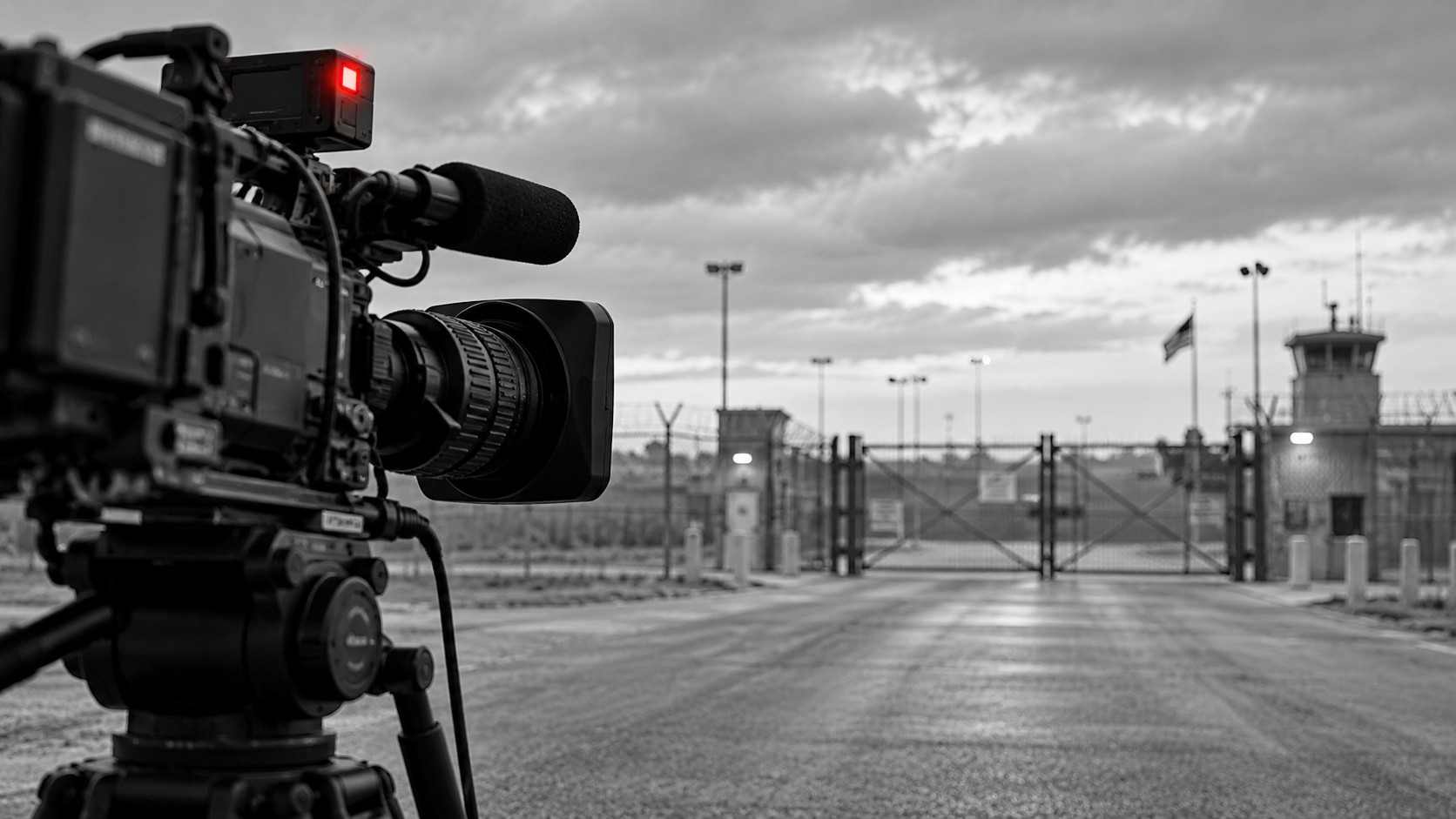
The Pentagon has confirmed plans to livestream the execution of Nidal Hasan, the former army psychiatrist convicted of killing 13 people at Fort Hood in 2009. Defence Secretary Pete Hegseth said the firing squad execution would be public, prompting questions about the legal basis and consequences of broadcasting a prisoner’s death.
Execution scheduled for December
Hasan is scheduled to be executed at Fort Hood, Texas, on 3 December. President Donald Trump approved the firing squad execution earlier this week following Hegseth’s recommendation.
The attack left 13 people dead and 32 others injured at the military installation. A military jury convicted Hasan in 2013 and sentenced him to death.


If carried out, the execution would be the first by the US military since 1961. Its last known executions by firing squad took place in 1945.
Hegseth defends public access
Speaking to Real America’s Voice, Hegseth said the public should be able to watch, arguing that the punishment would demonstrate the consequences of such crimes. Pentagon officials subsequently confirmed that a livestream was planned, with further details to follow.
The announcement did not explain how the broadcast would operate or what restrictions might apply to viewers. Public internet access would represent a significant departure from the limited witness arrangements normally associated with American executions.
Legal and ethical questions
Robin Maher, executive director of the Death Penalty Information Center, said there was no existing regulation or precedent for making an execution widely available through an internet broadcast.
A previous example involved the 2001 execution of Oklahoma City bomber Timothy McVeigh. Victims and relatives were offered access through closed-circuit television, rather than an unrestricted public transmission.
Legal specialists also said Hasan could pursue proceedings in civilian court that might delay the execution. The announced date therefore does not remove the possibility of further litigation.
Debate over transparency
Reactions among specialists have differed. Fordham University law professor Deborah Denno said broadcasting could increase transparency and help the public understand capital punishment.
Other experts questioned whether that objective justified public exposure of the condemned person’s death. The announcement has reopened debate about whether wider visibility provides accountability or risks turning punishment into a spectacle.
Newshub Editorial in North America – 9 October 2026
The Pentagon has confirmed plans to livestream the execution of Nidal Hasan, the former army psychiatrist convicted of killing 13 people at Fort Hood in 2009. Defence Secretary Pete Hegseth said the firing squad execution would be public, prompting questions about the legal basis and consequences of broadcasting a prisoner’s death.
Recent Comments