
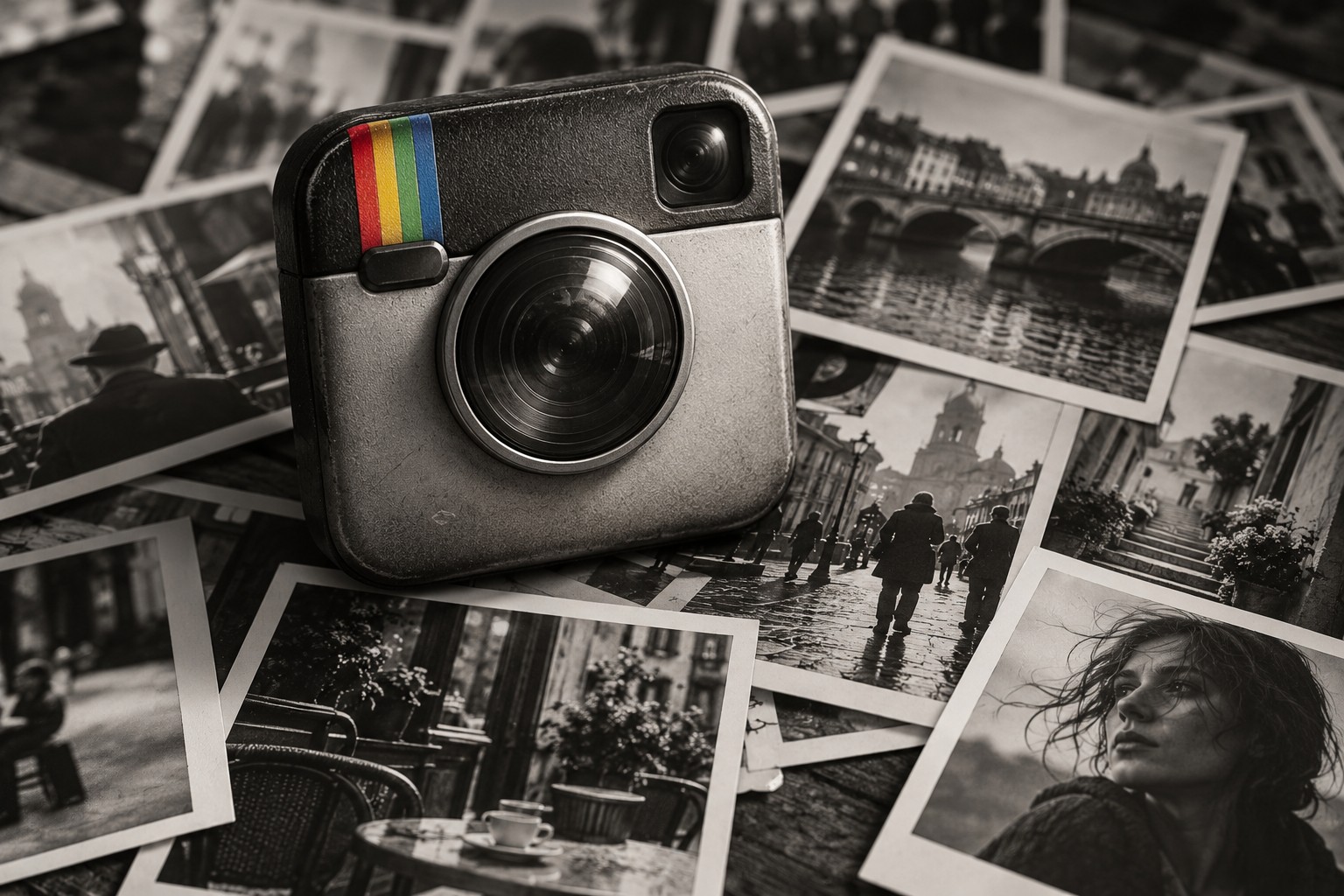
Instagram’s launch marked a turning point in mobile photography
On 6 October 2010, Instagram was released to the public in Apple’s App Store, offering iPhone users a simple way to edit and share photographs. Founded by Kevin Systrom and Mike Krieger, the application attracted around 25,000 users on its first day and became an early example of how smartphone technology could create a global consumer business.
From Burbn to photo sharing
Instagram grew out of Burbn, an application that combined location check-ins with social features. Systrom and Krieger subsequently narrowed the concept, concentrating on photographs and removing functions that complicated the experience. Their approach brought taking, editing and sharing pictures into a straightforward process designed for mobile phones.


Square photographs and built-in filters gave the application a distinctive appearance. Users could improve the look of everyday images without specialist software, while connections to other social networks helped their photographs reach audiences beyond Instagram itself. The launch coincided with the increasing popularity of smartphones, which were making cameras and internet access available throughout the day.
Rapid growth draws commercial attention
The initial response exceeded the founders’ expectations. Krieger later recalled that Systrom had anticipated 2,500 downloads on the first day, while his own estimate of 25,000 proved accurate. That demand put pressure on the small team responsible for keeping the service running.
By December 2010, Instagram had reached one million registered users. In April 2012, following further expansion and the introduction of an Android version, Facebook announced an agreement to acquire the company for approximately $1 billion in cash and shares. The transaction highlighted the growing strategic importance of mobile audiences to established technology companies.
A wider role in digital commerce
Instagram subsequently expanded into video, messaging and formats including Stories and Reels. Its development also created opportunities for retailers, hospitality businesses and independent creators to reach customers through visual content, advertising and commercial partnerships.
Sixteen years after its launch, Instagram’s early history illustrates the business significance of a focused product arriving alongside a broader technological shift. An application initially built around filtered photographs helped establish visual publishing as an everyday activity and became an influential channel for communication, marketing and consumer discovery.
Newshub Editorial in Europe – 6 October 2026
Instagram’s launch marked a turning point in mobile photography
Recent Comments