
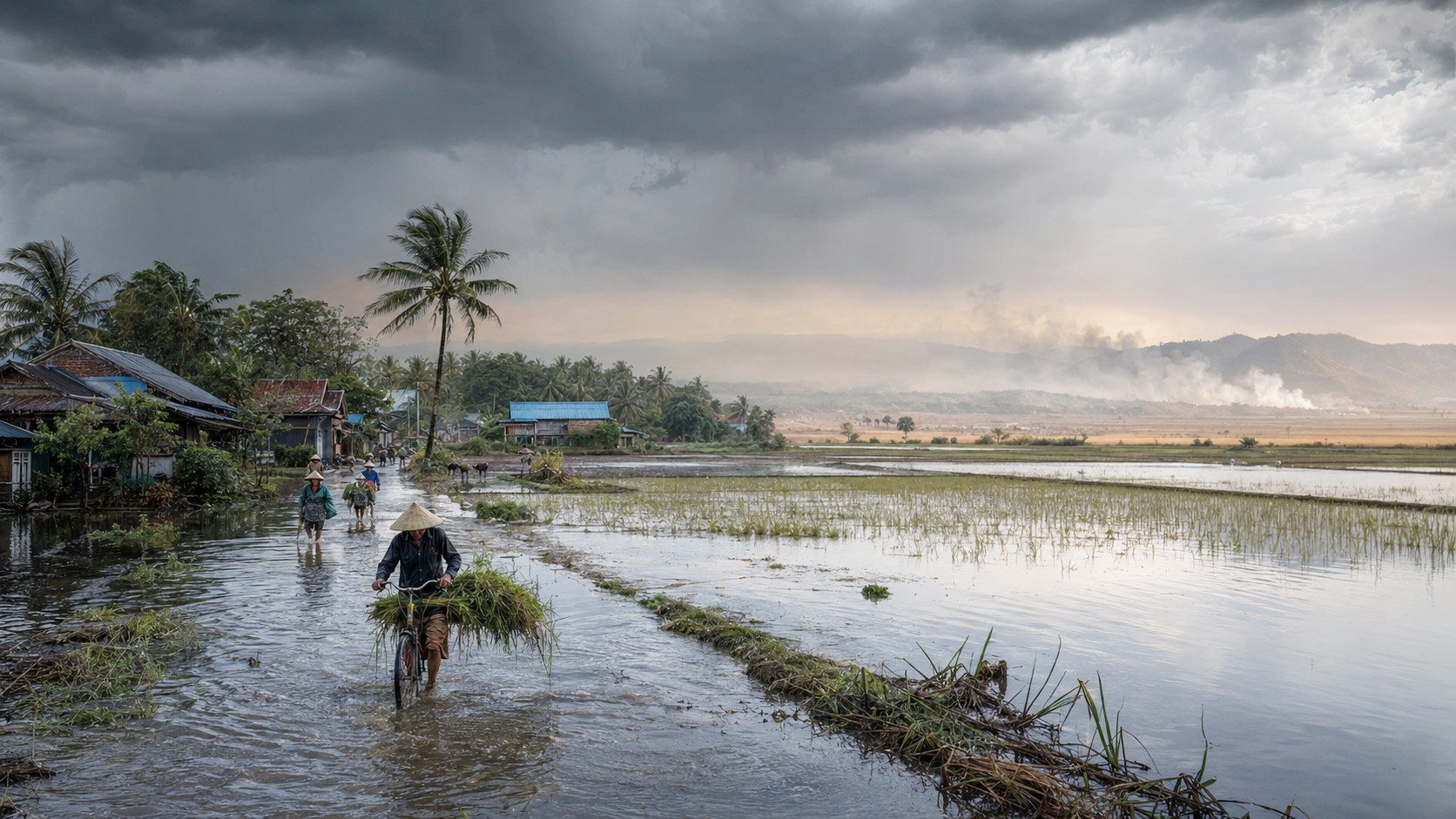
Climate warning intensifies across Asia
China’s National Climate Centre has warned that the developing El Niño could become the strongest ever recorded, raising the prospect of further floods, droughts, heatwaves and disruption to agriculture across Asia. Pacific Ocean temperatures are expected to continue rising before reaching their peak between November and December.
Warmer seas strengthen the threat
El Niño develops when surface waters in the central and eastern equatorial Pacific become unusually warm, altering atmospheric circulation and rainfall patterns around the world. The phenomenon occurs naturally, but its effects are now unfolding against a background of human-driven global warming and exceptionally high sea temperatures.
China’s latest forecast suggests that the current event could exceed previous records. The World Meteorological Organization had already warned that El Niño was likely to intensify between August and October, increasing global temperatures and producing significant changes in rainfall.

China counts the cost of extreme weather
China has experienced repeated weather emergencies during the summer, including torrential rain, flooding and powerful typhoons. Rain bands have overlapped in several regions, increasing the risk of landslides and overwhelming drainage systems.
Natural disasters during July left 318 people dead or missing and caused an estimated $8.5 billion in direct economic losses, according to government figures. The damage affected homes, roads, farmland and businesses across several provinces.
Typhoon Dolphin, the strongest storm to strike China this year, recently carried extreme rainfall far inland after a journey of approximately two weeks across the Pacific. The storm broke daily rainfall records at multiple monitoring stations and disrupted transport in eastern, central and northern China.
Agriculture faces growing uncertainty
El Niño could create sharply different conditions across Asia. Some areas may experience destructive rainfall and flooding, while others face extended heat and drought. Both outcomes threaten food production.
Rice, maize, wheat, palm oil and other crops are vulnerable to changes in temperature and rainfall. Farmers may encounter delayed planting, reduced yields, livestock stress and greater demand for irrigation. Lower production could eventually place upward pressure on regional food prices and increase the need for imports.
Water shortages could also affect hydropower generation and manufacturing, particularly in economies where factories depend on reliable reservoirs and river systems.
Southeast Asia prepares for drier weather
Regional forecasters expect below-normal rainfall across much of Southeast Asia between August and October, accompanied by above-normal temperatures. Southern parts of the ASEAN region are considered particularly exposed to persistent dry conditions.
The combination could increase the number of forest and peatland fires in Indonesia and surrounding areas. Smoke from these fires can cross national borders, damaging public health, reducing visibility and disrupting aviation and tourism.
A positive Indian Ocean Dipole is also forecast. Together with El Niño, this could amplify drought, floods and wildfire risks around the Indian Ocean basin.
Economic consequences could spread quickly
Extreme weather can interrupt ports, roads, factories and power networks, creating delays throughout international supply chains. Insurance losses, reconstruction costs and higher food and energy prices may place additional pressure on governments and businesses.
Countries with limited disaster protection are especially vulnerable, as repeated emergencies can consume funding intended for infrastructure, healthcare and development.
Preparedness becomes increasingly urgent
The precise effects will differ between countries, and seasonal forecasts cannot predict every local event. Nevertheless, governments are being urged to strengthen early-warning systems, protect water supplies and prepare emergency support for farmers and vulnerable communities.
The growing El Niño threat demonstrates how natural climate cycles can become more dangerous as global temperatures rise. For Asia, the coming months could provide another severe test of infrastructure, food security and regional economic resilience.
Newshub Editorial in Asia – 18 August 2026

Ask NF GPT
If you have an account with ChatGPT you get deeper explanations,
background and context related to what you are reading.
Recent Comments