
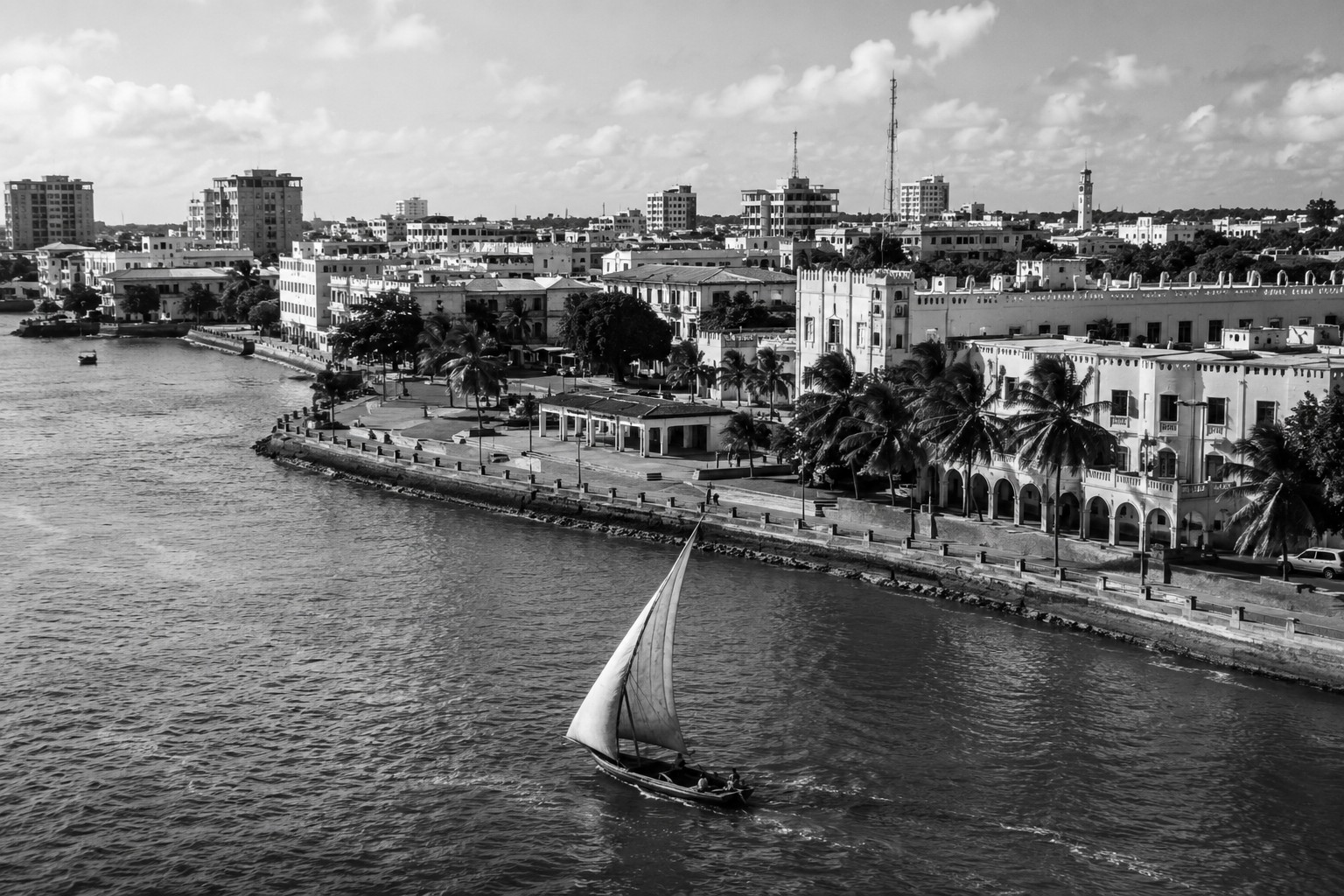
Africa strengthened its position in the global blue economy this week as the Our Ocean Conference in Mombasa brought together governments, international organisations, businesses and environmental groups to advance sustainable marine development. The gathering highlighted the continent’s growing leadership in protecting ocean ecosystems while unlocking economic opportunities for coastal communities.
Blue economy takes centre stage
Hosted in the Kenyan port city of Mombasa, the Our Ocean Conference focused on balancing marine conservation with economic growth. Delegates discussed practical strategies to strengthen fisheries, improve maritime security, expand sustainable tourism and accelerate investment in coastal infrastructure.

The conference reinforced the importance of Africa’s oceans as a driver of economic development, employment and food security. With more than 30,000 kilometres of coastline and millions of people relying directly on marine resources, sustainable management has become a strategic priority for many African nations.
Regional cooperation gains momentum
One of the conference’s central themes was strengthening cooperation between African coastal states. Participants emphasised the need for coordinated policies to combat illegal, unreported and unregulated fishing, reduce marine pollution and improve monitoring of territorial waters.
Regional partnerships are also expected to play an increasingly important role in attracting international investment into ports, renewable marine energy, aquaculture and climate-resilient coastal infrastructure. Governments highlighted that shared approaches can improve both environmental protection and long-term economic competitiveness.
Climate resilience remains a priority
Climate change featured prominently throughout the discussions as rising sea levels, coastal erosion and warming ocean temperatures continue to threaten ecosystems and local livelihoods. Delegates called for increased financing to help vulnerable coastal communities adapt to changing environmental conditions.
Marine conservation initiatives, including the expansion of protected areas and the restoration of mangrove forests and coral reefs, were presented as essential tools for preserving biodiversity while strengthening natural defences against extreme weather events.
Several international partners also reaffirmed support for projects aimed at improving ocean research, sustainable fisheries management and marine biodiversity protection across the continent.
Looking beyond the conference
The outcomes of the Mombasa meeting are expected to influence future regional policies and international cooperation on ocean governance. While implementation remains the key challenge, participants expressed optimism that the commitments made during the conference will accelerate progress towards a more sustainable and inclusive blue economy.
As Africa continues to expand its maritime industries, the conference demonstrated that economic development and environmental stewardship are increasingly being viewed as complementary objectives. With growing international attention and stronger regional collaboration, the continent is positioning itself as a leading voice in shaping the future of sustainable ocean management.
Newshub Editorial in Africa – 3 July 2026

If you have an account with ChatGPT you get deeper explanations,
background and context related to what you are reading.
Open an account:
Open an account
Recent Comments