
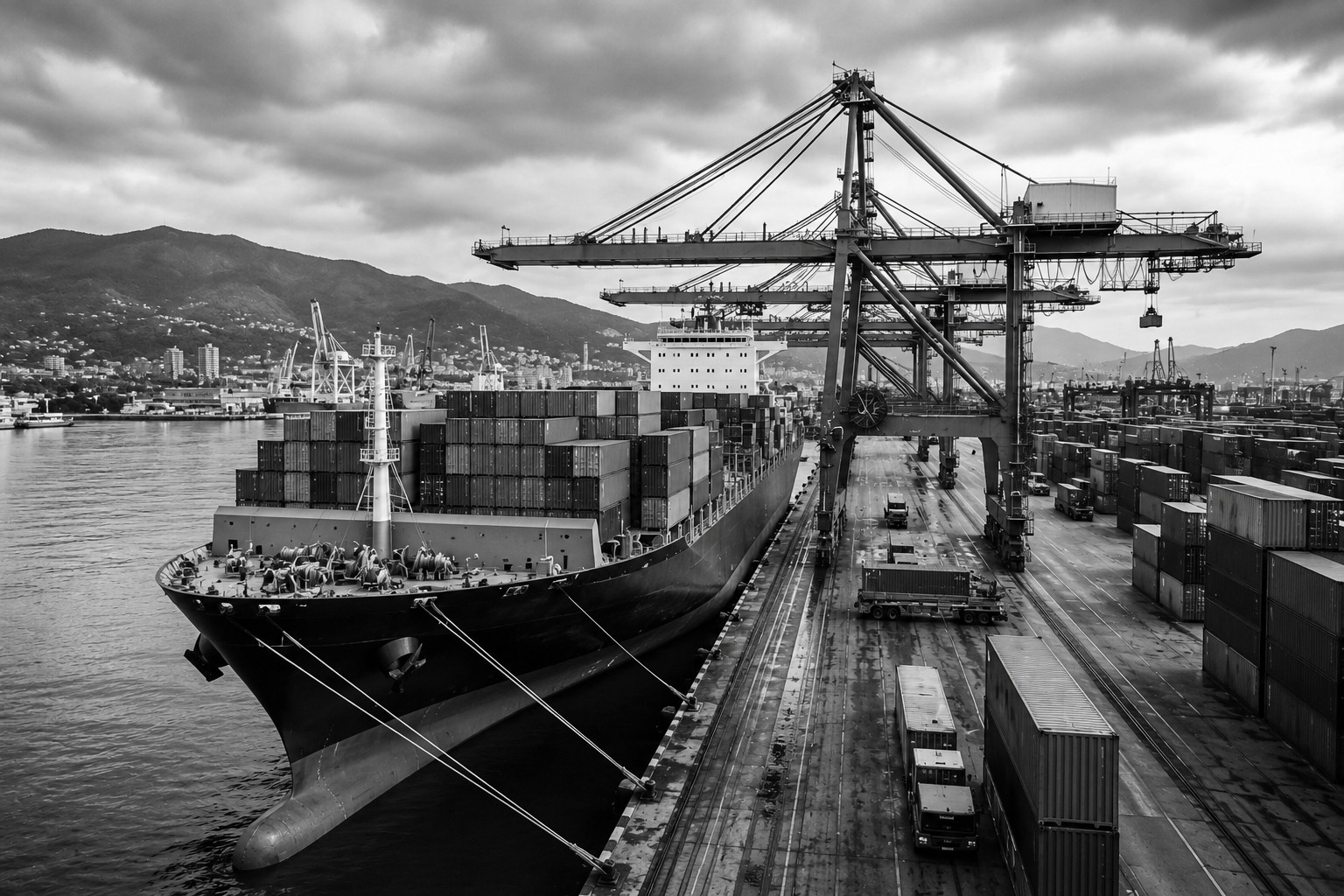
Trade between Latin America and China continues to expand at a remarkable pace, highlighting Beijing’s growing economic influence across the region. According to new data from the Inter-American Development Bank (IDB), exports from Latin America and the Caribbean to China increased by approximately 25% during the first quarter of 2026 compared with the same period a year earlier. The figures underline China’s continuing importance as one of the region’s largest trading partners, even as geopolitical tensions reshape global commerce.
Commodity demand drives growth
Much of the increase has been fuelled by China’s sustained demand for commodities that are critical to its industrial and technological ambitions.
Copper exports from Chile and Peru remain among the largest contributors to regional trade, while Brazil continues to benefit from strong Chinese purchases of iron ore, soybeans and crude oil. Agricultural exports from Argentina have also remained resilient despite fluctuations in global food prices.

Overall, exports from Latin America rose by nearly 16% during the quarter, demonstrating that external demand remains robust despite slower global economic growth.
China deepens its regional presence
China has spent the past two decades steadily expanding its economic footprint across Latin America through trade, infrastructure investment and financing.
Today, China is either the largest or second-largest trading partner for many countries in South America. Beyond commodity imports, Chinese companies continue investing in renewable energy projects, mining operations, ports, railways and telecommunications infrastructure throughout the region.
These investments have strengthened commercial ties while providing Latin American governments with alternative sources of financing beyond traditional Western institutions.
Opportunities and challenges
The rapid expansion of trade presents significant opportunities for Latin American economies.
Higher export revenues support government finances, create employment and generate foreign exchange earnings. Countries rich in natural resources are particularly well positioned to benefit from continued Chinese demand for metals required in electric vehicles, renewable energy infrastructure and advanced manufacturing.
However, economists also warn that heavy dependence on commodity exports exposes many countries to fluctuations in global prices and Chinese economic activity. Diversifying exports into higher value-added manufacturing and services remains an important long-term objective for much of the region.
Global trade patterns continue to evolve
The latest figures illustrate a broader shift in international trade.
While the United States remains the dominant trading partner for much of Latin America, commercial ties with China have expanded rapidly over the past decade. The trend reflects China’s growing role as both a consumer of raw materials and an investor in emerging markets.
Analysts believe the relationship will continue to strengthen as China pursues long-term strategies to secure supplies of critical minerals and agricultural products while supporting overseas infrastructure development.
A strategic partnership for the future
Despite ongoing geopolitical uncertainty and changes in global supply chains, the latest trade data suggest that economic cooperation between Latin America and China remains firmly on an upward trajectory.
For governments across the region, maintaining balanced relationships with both China and Western economies will become increasingly important as competition between the world’s largest economic powers intensifies.
With demand for commodities expected to remain strong and infrastructure investment continuing, Latin America’s economic relationship with China appears set to remain one of the defining features of global trade in the years ahead.
Newshub Editorial in South America – 17 June 2026

If you have an account with ChatGPT you get deeper explanations,
background and context related to what you are reading.
Open an account:
Open an account
Recent Comments