
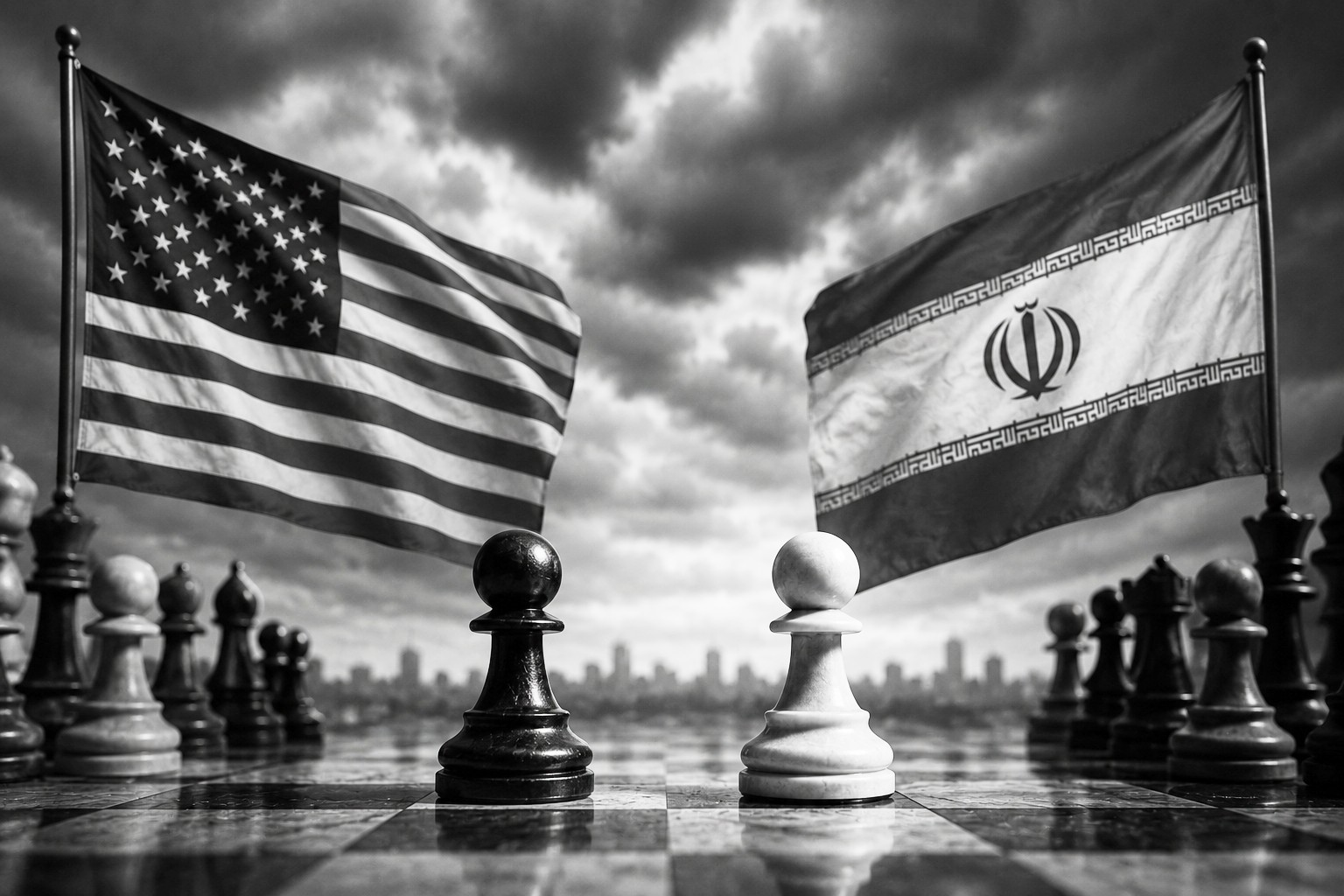
The path towards a potential agreement between the United States and Iran continues to be marked by abrupt policy shifts, conflicting public statements and persistent uncertainty. Despite increasingly optimistic remarks from officials on both sides, major differences remain unresolved, leaving investors and regional observers cautious about whether a breakthrough can truly be achieved.
Conflicting messages fuel uncertainty
Negotiations have entered another volatile stage as both Washington and Tehran continue to alternate between diplomatic optimism and sharp rhetoric. US President Donald Trump has repeatedly suggested that an agreement is close, while also warning that military options remain available should talks collapse. Iranian officials, meanwhile, have welcomed progress but insist that no final agreement has yet been reached and that several critical issues remain under negotiation.
This pattern of alternating encouragement and confrontation has complicated diplomatic efforts. Markets have reacted quickly to each new development, with oil prices and global equities moving sharply as investors attempt to interpret every official statement.

Key obstacles remain unresolved
At the centre of the negotiations are several longstanding disputes, including sanctions relief, access to frozen Iranian assets, freedom of navigation through the Strait of Hormuz and the future framework for discussions surrounding Iran’s nuclear programme. While reports suggest that negotiators have narrowed differences on several technical issues, neither side appears willing to concede on matters considered politically sensitive at home.
Iran continues to seek tangible economic guarantees before making further commitments, while the United States is pressing for stronger verification measures and assurances regarding Iran’s nuclear activities. Both governments also face domestic political pressures that limit their negotiating flexibility.
Markets remain highly sensitive
Financial markets have become increasingly responsive to every twist in the negotiations. Hopes of a diplomatic breakthrough have generally weighed on oil prices, reflecting expectations that energy exports and shipping through the Strait of Hormuz could gradually normalise if tensions ease. Conversely, renewed threats or reports of military activity have quickly reversed market sentiment.
The uncertainty extends beyond energy markets. Currency markets, equities and commodities have all experienced heightened volatility as investors weigh the potential economic consequences of either a comprehensive agreement or another breakdown in negotiations.
Diplomacy continues despite volatility
Despite the often-chaotic public messaging, negotiators continue to meet and maintain communication through various diplomatic channels. Several reports indicate that a preliminary framework or memorandum of understanding remains under discussion, although significant work would still be required before any comprehensive agreement could be finalised.
Whether the current round of diplomacy ultimately succeeds remains uncertain. However, both Washington and Tehran appear to recognise the substantial economic and geopolitical costs of allowing tensions to escalate further. That shared understanding may provide sufficient incentive to keep negotiations alive, even as the political rhetoric continues to fluctuate.
Newshub Editorial in Asia – 13 June 2026

If you have an account with ChatGPT you get deeper explanations,
background and context related to what you are reading.
Open an account:
Open an account
Recent Comments