
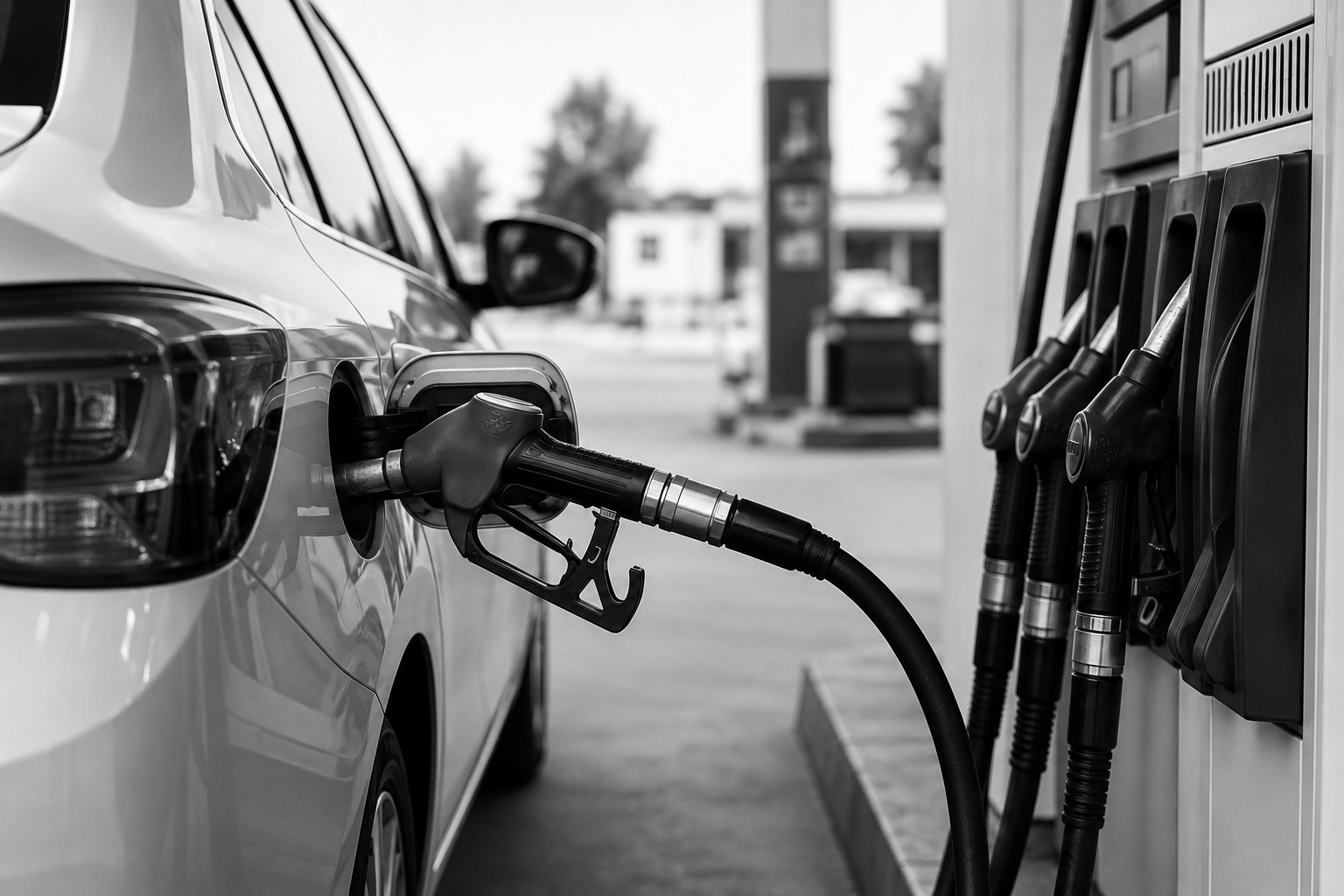
The Indian government has introduced temporary restrictions preventing industrial, commercial and institutional consumers from purchasing petrol and diesel at retail fuel stations, while also capping diesel sales at 200 litres per customer or vehicle per day. The measures are designed to safeguard fuel supplies for ordinary motorists amid heightened pressure on global petroleum supply chains.
New rules target bulk fuel buyers
Under the new regulations, large industrial and commercial users must obtain petrol and diesel through designated bulk supply channels rather than public retail fuel stations.

In addition, petrol stations have been instructed not to dispense more than 200 litres of diesel per customer or vehicle each day, with diesel sales restricted to vehicle fuel tanks or approved containers. The government has also prohibited the resale of diesel purchased under the retail system.
Protecting supplies for ordinary consumers
Officials said the restrictions were introduced after industrial users increasingly turned to retail fuel stations to take advantage of significantly lower pump prices compared with bulk supply rates.
This shift led to unusually high demand at retail outlets in several parts of the country, creating the risk of local fuel shortages and disrupting supplies intended for private motorists and small businesses. The government said the measures are necessary to ensure equitable distribution and prevent hoarding or diversion of fuel.
Middle East tensions add pressure
The latest policy comes as global petroleum markets continue to face disruption following the conflict in the Middle East, which has affected shipping routes, supply chains and international fuel prices.
India has sought to shield retail consumers from rising global oil prices by keeping pump prices relatively stable. However, the resulting gap between retail and bulk fuel prices encouraged many commercial operators to purchase fuel at ordinary petrol stations instead of using dedicated bulk suppliers.
Restrictions set for up to 90 days
The emergency measures are expected to remain in force for up to 90 days, although authorities have the option to withdraw or extend them depending on market conditions.
State governments, oil marketing companies and local authorities have also been instructed to monitor fuel sales closely and take action against hoarding, black marketing and other practices that could disrupt supplies. Violations may be prosecuted under India’s Essential Commodities Act.
Balancing supply and stability
The restrictions reflect the growing challenge governments face in balancing energy affordability with supply security during periods of geopolitical uncertainty.
While the measures are likely to increase procurement costs for industrial fuel users, officials argue they are necessary to maintain uninterrupted access to petrol and diesel for millions of ordinary consumers who rely on retail fuel stations each day.
Newshub Editorial in Asia – 12 June 2026

If you have an account with ChatGPT you get deeper explanations,
background and context related to what you are reading.
Open an account:
Open an accountThe Indian government has introduced temporary restrictions preventing industrial, commercial and institutional consumers from purchasing petrol and diesel at retail fuel stations, while also capping diesel sales at 200 litres per customer or vehicle per day. The measures are designed to safeguard fuel supplies for ordinary motorists amid heightened pressure on global petroleum supply chains.
Recent Comments