
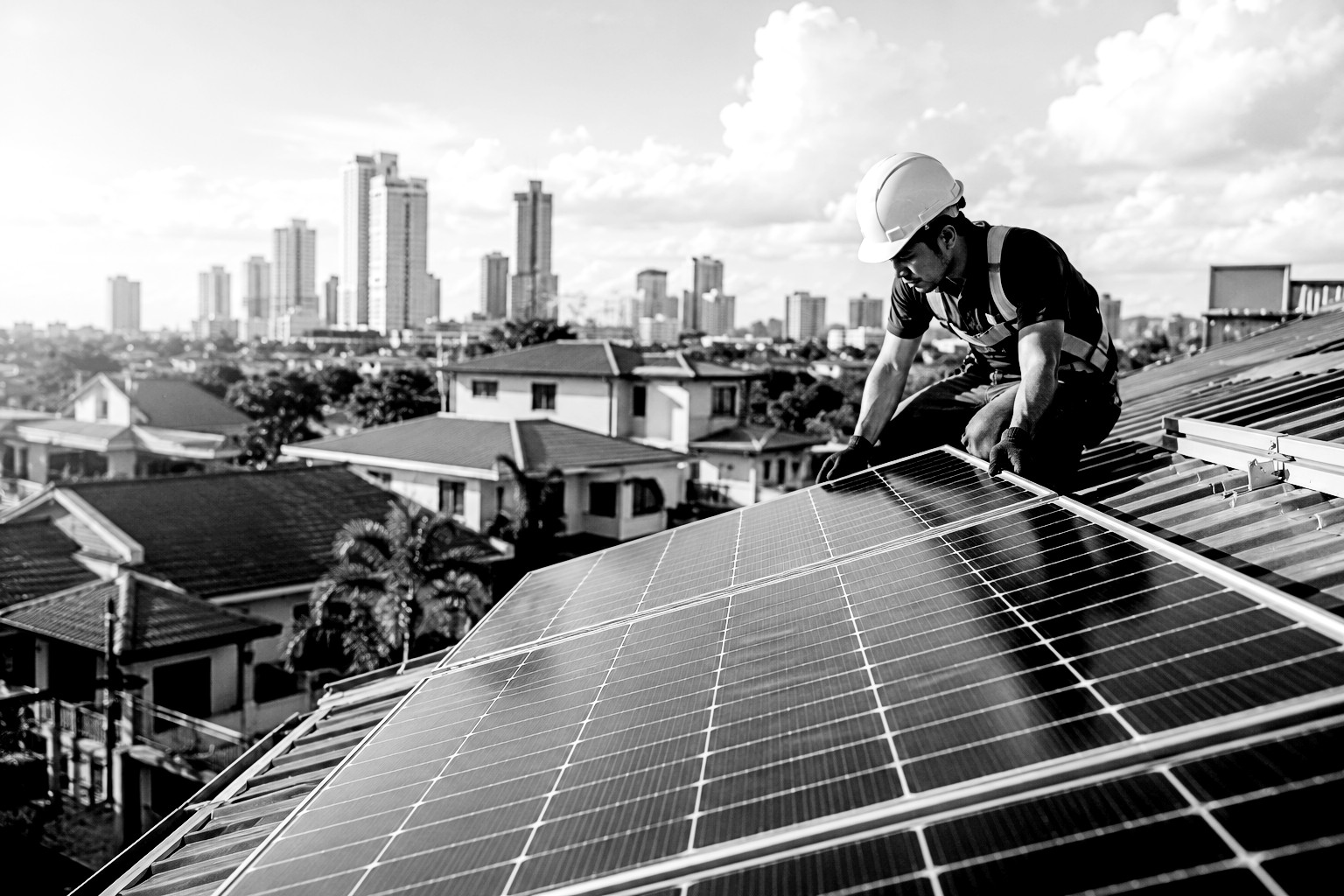
Solar energy is increasingly shifting from a luxury home improvement project to a practical financial decision for households and businesses across the Philippines. As electricity prices continue to rise and concerns over grid reliability remain, more consumers are turning to rooftop solar systems as a way to reduce long-term energy costs and improve energy security.
A changing energy equation
For many years, solar installations were often viewed as an option primarily for affluent homeowners willing to invest heavily in renewable energy. High upfront costs and limited financing options placed solar systems beyond the reach of many families.
Today, however, the economic case has become more compelling. Advances in technology, declining equipment costs, and growing awareness of energy savings have made solar power increasingly accessible to a broader segment of the population.

At the same time, rising electricity tariffs have encouraged consumers to seek alternatives that can provide greater control over household and business energy expenses.
Businesses seek stability
The trend extends beyond residential users. Small and medium-sized enterprises are also investing in solar solutions to reduce operating costs and mitigate the impact of fluctuating energy prices.
For businesses that rely heavily on refrigeration, manufacturing equipment, air conditioning, or data systems, electricity represents a significant portion of operating expenses. Generating part of their own power can improve financial predictability and enhance competitiveness.
Many companies also view renewable energy adoption as part of broader sustainability and environmental commitments.
Energy security becomes a priority
Power interruptions and grid challenges have added another dimension to the solar conversation. Consumers increasingly see solar energy as a tool for improving resilience during outages and periods of supply instability.
While grid-connected solar systems remain the most common option, growing interest in battery storage solutions reflects a desire for greater energy independence. Combining solar generation with energy storage allows households and businesses to maintain access to electricity even when grid disruptions occur.
Government and industry support
Industry participants believe continued growth in solar adoption will depend on supportive policies, financing options, and public awareness initiatives. Expanding access to affordable installation programmes and encouraging private-sector investment could accelerate the country’s renewable energy transition.
The Philippines has significant solar potential due to its geographic location and year-round exposure to sunlight, making solar power one of the country’s most promising renewable energy resources.
Looking ahead
As energy costs remain a major concern for consumers, solar power is increasingly being viewed not only as an environmental choice but as a financial strategy. What was once considered a premium upgrade is rapidly becoming a mainstream investment, helping households and businesses lower costs while strengthening their long-term energy security.
Newshub Editorial in Asia – 11 June 2026

If you have an account with ChatGPT you get deeper explanations,
background and context related to what you are reading.
Open an account:
Open an accountSolar energy is increasingly shifting from a luxury home improvement project to a practical financial decision for households and businesses across the Philippines. As electricity prices continue to rise and concerns over grid reliability remain, more consumers are turning to rooftop solar systems as a way to reduce long-term energy costs and improve energy security.
Recent Comments