
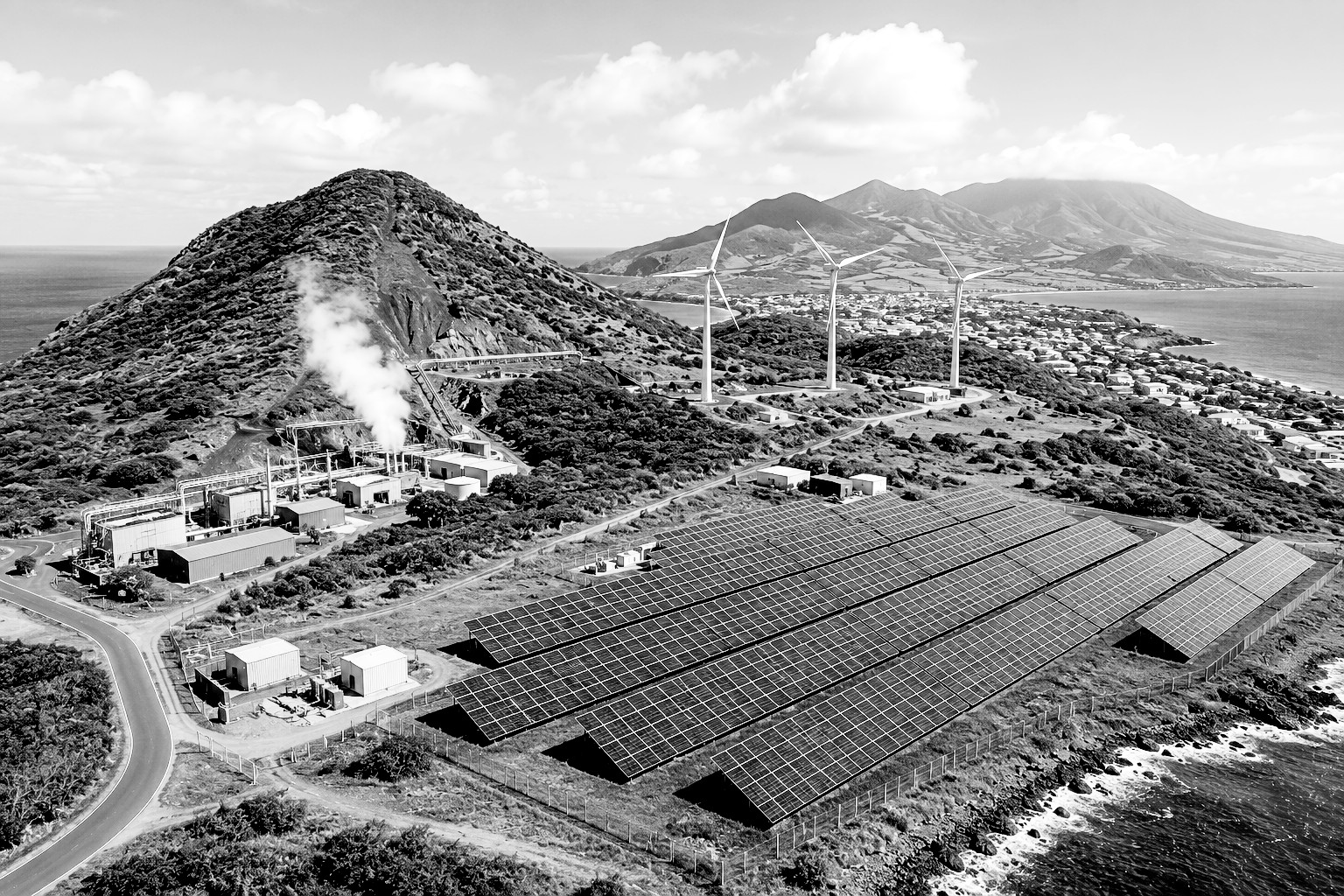
The government of St Kitts and Nevis has launched a major initiative aimed at achieving 100 percent renewable electricity generation, marking a significant milestone in the Caribbean nation’s efforts to build a sustainable, resilient, and low-carbon energy system. The programme forms part of a broader strategy to reduce dependence on imported fossil fuels while strengthening energy security and supporting long-term economic development.
Ambitious energy transition underway
The initiative represents one of the most ambitious renewable energy programmes in the Caribbean. Government officials have outlined plans to accelerate investments in clean energy infrastructure, modernise electricity generation, and expand the use of renewable resources across both islands.

The transition is expected to reduce fuel import costs, lower exposure to global energy price volatility, and contribute to international climate commitments.
Officials believe the move will create a more stable and sustainable energy future for households, businesses, and public institutions.
Geothermal energy at the centre
A key component of the strategy is the development of geothermal energy resources, particularly on Nevis, where significant geothermal potential has been identified.
Geothermal power offers the advantage of providing continuous baseload electricity generation, unlike some renewable sources that depend on weather conditions. If successfully developed, geothermal facilities could become a cornerstone of the Federation’s energy supply.
The government is also exploring complementary investments in solar power, battery storage systems, and grid modernisation technologies.
Economic and environmental benefits
The transition to renewable energy is expected to generate multiple economic benefits, including job creation, infrastructure investment, and improved competitiveness through lower energy costs.
Environmental gains are also anticipated through reductions in greenhouse gas emissions and decreased reliance on imported diesel and heavy fuel oil for electricity production.
Energy experts have increasingly pointed to renewable power as a strategic opportunity for island nations seeking to improve both sustainability and economic resilience.
A model for the Caribbean
As climate change and energy security remain major concerns across the Caribbean, St Kitts and Nevis is positioning itself as a potential regional leader in renewable energy development.
Analysts note that successful implementation of the programme could serve as a model for other small island states pursuing similar goals. The initiative demonstrates how renewable technologies, coupled with supportive government policies, can help accelerate the transition towards cleaner and more resilient energy systems.
With planning and development activities now advancing, the Federation has taken another important step towards achieving its vision of generating all electricity from renewable sources in the years ahead.
Newshub Editorial in North America – 6 June 2026

If you have an account with ChatGPT you get deeper explanations,
background and context related to what you are reading.
Open an account:
Open an account
Recent Comments