
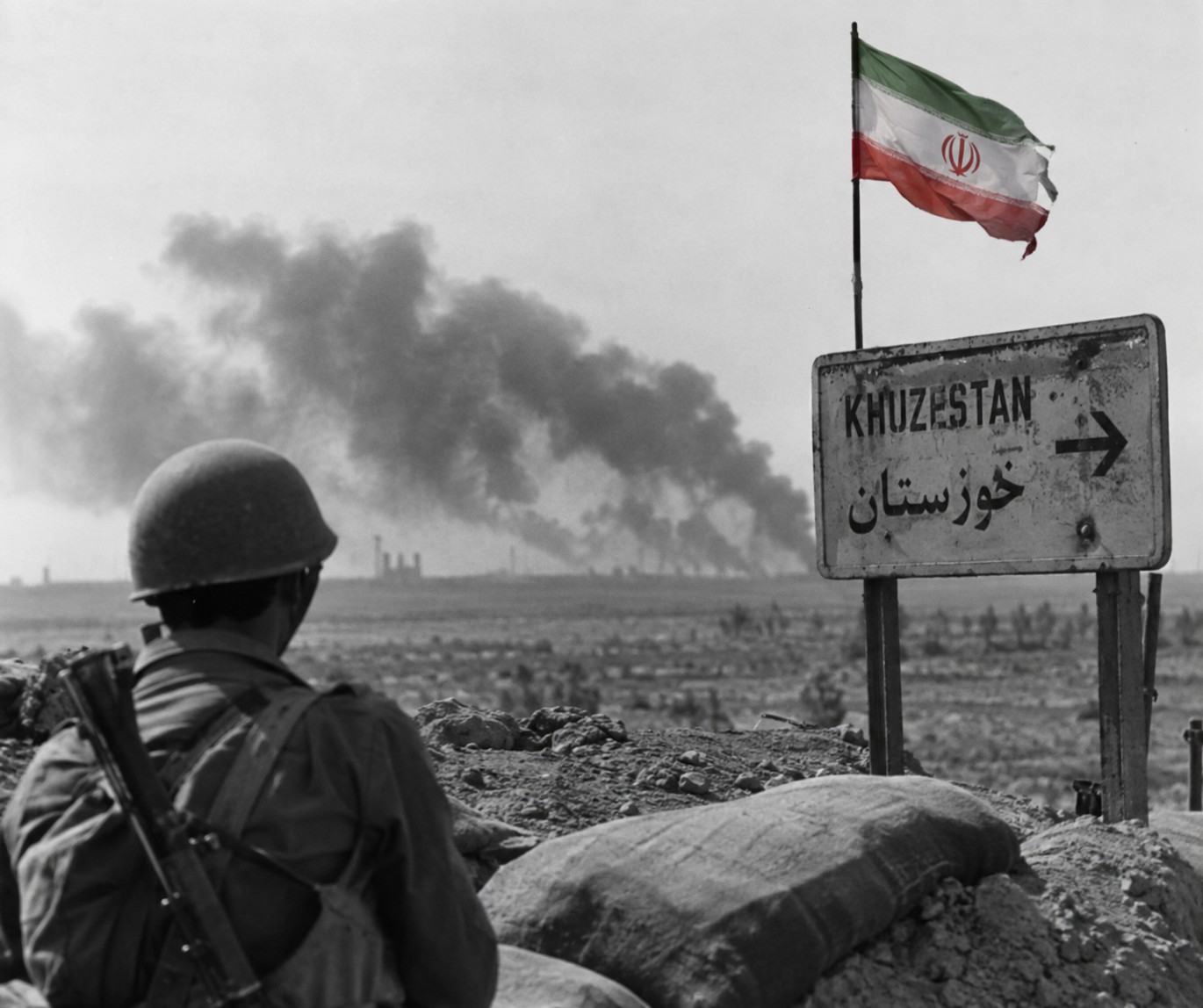
On 22 September 1980, Iraq launched a large-scale invasion of neighbouring Iran, beginning a devastating conflict that would last almost eight years and reshape the political and security landscape of the Middle East.
A region already in turmoil
Relations between Iran and Iraq had deteriorated sharply following Iran’s 1979 Islamic Revolution. Tehran and Baghdad were regional rivals, while Iraq was increasingly concerned about revolutionary Iran’s influence among Shia communities and opposition groups inside Iraq. US intelligence assessments from the period described growing hostility, propaganda campaigns and border clashes between the two countries before the war.
Territorial disputes also played a central role. The strategically important Shatt al-Arab waterway had long been contested. Under the 1975 Algiers Accord, Iraq and Iran had agreed to settle border disputes and establish the river boundary along its central channel, but the agreement remained politically sensitive in Baghdad.


Iraq launches its invasion
On 22 September 1980, Iraqi forces crossed into Iran while Iraqi aircraft attacked Iranian airfields and other military targets. Saddam Hussein’s government expected Iran, weakened by revolution and internal political upheaval, to be vulnerable.
Instead, Iranian resistance hardened. What Baghdad apparently expected to be a relatively short campaign developed into prolonged warfare involving trench systems, artillery bombardments, missile attacks on cities and repeated offensives across the border.
Eight years of destruction
Neither side achieved a decisive victory. The conflict expanded beyond the battlefield, threatening shipping and oil exports in the Persian Gulf and drawing increasing international attention.
Iran eventually accepted a United Nations-backed ceasefire in 1988. The borders remained largely where they had been before the fighting began.
The Iran-Iraq War left hundreds of thousands dead and wounded, devastated communities and infrastructure, and placed enormous economic pressure on both countries. Its consequences extended far beyond 1988, influencing regional alliances, military policies and tensions in the Gulf for decades.
Forty-six years after the invasion began, 22 September remains one of the defining dates in the modern history of the Middle East.
Newshub Editorial in Europe – 22 September 2026

Ask NF GPT
If you have an account with ChatGPT you get deeper explanations,
background and context related to what you are reading.
On 22 September 1980, Iraq launched a large-scale invasion of neighbouring Iran, beginning a devastating conflict that would last almost eight years and reshape the political and security landscape of the Middle East.
Recent Comments