
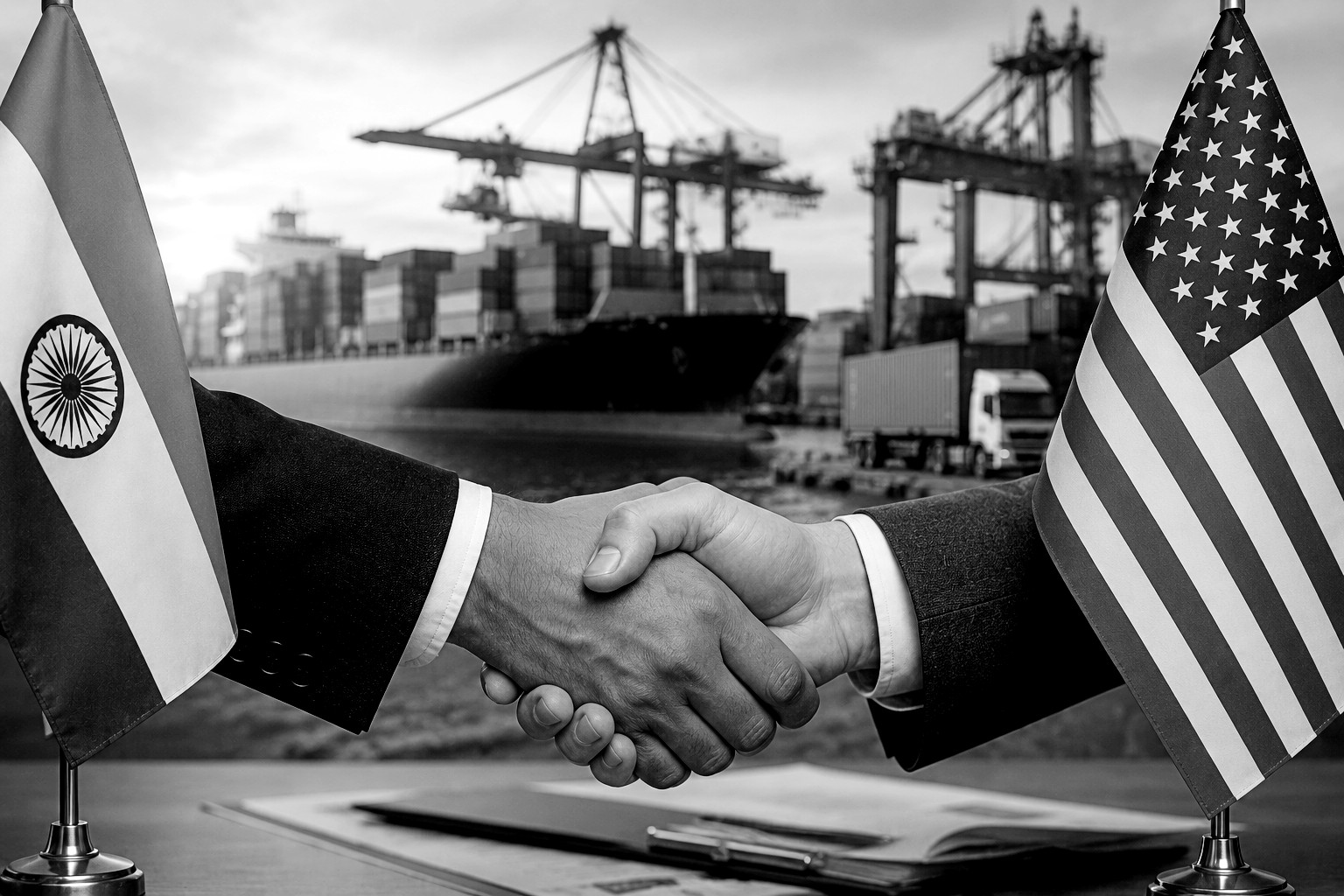
India and the United States could implement the first phase of a long-anticipated bilateral trade agreement by the middle of next month, according to Indian Commerce Minister Piyush Goyal. The development marks a significant step forward in economic relations between the world’s largest and fifth-largest economies and could provide greater certainty for businesses and investors on both sides.
Progress towards a trade framework
Speaking about ongoing negotiations, Goyal indicated that both countries have made substantial progress towards a framework designed to reduce trade barriers and expand economic cooperation.

According to the proposed arrangement, the United States would reduce tariffs on Indian goods to 18% from previously announced levels of 50%. The framework also addresses trade measures that had been linked to India’s purchases of Russian oil.
Under the reported agreement, Washington has already removed an additional 25% tariff that had been imposed on certain Indian products because of India’s energy relationship with Russia. The remaining tariff burden would then be reduced to 18% as part of the initial phase of the pact.
Boost for bilateral trade
The agreement is expected to provide a significant boost to trade flows between the two countries. India and the United States have become increasingly important trading partners in recent years, with cooperation expanding across technology, manufacturing, energy, pharmaceuticals, and services.
Businesses in both countries have long advocated for a more stable and predictable trade framework that reduces uncertainty and improves market access.
Industry groups believe lower tariffs could improve competitiveness for Indian exporters while providing American companies with broader opportunities in one of the world’s fastest-growing major economies.
Strategic relationship continues to deepen
The trade negotiations reflect the broader strengthening of relations between New Delhi and Washington. Both governments have increased cooperation in areas including defence, technology, supply chains, energy security, and investment.
Analysts note that economic cooperation has become a central pillar of the strategic partnership as both countries seek to diversify supply chains and strengthen long-term economic resilience.
Economic implications
If implemented as expected, the first phase of the agreement could pave the way for additional negotiations covering investment, market access, digital trade, and regulatory cooperation.
Market observers view the progress as a positive signal for international investors, particularly as global trade relationships continue to evolve amid geopolitical tensions and shifting economic priorities.
While further details are expected to emerge in the coming weeks, the prospect of an initial agreement represents one of the most significant developments in India-U.S. trade relations in recent years.
Newshub Editorial in Asia – 6 June 2026

If you have an account with ChatGPT you get deeper explanations,
background and context related to what you are reading.
Open an account:
Open an accountIndia and the United States could implement the first phase of a long-anticipated bilateral trade agreement by the middle of next month, according to Indian Commerce Minister Piyush Goyal. The development marks a significant step forward in economic relations between the world's largest and fifth-largest economies and could provide greater certainty for businesses and investors on both sides.
Recent Comments