
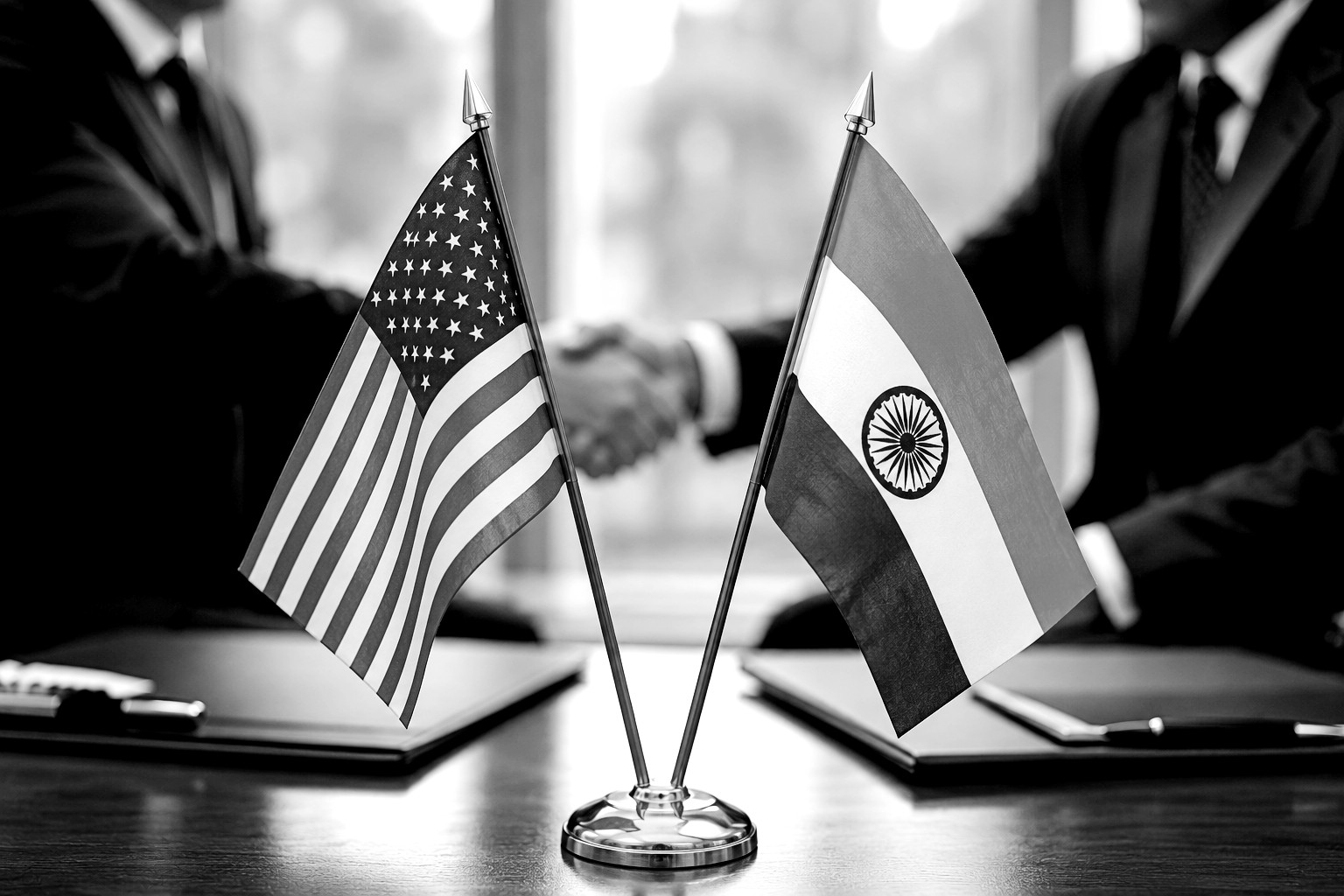
A United States trade delegation will visit India from 1–4 June to finalise details of a proposed interim trade agreement, marking a potentially important step in efforts to deepen commercial ties between the world’s largest and fifth-largest economies. The talks will also advance negotiations under a broader bilateral trade agreement covering market access, non-tariff measures, customs facilitation, investment promotion and economic security alignment.
A focused negotiation
The US team will be led by Assistant US Trade Representative Brendan Lynch, according to Indian and US reports. The visit follows an earlier round of in-person talks in Washington in April and comes after both countries agreed a framework for trade negotiations in February. US Trade Representative Jamieson Greer has described the potential agreement as “historic” for the two countries.
Tariffs remain central
For India, the key issue is not only what it can offer Washington, but how any agreement would affect its position against competing exporters such as China, Vietnam, Bangladesh, Sri Lanka and Indonesia. Indian officials, including Commerce Minister Piyush Goyal, have previously indicated that a deal would be possible only once there is clarity on the tariffs the US intends to apply to India’s competitors.

Strategic trade alignment
The negotiations go beyond traditional tariff bargaining. Both sides are looking at supply chains, investment flows, technology cooperation and economic security. India wants greater access to the US market, while Washington sees India as a strategic manufacturing and supply-chain partner at a time of global uncertainty.
Difficult details ahead
The interim agreement is expected to address immediate trade concerns, including non-tariff barriers and customs procedures. However, unresolved questions remain around US tariff policy, legal challenges to earlier reciprocal tariff measures and ongoing trade investigations. These issues could affect how far negotiators can go during the June meetings.
A possible bridge to a larger pact
If the June talks produce a workable interim agreement, it could create momentum for a broader bilateral trade agreement. For India, the objective is to protect export competitiveness while attracting investment. For the US, the goal is to build a more resilient economic partnership with a major Asian democracy. The outcome may therefore shape not only trade flows, but the wider strategic balance in global commerce.
Newshub Editorial in Asia – 28 May 2026

If you have an account with ChatGPT you get deeper explanations,
background and context related to what you are reading.
Open an account:
Open an account
Recent Comments