
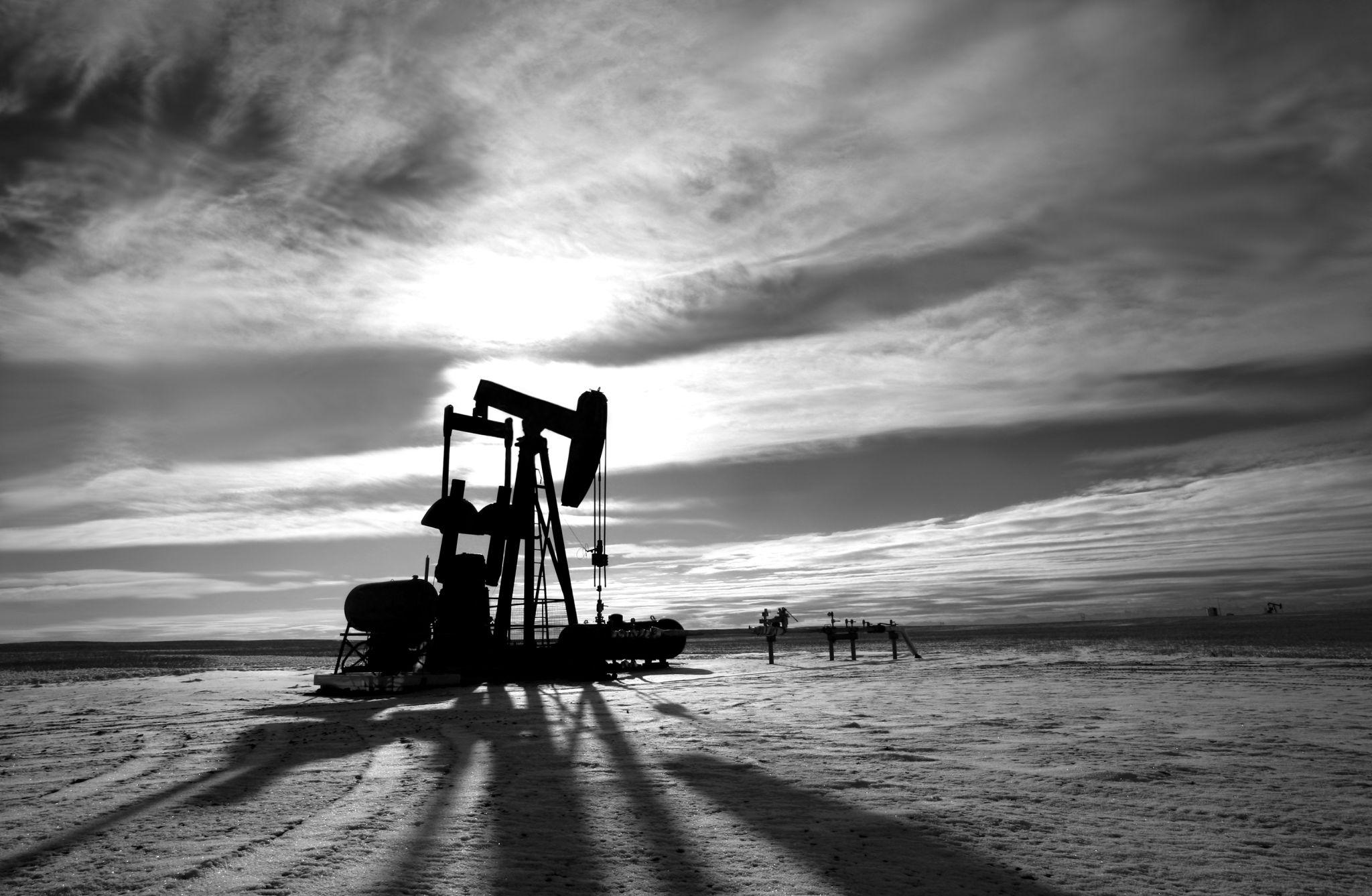
Global oil prices are expected to remain volatile next week as traders continue to balance geopolitical uncertainty, supply concerns and weakening global growth expectations. Energy markets enter the new week facing pressure from shipping disruptions, production policy discussions and uncertainty surrounding future demand from major economies. Analysts expect oil prices to remain highly reactive to both political developments and economic indicators throughout the coming trading sessions.
Middle East tensions remain central factor
One of the primary drivers influencing oil prices continues to be instability surrounding key shipping routes connected to the Middle East. Concerns regarding transport security near strategic maritime corridors have increased fears of potential supply disruption, even though physical oil flows have largely continued.
Markets remain particularly sensitive to developments affecting the Strait of Hormuz, through which a substantial portion of global oil exports passes each day. Any escalation involving regional security could rapidly trigger higher prices due to fears of interrupted supply chains.


At the same time, traders continue monitoring diplomatic efforts and military activity across the broader region, with energy markets reacting quickly to geopolitical headlines.
OPEC+ production strategy under scrutiny
Investors are also closely watching the production strategy of OPEC and its allies. The alliance has continued efforts to stabilise prices through coordinated production adjustments, although questions remain regarding long-term compliance among member states.
Several analysts believe oil producers may attempt to maintain prices within a relatively stable range to protect government revenues without significantly damaging global demand. However, weaker industrial activity in some major economies could reduce consumption growth expectations during the second half of 2026.
Demand signals from China remain particularly important. Any indication of stronger manufacturing activity or government stimulus measures could support higher oil prices during the coming week.
Economic uncertainty limits aggressive price increases
Although geopolitical concerns may support prices in the short term, broader economic uncertainty continues to limit the likelihood of sharp sustained increases. Higher interest rates, slowing manufacturing output and cautious consumer spending patterns in several advanced economies are reducing confidence in future energy demand growth.
Transport and logistics companies are also facing increased operational costs linked to fuel price fluctuations, contributing to broader inflation concerns in Europe and Asia.
Many analysts expect oil to trade within a volatile but relatively contained range unless a major supply disruption or significant economic announcement changes market sentiment dramatically.
Energy sector remains globally influential
Oil prices continue to influence inflation, transport costs, food distribution and industrial production worldwide. As a result, next week’s energy market developments are expected to affect not only commodity traders but also equity markets, currencies and government policy discussions.
Investors are therefore expected to monitor both geopolitical developments and macroeconomic data closely as oil markets enter another uncertain trading week.
Newshub Editorial in Asia – 17 May 2026

If you have an account with ChatGPT you get deeper explanations,
background and context related to what you are reading.
Open an account:
Open an accountGlobal oil prices are expected to remain volatile next week as traders continue to balance geopolitical uncertainty, supply concerns and weakening global growth expectations. Energy markets enter the new week facing pressure from shipping disruptions, production policy discussions and uncertainty surrounding future demand from major economies. Analysts expect oil prices to remain highly reactive to both political developments and economic indicators throughout the coming trading sessions.
Recent Comments