
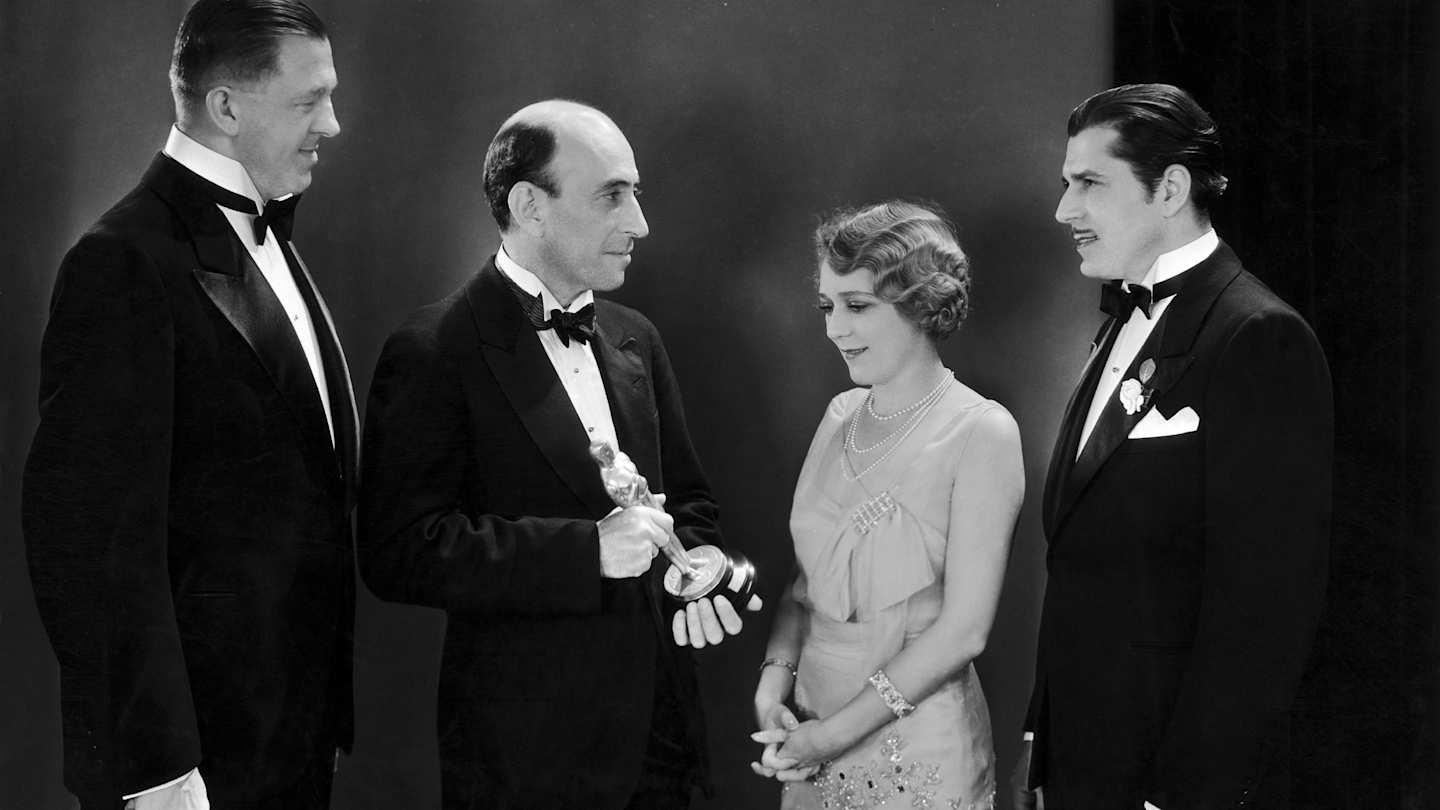
On 16 May 1929, the first Academy Awards ceremony was held at the legendary Hollywood Roosevelt Hotel in Los Angeles, marking the beginning of what would become the most prestigious event in global cinema. What started as a modest private dinner for around 270 guests would later evolve into the internationally televised spectacle now known simply as the Oscars. Yet the original ceremony was remarkably small, understated and fast by modern standards, lasting only around 15 minutes.
A quiet beginning for a global institution
The ceremony was organised by the Academy of Motion Picture Arts and Sciences, which had been founded just two years earlier in 1927. At the time, the film industry was rapidly transforming from silent films to “talkies”, creating both excitement and uncertainty across Hollywood.
Tickets to the event reportedly cost five dollars, and winners had already been announced three months in advance. There were no dramatic envelopes, no live television broadcasts and no red-carpet media frenzy. Instead, the evening resembled an elegant private banquet for Hollywood insiders gathered to celebrate artistic and technical achievement in filmmaking.

The ceremony recognised films released between 1927 and 1928, a period considered revolutionary for the industry as sound technology reshaped cinema worldwide.
Wings became the first best picture winner
The first film to receive the award for Outstanding Picture, later renamed Best Picture, was Wings, a silent war epic directed by William A. Wellman. The production was praised for its ambitious aerial combat scenes and technical innovation, becoming one of the defining films of the silent era.
Another major winner was Sunrise: A Song of Two Humans by German director F. W. Murnau, which won the now-defunct category of Unique and Artistic Picture. The existence of two top awards reflected early uncertainty about how artistic merit and commercial success should be balanced in cinema.
Among acting winners, Emil Jannings became the first recipient of the Best Actor award, while Janet Gaynor won Best Actress for performances across multiple films.
The Oscars became Hollywood’s most powerful symbol
Over the decades, the Academy Awards transformed from a private industry dinner into one of the world’s largest entertainment broadcasts. The Oscars became deeply connected to Hollywood’s economic power, cultural influence and global soft power.
Winning an Academy Award can dramatically alter careers, increase box-office revenue and reshape public recognition for actors, directors and studios. The gold statuette itself became one of the most recognisable symbols in modern popular culture.
The ceremony has also reflected broader social and political developments, including debates over diversity, censorship, representation, streaming services and the future of cinema itself.
A ceremony that still shapes the entertainment industry
Nearly a century after the first awards were handed out at the Hollywood Roosevelt Hotel, the Academy Awards remain a central event for the international film industry. Despite criticism, changing viewing habits and growing competition from digital platforms, the Oscars continue to influence financing, marketing and global visibility for films worldwide.
What began in a ballroom in Hollywood in 1929 ultimately became a defining institution of modern entertainment history — one that still shapes how cinema measures prestige, artistic recognition and commercial success today.
Newshub Editorial in North America – May 16, 2026

If you have an account with ChatGPT you get deeper explanations,
background and context related to what you are reading.
Open an account:
Open an account
Recent Comments