
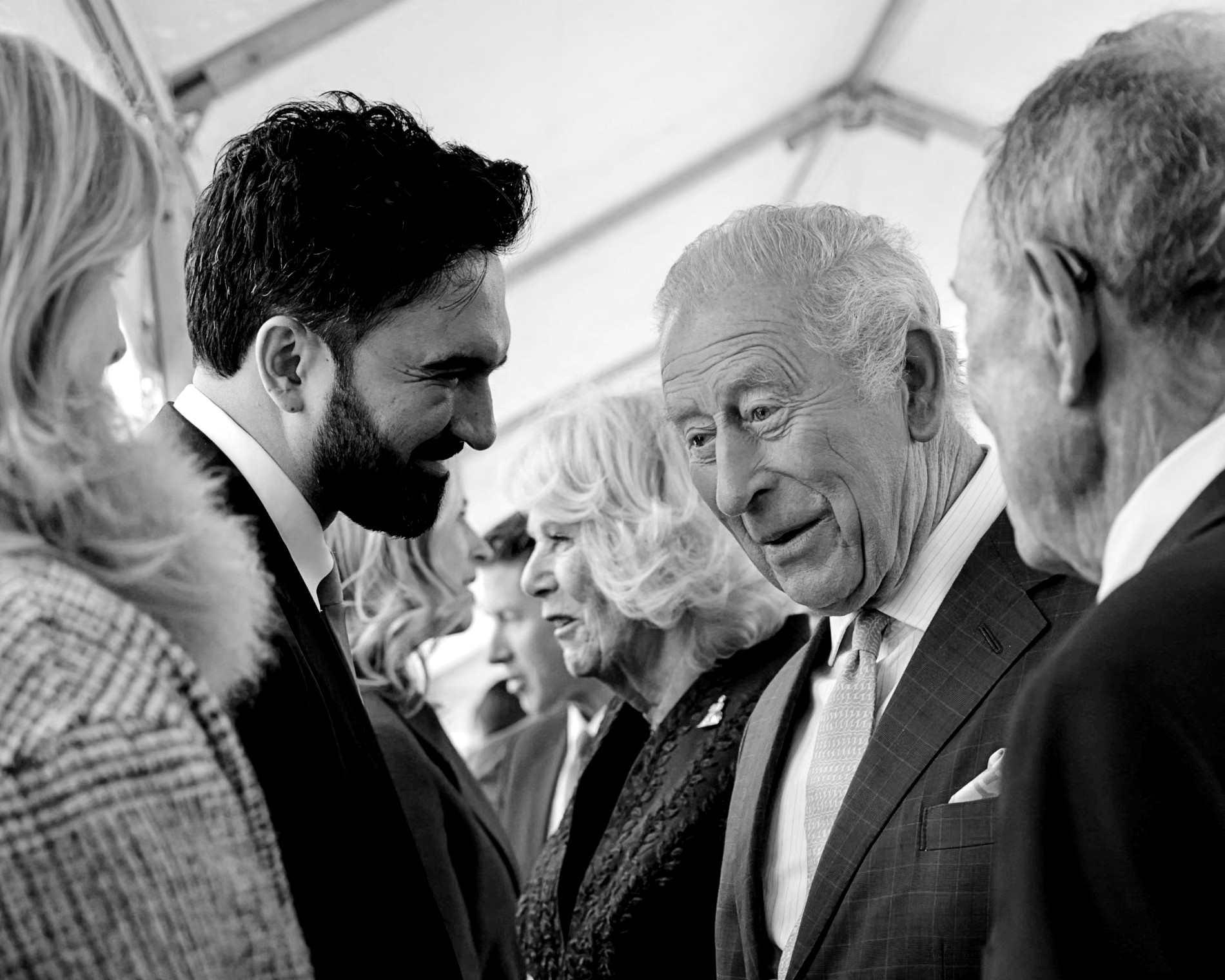
King Charles III received a lavish ceremonial welcome during his latest visit to the United States, including an official state dinner served on gold-plated tableware, but the trip was also overshadowed by political controversy and criticism linked to Britain’s colonial legacy. The tensions became more visible after New York politician Zohran Mamdani publicly stated he would refuse a private meeting with the British monarch.
A grand diplomatic reception
The British monarch’s American visit included high-level meetings, diplomatic discussions and formal ceremonies designed to reinforce the long-standing relationship between the United Kingdom and the United States.
At one official dinner, guests were served using ornate gold service traditionally reserved for major state occasions, highlighting the ceremonial nature of the visit and the continued symbolism surrounding the British monarchy.

The White House and British officials both described the meetings as constructive, with discussions reportedly covering trade, security cooperation, climate policy and global geopolitical tensions.
Images from the event quickly circulated internationally, reinforcing the visual contrast between royal tradition and the increasingly polarised political climate surrounding modern monarchy debates.
Zohran Mamdani rejects private audience
However, the diplomatic atmosphere was disrupted after Zohran Mamdani, a progressive political figure in New York, stated publicly that he would not meet King Charles privately if offered the opportunity.
Mamdani referenced the Koh-i-Noor diamond, one of the world’s most famous gemstones, which became part of the British Crown Jewels during the colonial period after being claimed by the British Empire in 1849 following the annexation of Punjab in India.
Critics of the monarchy and colonial history have long argued that the diamond symbolises imperial extraction and unresolved historical injustice. India has repeatedly called for its return over several decades, though British governments have consistently resisted such demands.
Mamdani stated that modern political leaders should not ignore the historical legacy tied to colonial rule and resource acquisition during the British Empire.
Colonial legacy remains politically sensitive
The incident reflects a broader international debate surrounding monarchy, reparations and historical accountability. In recent years, the British royal family has increasingly faced scrutiny during overseas visits, particularly in countries and communities with historical links to colonialism.
While supporters of the monarchy argue that King Charles represents continuity, diplomacy and soft power, critics maintain that royal symbolism cannot be separated from Britain’s imperial history.
The issue has become especially sensitive among younger political movements in the United States, Britain and former colonial territories, where discussions about restitution, museum artefacts and historical recognition continue to intensify.
Diplomacy mixed with symbolism
Despite the controversy, British officials described the US visit as broadly successful from a diplomatic perspective. The trip reinforced defence ties, economic cooperation and cultural links between the two countries during a period of increasing geopolitical instability.
However, the contrasting images of royal luxury alongside criticism over colonial history highlighted the evolving challenges faced by modern monarchies operating in a highly politicised and globally connected environment.
For King Charles III, the visit demonstrated both the enduring appeal of royal ceremony and the growing reality that historical questions surrounding empire and ownership remain deeply relevant in contemporary international politics.
Newshub Editorial in North America – 30 April 2026

If you have an account with ChatGPT you get deeper explanations,
background and context related to what you are reading.
Open an account:
Open an account
Recent Comments