
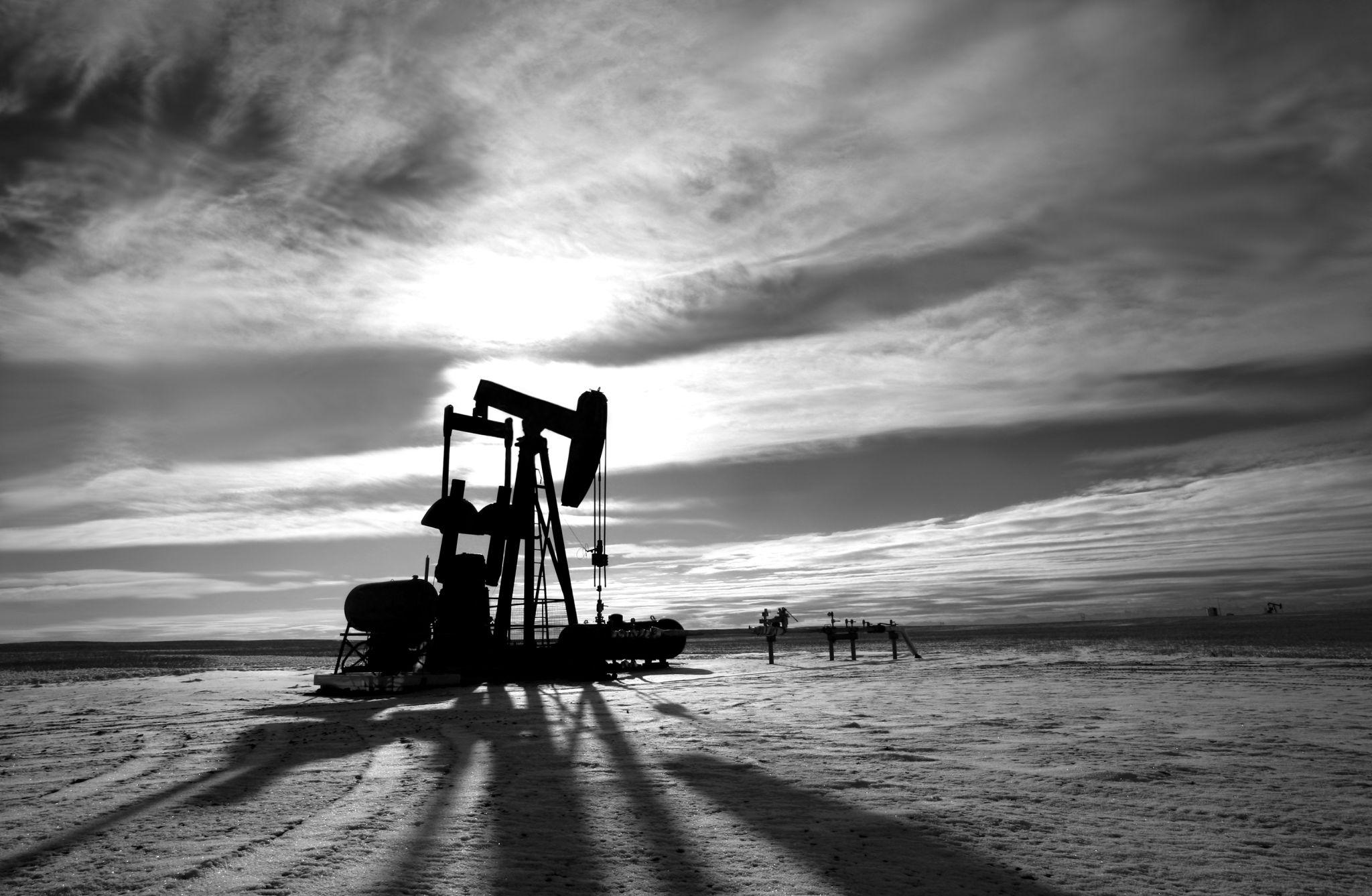
Global oil prices have surged to their highest levels since 2022 as tensions between the United States and Iran continue to escalate, with no diplomatic breakthrough in sight. Energy markets were shaken after President Donald Trump signalled that the US Navy blockade of Iranian ports could remain in place for months while Iran continues to keep the Strait of Hormuz effectively restricted to normal commercial shipping.
Brent crude climbs above $120
Brent crude oil climbed above $120 per barrel during trading, marking one of the sharpest sustained energy price increases in recent years. Analysts said traders were increasingly pricing in the risk of prolonged disruption to one of the world’s most strategically important energy corridors.
The Strait of Hormuz handles roughly a fifth of global oil shipments, making any disruption immediately significant for global supply chains, inflation and transport costs. Commercial shipping traffic through the region remains dramatically below normal levels, with both military tensions and insurance concerns limiting tanker movements.

Trump reportedly told advisers and energy executives that maintaining pressure on Iran through maritime restrictions was preferable to immediate escalation on land, though markets interpreted the comments as a sign that disruption could continue well into the summer.
Markets fear a prolonged supply shock
Oil traders and economists increasingly fear that the current situation could develop into the largest sustained energy supply shock since the 1970s oil crisis. The International Energy Agency has already described the Strait of Hormuz disruption as one of the most serious energy security threats in modern history.
Several forecasts now suggest Brent crude could rise significantly further if shipping conditions deteriorate or infrastructure damage spreads across the Gulf region. Some analysts have warned that prices approaching $150–$190 per barrel cannot be ruled out under a worst-case scenario.
The latest rally has already pushed fuel prices sharply higher across major economies. In the United States, petrol prices have climbed above $4.20 per gallon for the first time in years, while airlines and logistics companies are reporting rapidly rising operating costs.
Global inflation concerns return
The renewed energy shock has revived fears of global inflation just as several major economies were attempting to stabilise after years of elevated interest rates and slower growth.
European governments remain particularly exposed because of continued dependence on imported energy and fragile industrial demand. Asian economies, including China, Japan and South Korea, are also monitoring developments closely due to their reliance on Gulf oil shipments.
Currency markets reacted cautiously, with investors moving toward traditional safe-haven assets while equity markets showed increased volatility linked to energy-intensive sectors.
Diplomatic resolution remains uncertain
Despite intermittent discussions involving regional intermediaries, negotiations between Washington and Tehran remain deadlocked. Iran has reportedly linked any reopening of the Strait of Hormuz to broader sanctions relief and security guarantees, conditions currently rejected by the White House.
As the confrontation enters another uncertain phase, governments, central banks and investors are preparing for the possibility that elevated oil prices may become a defining economic challenge during the remainder of 2026.
For global markets, the situation has become more than a regional conflict. It is increasingly viewed as a structural risk capable of influencing inflation, trade flows, monetary policy and geopolitical stability worldwide.
Newshub Editorial in Asia – 30 April 2026

If you have an account with ChatGPT you get deeper explanations,
background and context related to what you are reading.
Open an account:
Open an accountGlobal oil prices have surged to their highest levels since 2022 as tensions between the United States and Iran continue to escalate, with no diplomatic breakthrough in sight. Energy markets were shaken after President Donald Trump signalled that the US Navy blockade of Iranian ports could remain in place for months while Iran continues to keep the Strait of Hormuz effectively restricted to normal commercial shipping.
Recent Comments