
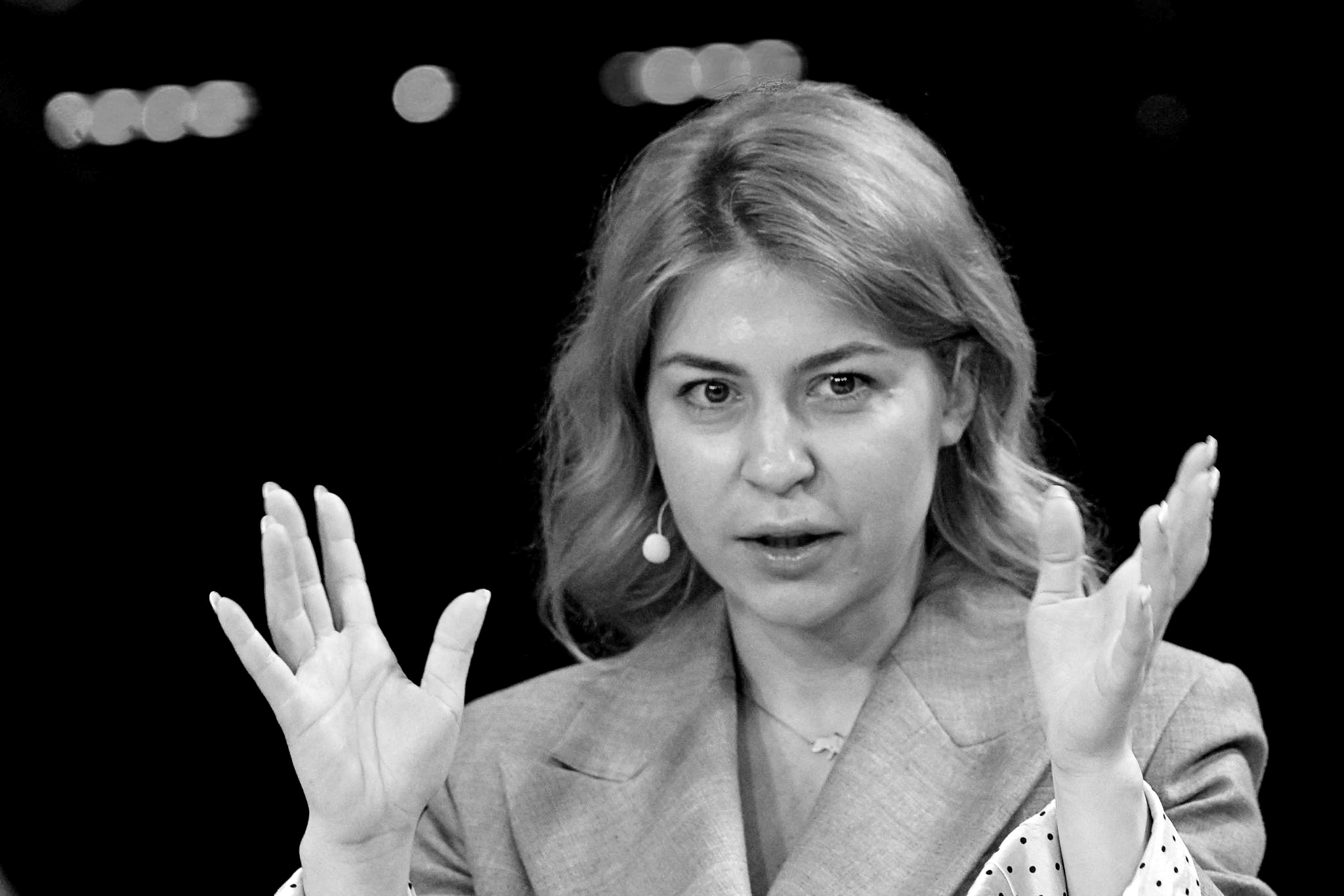
A new documentary by Viktor Nordenskiöld follows Ukrainian deputy minister Olha Stefanishyna as she navigates the complex process of bringing Ukraine closer to the European Union, offering an intimate but uneven portrayal of high-stakes diplomacy.
A personal lens on political ambition
The film centres on Stefanishyna’s role in steering Ukraine’s European integration efforts during a period defined by war, institutional reform, and geopolitical realignment. Through close access and observational storytelling, Nordenskiöld captures the intensity of negotiations, the pressure of expectations, and the personal commitment required to advance Ukraine’s EU candidacy.
The documentary positions Stefanishyna as a determined and resilient figure, framing her as a key architect of Ukraine’s European future. Scenes from negotiation rooms, international summits, and internal strategy meetings contribute to a narrative that emphasises urgency and national purpose.


Narrative strength but analytical gaps
While the film succeeds in building a compelling human portrait, it has been noted for lacking analytical depth. The broader structural challenges of EU accession—ranging from legal harmonisation and anti-corruption reforms to economic convergence—receive limited scrutiny. As a result, the documentary risks simplifying a process that is inherently complex and politically sensitive.
Critics have pointed out that the film leans heavily on emotional storytelling, sometimes at the expense of critical examination. The absence of contrasting perspectives, including voices from within the EU or independent policy experts, reduces the overall balance of the narrative.
Context of a historic accession effort
Ukraine’s path towards EU membership represents one of the most consequential enlargement processes in recent European history. The country’s candidacy, accelerated by the geopolitical fallout of the war, has become a central issue for both Kyiv and Brussels. Stefanishyna’s role places her at the intersection of domestic reform and international diplomacy, where progress depends on meeting stringent criteria while maintaining political stability.
The film highlights this tension but stops short of fully exploring its implications. The technical and institutional demands of accession—often spanning years or decades—are only briefly addressed, leaving viewers with an incomplete understanding of the scale of the challenge.
Soft power storytelling with limited policy insight
Despite its limitations, the documentary contributes to the broader narrative surrounding Ukraine’s European ambitions. By focusing on a central figure, it humanises a process that is often perceived as bureaucratic and distant. This approach aligns with a wider trend in political filmmaking, where personal stories are used to convey complex geopolitical developments.
However, for audiences seeking a deeper understanding of EU accession mechanics and strategic implications, the film may fall short. Its strength lies in storytelling rather than analysis, offering a compelling but partial view of a defining moment in European politics.
Newshub Editorial in Europe – April 28, 2026

If you have an account with ChatGPT you get deeper explanations,
background and context related to what you are reading.
Open an account:
Open an accountA new documentary by Viktor Nordenskiöld follows Ukrainian deputy minister Olha Stefanishyna as she navigates the complex process of bringing Ukraine closer to the European Union, offering an intimate but uneven portrayal of high-stakes diplomacy.
Recent Comments