
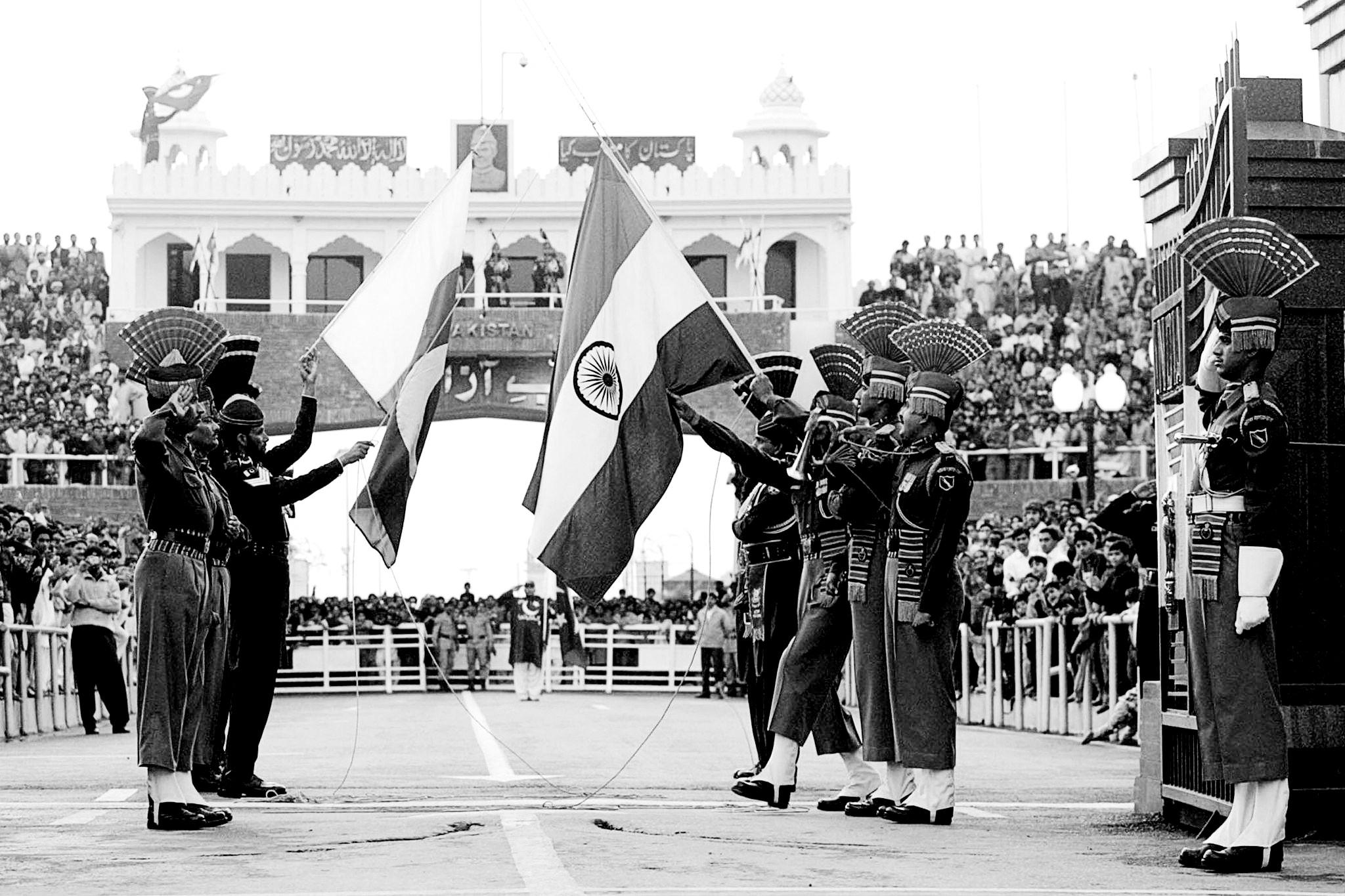
The relationship between India and Pakistan remains one of the most complex and consequential geopolitical dynamics in the modern world, shaped by a shared history, recurring conflict, and an uncertain path towards future stability.
Partition and the roots of rivalry
The origins of tensions between India and Pakistan trace back to the Partition of India in 1947, when British colonial rule ended and the subcontinent was divided into two independent states. The partition triggered one of the largest mass migrations in history, accompanied by widespread violence that left deep societal and political scars. From the outset, disputes over territory—most notably the region of Kashmir—became a central and enduring source of conflict.
Cycles of conflict and uneasy ceasefires
Since independence, India and Pakistan have fought multiple wars, including those in 1947–48, 1965, and 1971, alongside numerous skirmishes and military standoffs. The Line of Control in Kashmir remains one of the most heavily militarised borders in the world. Despite periodic ceasefire agreements, violations have been frequent, reinforcing mutual distrust. Both countries’ development of nuclear weapons in the late 20th century added a new dimension, introducing a deterrence framework that has prevented full-scale war but increased the stakes of any escalation.

Kashmir as a persistent flashpoint
Kashmir continues to dominate bilateral relations. India administers roughly two-thirds of the region, while Pakistan controls the remainder, with both claiming it in full. Political developments, security operations, and local unrest frequently reverberate across the border, influencing diplomatic engagement. The issue is deeply intertwined with national identity in both countries, making compromise politically sensitive and difficult to achieve.
Diplomacy amid distrust
Efforts at dialogue have occurred intermittently over the decades, often following periods of heightened tension. Initiatives such as backchannel negotiations, confidence-building measures, and trade discussions have shown potential but have rarely led to sustained breakthroughs. Diplomatic relations have been characterised by cycles of engagement and breakdown, reflecting both domestic political pressures and evolving regional dynamics.
Economic realities and missed opportunities
Despite geographic proximity and shared cultural ties, economic cooperation between India and Pakistan remains limited. Trade flows are constrained by political barriers, regulatory restrictions, and security concerns. Analysts have long argued that improved economic integration could yield mutual benefits, including lower costs, expanded markets, and increased regional stability. However, these opportunities remain largely unrealised.
The nuclear dimension and strategic balance
The presence of nuclear arsenals on both sides has fundamentally altered the nature of the rivalry. While it has reduced the likelihood of large-scale conventional war, it has also created a framework of “managed hostility,” where both nations engage in calibrated responses rather than outright confrontation. This dynamic requires constant signalling, strategic restraint, and crisis management to avoid unintended escalation.
Domestic politics and public sentiment
Internal political dynamics in both countries play a significant role in shaping bilateral relations. Nationalist sentiment, electoral considerations, and media narratives often influence policy decisions, sometimes limiting the scope for compromise. Public perception of the other side remains largely shaped by historical grievances and security concerns, reinforcing a cycle of suspicion.
Regional and global context
The India–Pakistan relationship is also influenced by broader geopolitical developments. Partnerships with major powers, including the United States and China, add layers of complexity to the strategic environment. For example, China’s close ties with Pakistan and its regional infrastructure initiatives intersect with India’s own strategic interests, shaping the broader balance of power in South Asia.
The present: cautious stability with underlying tension
In recent years, the relationship has been marked by a fragile stability. Ceasefire agreements have reduced immediate tensions along the Line of Control, but underlying issues remain unresolved. Diplomatic engagement is limited, and trust remains low, even as both sides recognise the risks associated with escalation.
The future: between confrontation and cooperation
Looking ahead, the trajectory of India–Pakistan relations will depend on multiple factors, including leadership decisions, domestic political developments, and regional security dynamics. While the potential for conflict persists, there are also pathways towards gradual normalisation, particularly through confidence-building measures and limited economic engagement.
A relationship that defines a region
The interplay between history, security, and political identity ensures that India–Pakistan relations will remain a defining feature of South Asian geopolitics. Whether the future is shaped by continued rivalry or cautious cooperation will have profound implications not only for the two nations but for regional and global stability.
Newshub Editorial in Asia – April 20, 2026

If you have an account with ChatGPT you get deeper explanations,
background and context related to what you are reading.
Open an account:
Open an account
Recent Comments