
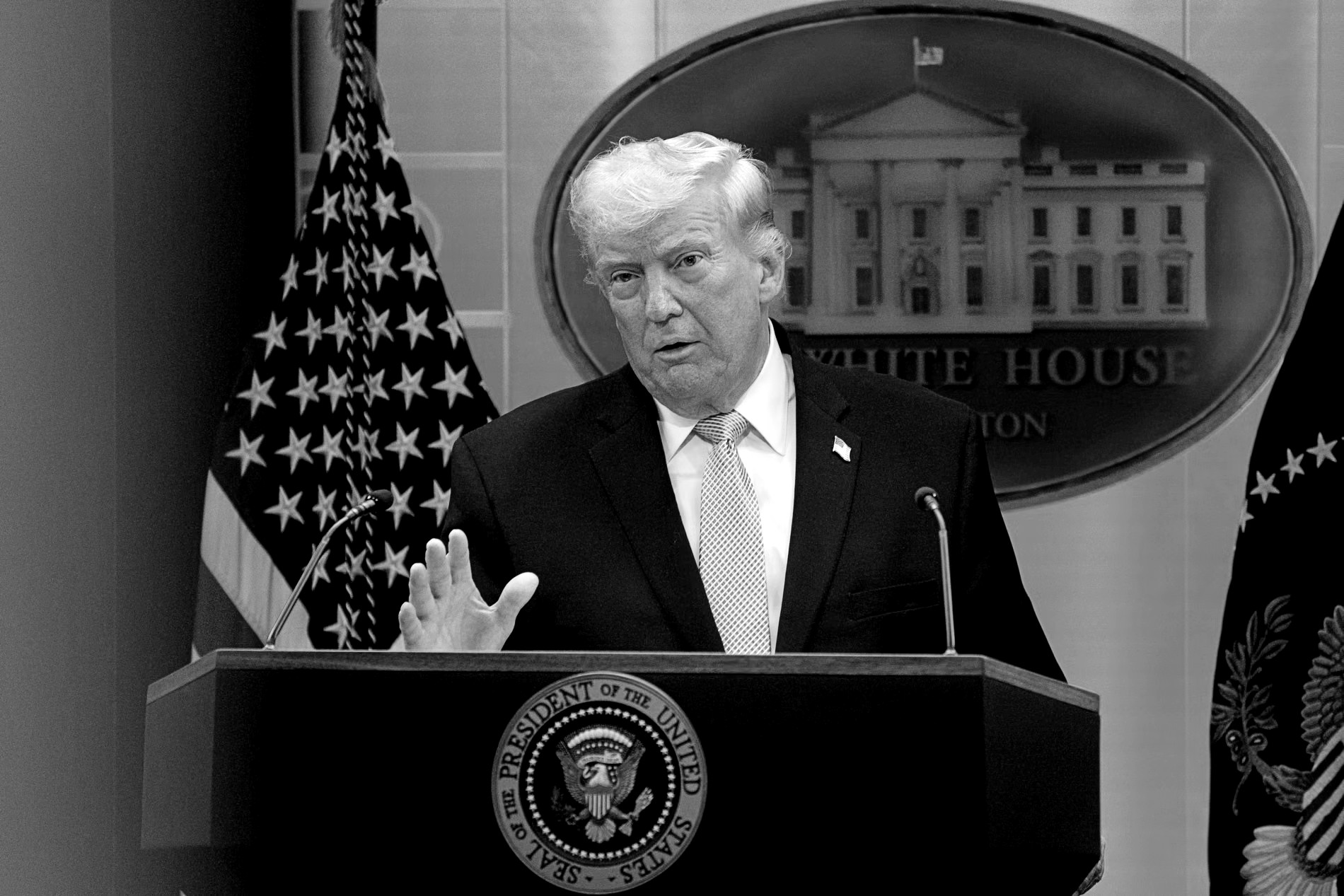
US President Donald Trump has claimed that the Earth is “cooling as a planet,” contradicting recent data showing record-setting global temperatures in March and intensifying debate over climate policy in the United States.
Scientific data points in the opposite direction
Climate scientists and international monitoring agencies have reported that March temperatures reached some of the highest levels ever recorded globally. Data linked to NASA and National Oceanic and Atmospheric Administration indicate a continued warming trend driven by greenhouse gas emissions and broader climate patterns.
Researchers emphasise that short-term fluctuations do not alter the long-term trajectory of global warming, which has been consistently upward over recent decades.

Policy direction shifts under new administration
Since returning to office, the Trump administration has rolled back several environmental protections and climate initiatives aimed at reducing emissions. Measures affecting energy production, industrial regulation, and environmental oversight have been scaled back, with a renewed emphasis on domestic fossil fuel development.
Supporters argue that deregulation supports economic growth and energy independence, while critics warn that it undermines efforts to address climate risks and could have long-term economic and environmental consequences.
Global climate commitments under scrutiny
The United States’ position on climate policy plays a significant role in shaping international efforts. Changes in US policy direction may impact global coordination, particularly in relation to emissions targets and climate finance.
Observers note that divergence between political statements and scientific consensus could complicate negotiations and weaken collective action frameworks.
Economic implications extend beyond environment
Climate policy is increasingly tied to economic strategy, with sectors such as renewable energy, electric vehicles, and sustainable infrastructure representing major areas of investment. A shift away from these priorities may alter capital flows and influence long-term competitiveness.
At the same time, extreme weather events and rising temperatures continue to pose risks to agriculture, supply chains, and insurance markets, reinforcing the economic relevance of climate trends.
Debate reflects broader political divide
Trump’s comments highlight a broader divide between political narratives and scientific consensus on climate change. While the administration prioritises economic considerations and regulatory rollback, scientific institutions continue to stress the urgency of addressing rising global temperatures.
The gap between these perspectives is likely to remain a defining feature of both US domestic policy and international climate discussions in the years ahead.
Newshub Editorial in North America – April 18, 2026

If you have an account with ChatGPT you get deeper explanations,
background and context related to what you are reading.
Open an account:
Open an account
Recent Comments