
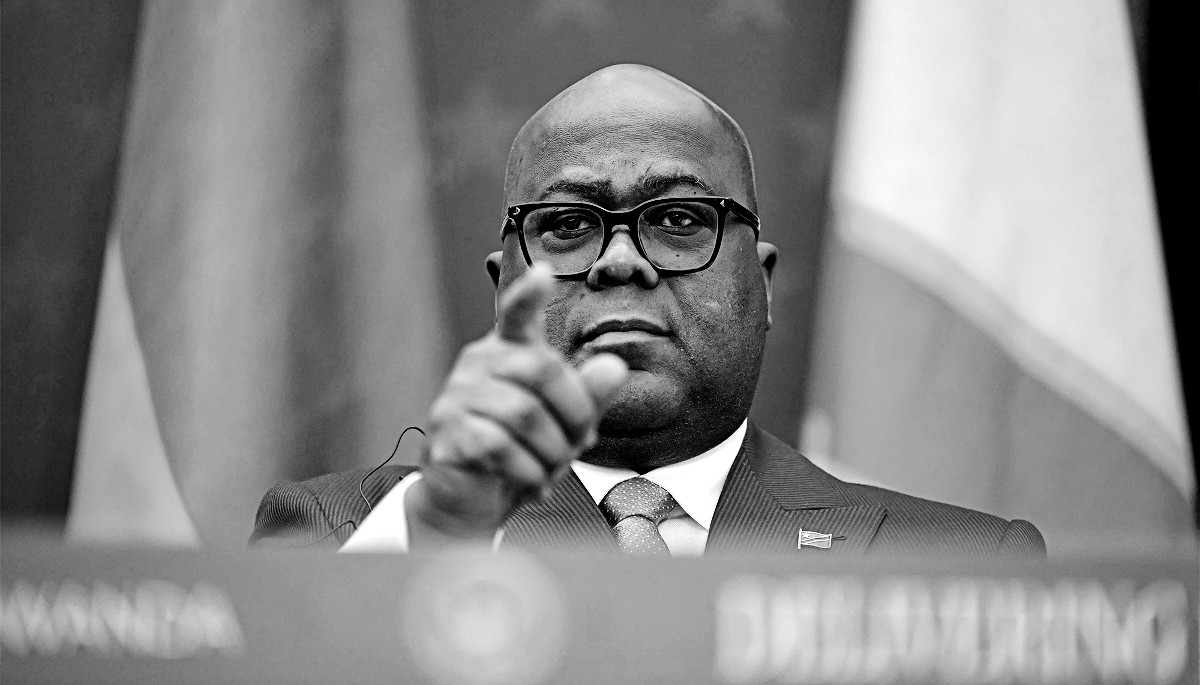
The government in the Democratic Republic of Congo is edging closer to realising the financial gains of its cobalt sector reforms, with authorities expecting a significant increase in fiscal revenues as global demand for the battery metal remains strong. The policy shift, driven under President Félix Tshisekedi, centres on tighter regulation and greater state oversight of one of the world’s most strategic resources.
Regulatory push reshapes cobalt sector
The administration in Kinshasa has prioritised a structured and controlled approach to cobalt production, aiming to stabilise prices and maximise national revenue. As the world’s largest producer of cobalt, the country holds a dominant position in global supply chains, particularly for electric vehicle batteries.
Under the current reform agenda, authorities are focusing on regulating output, formalising artisanal mining, and enforcing quotas to better align supply with global market conditions. The strategy reflects a broader effort to move away from fragmented production toward a more centralised and predictable system.


Fiscal upside expected in 2026
Authorities anticipate that these measures will translate into meaningful fiscal returns during the year. By tightening control over exports and pricing mechanisms, the government is seeking to capture a larger share of the value generated by cobalt, rather than leaving margins to intermediaries and external operators.
This comes as cobalt remains a critical component in the global energy transition, with sustained demand from electric vehicle manufacturers and battery producers supporting prices despite volatility in commodity markets.
Pressure from foreign operators intensifies
The government’s strategy has encountered resistance from foreign mining operators, particularly Chinese groups that play a dominant role in the sector. These operators are seeking increased production quotas to secure supply flows, placing pressure on authorities to balance national interests with investor expectations.
Managing this dynamic has become central to the success of the reforms, as policymakers attempt to maintain production while strengthening state control.
Internal constraints slow implementation
Beyond external pressures, the reform process has also faced internal challenges. Certain administrative bodies have shown reluctance or delays in aligning with the new regulatory framework, creating bottlenecks in implementation.
These constraints highlight the complexity of restructuring a sector that has historically operated with limited coordination and oversight.
Strategic position in global supply chains
Despite these challenges, the Democratic Republic of Congo remains central to the global cobalt market. Its ability to influence supply conditions gives it leverage at a time when resource security is becoming increasingly important for industrial economies.
If successfully implemented, the current regulatory approach could enable the country to extract greater long-term value from its natural resources.
Outlook tied to execution and market balance
The near-term outlook depends on the government’s ability to enforce quotas, manage stakeholder pressure, and maintain production stability. Any disruption to supply could have immediate global implications, given the concentration of cobalt production in the country.
For now, the trajectory suggests that Kinshasa is moving closer to achieving its objective of transforming cobalt into a more structured and revenue-generating pillar of the national economy.
Newshub Editorial in Africa – April 16, 2026

If you have an account with ChatGPT you get deeper explanations,
background and context related to what you are reading.
Open an account:
Open an accountThe government in the Democratic Republic of Congo is edging closer to realising the financial gains of its cobalt sector reforms, with authorities expecting a significant increase in fiscal revenues as global demand for the battery metal remains strong. The policy shift, driven under President Félix Tshisekedi, centres on tighter regulation and greater state oversight of one of the world’s most strategic resources.
Recent Comments