
Indirect talks signal cautious optimism amid fragile truce
The United States and Iran have entered a new phase of indirect negotiations aimed at extending a fragile two-week ceasefire, with the White House expressing confidence that a broader agreement may be within reach. The current truce, brokered earlier in April, is approaching its expiry, prompting intensified diplomatic efforts led by regional intermediaries.
White House signals confidence despite uncertainty
Officials in Washington have struck a cautiously optimistic tone, stating that they “feel good about the prospects of a deal,” even as formal confirmation of an extension remains pending. The ceasefire, which has temporarily halted escalating hostilities, is due to expire within days, making ongoing discussions critical.

While the US has publicly denied formally requesting an extension, it has acknowledged active engagement in discussions with Iranian counterparts through indirect channels, suggesting a strategic preference to negotiate without public commitments at this stage.
Pakistan emerges as central diplomatic broker
A key feature of the current negotiations is the growing role of Pakistan as mediator. Pakistani officials have initiated a new round of shuttle diplomacy, engaging with Tehran and other regional actors while preparing to host further talks, potentially in Islamabad.
This follows earlier high-level discussions in Pakistan that failed to secure a comprehensive agreement but established a framework for continued dialogue. The indirect nature of the current talks reflects persistent mistrust between Washington and Tehran, even as both sides signal willingness to avoid further escalation.
Core disagreements remain unresolved
Despite progress, significant obstacles remain. Iran has linked further negotiations to broader regional conditions, including developments in Lebanon, while the United States continues to press for strict conditions related to nuclear activity and regional security commitments.
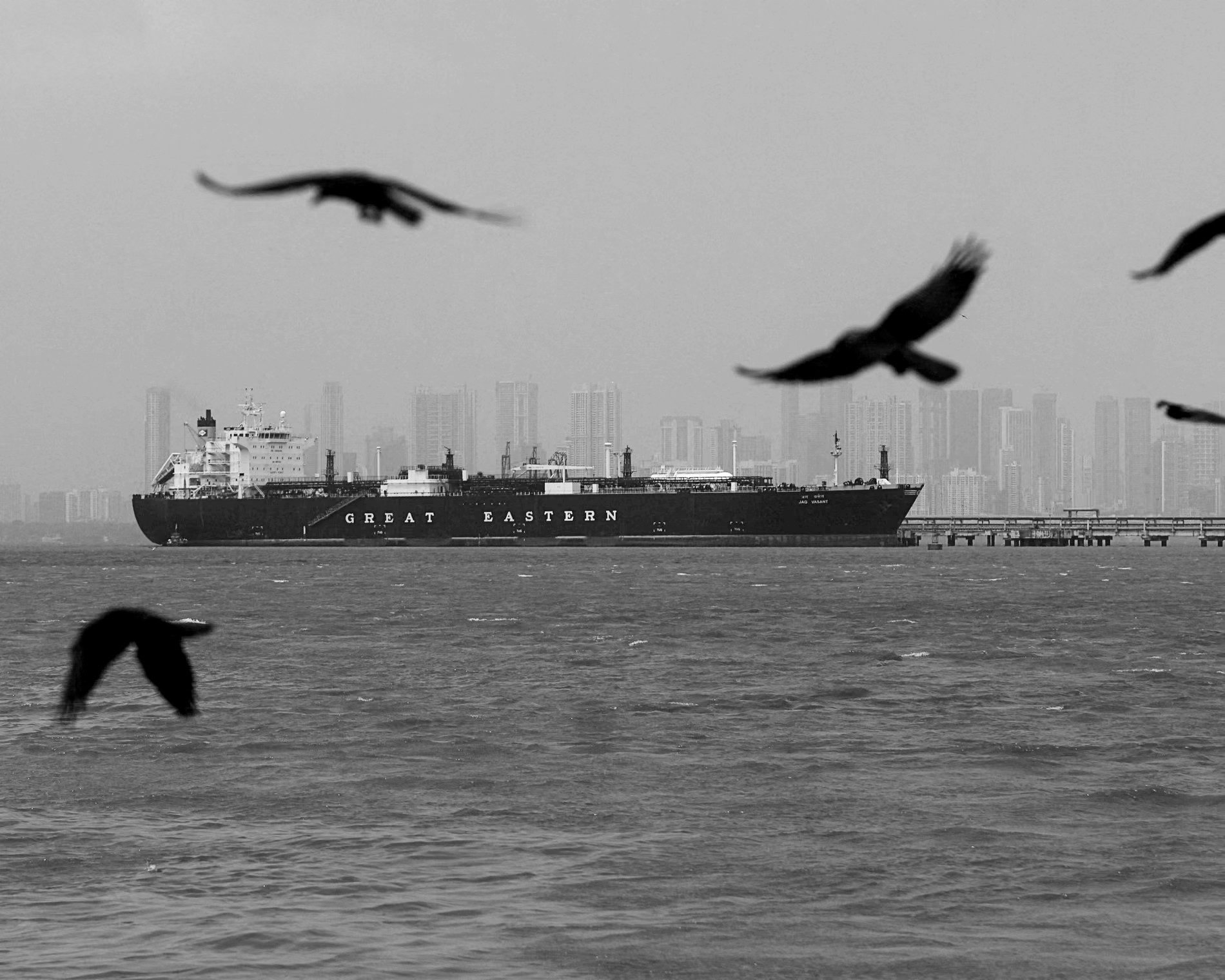
At the same time, US economic pressure on Iran has intensified, including the implementation of a naval blockade targeting Iranian trade flows—adding urgency to the negotiations but also increasing tensions.
Race against the ceasefire deadline
The coming days are likely to prove निर्णing. If a framework agreement can be reached, diplomats expect the ceasefire to be extended to allow for more comprehensive negotiations. Failure to do so could risk a rapid return to open conflict, with significant implications for global energy markets and regional stability.
For now, the diplomatic track remains active, with multiple international actors involved and momentum building toward a potential extension. However, the outcome remains uncertain, reflecting the complexity of one of the most sensitive geopolitical conflicts in the world today.
Newshub Editorial in Asia – April 16, 2026

If you have an account with ChatGPT you get deeper explanations,
background and context related to what you are reading.
Open an account:
Open an account
Recent Comments