
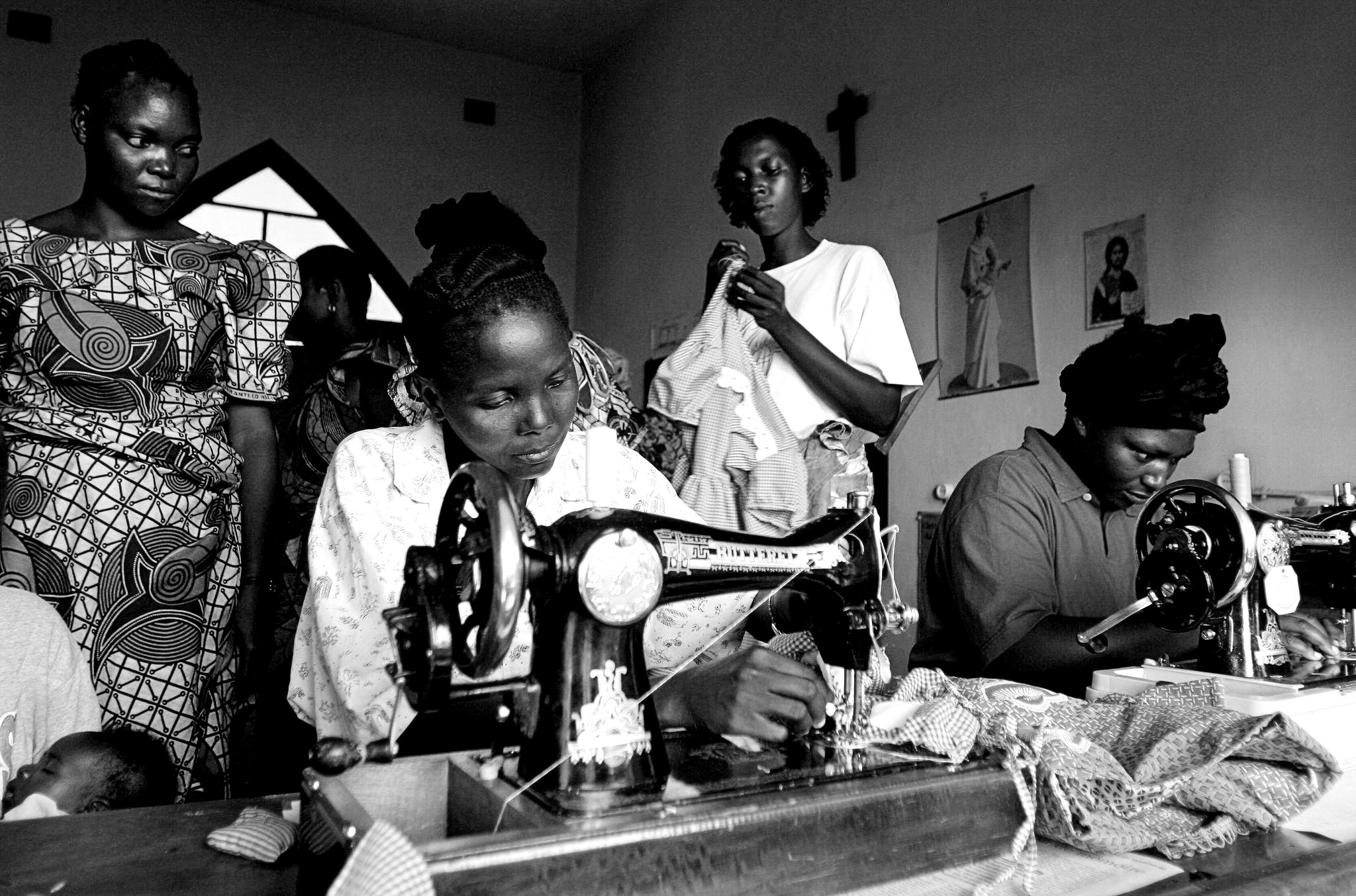
In the eastern city of Bukavu, a growing environmental challenge is being reshaped into an economic opportunity, as women-led initiatives turn textile waste into fashion, art, and sustainable livelihoods. What was once discarded fabric is now becoming a driver of local employment and environmental recovery.
A grassroots response to rising waste
Textile waste has become a visible and persistent issue in Bukavu, where second-hand clothing imports and local consumption generate large volumes of discarded fabric. With limited formal recycling infrastructure, much of this waste ends up in landfills or is burned, contributing to pollution and health risks.
Against this backdrop, a local entrepreneur has mobilised a team of women to collect, sort, and repurpose textile waste into new products. The initiative reflects a broader shift towards circular economy practices in parts of Democratic Republic of the Congo, where resource constraints are driving innovation at the community level.


Turning fabric into fashion and art
The collected textiles are transformed into a wide range of products, including clothing, accessories, and decorative items. By combining traditional craftsmanship with modern design, the team is creating goods that appeal to both local consumers and potential export markets.
Each piece carries both economic and environmental value—reducing waste while generating income. The initiative also helps preserve artisanal skills, which are often passed down through generations but face decline in the absence of sustainable demand.
Empowering women through enterprise
At the core of the project is a strong social dimension. The initiative provides employment and training opportunities for women, many of whom previously had limited access to formal income.
Participants gain skills in tailoring, design, and small-business management, enabling them to build independent livelihoods. This model not only supports household incomes but also strengthens community resilience by creating local economic networks.
Environmental impact gains attention
By diverting textile waste from landfills and open burning, the project contributes to reducing environmental degradation in Bukavu. While small in scale relative to the total volume of waste, such initiatives demonstrate the potential of decentralised solutions to address urban environmental challenges.
The approach aligns with global sustainability trends, where upcycling and reuse are increasingly recognised as practical strategies for reducing the environmental footprint of the fashion industry.
Challenges remain for scaling
Despite its success, the initiative faces constraints, including limited access to financing, equipment, and broader market channels. Scaling production while maintaining quality and sustainability standards remains a key challenge.
Support from local authorities, non-governmental organisations, and international partners could help expand the model, enabling similar projects to emerge in other parts of the country.
Outlook: local innovation with global relevance
The transformation of textile waste into economic opportunity in Bukavu highlights the role of grassroots innovation in addressing complex development challenges. As sustainability becomes a global priority, such locally driven solutions are gaining increasing relevance.
For the Democratic Republic of the Congo and beyond, initiatives like this illustrate how environmental challenges can be reframed as engines of growth—turning waste into value while empowering communities.
Newshub Editorial in Africa – April 15, 2026

If you have an account with ChatGPT you get deeper explanations,
background and context related to what you are reading.
Open an account:
Open an accountIn the eastern city of Bukavu, a growing environmental challenge is being reshaped into an economic opportunity, as women-led initiatives turn textile waste into fashion, art, and sustainable livelihoods. What was once discarded fabric is now becoming a driver of local employment and environmental recovery.
Recent Comments